

Have you ever wondered when those vibrant persimmons will grace your backyard? If you’re looking to enjoy the sweet, honey-like flavor of this unique fruit, knowing the right time to harvest is key.
Key Takeaways
- Harvest Timing: Persimmon trees typically bear fruit in the fall, with American varieties ripening from September to November and Asian varieties from August to October, depending on local climate conditions.
- Tree Requirements: These trees flourish in warm climates with full sun exposure and well-drained, loamy soil with a pH between 6.0 and 7.5 to ensure optimal fruit production.
- Maturity Matters: Young persimmon trees may take 3 to 5 years to mature before they start producing fruit, impacting the timing of your harvest.
- Signs of Ripeness: Ripe persimmons are usually a vibrant yellow-orange color and feel slightly soft to the touch. Look for specific varieties, like Fuyu and Hachiya, for different ripeness indicators.
- Best Harvest Practices: Harvest persimmons in the early morning using clean scissors, cut the fruit with a small stem attached, and store them in breathable containers in a cool, shaded area to preserve freshness.
Overview of Persimmon Trees
Persimmon trees thrive in warm climates and offer stunning fall foliage. You can find two main types: American persimmons (Diospyros virginiana) and Asian persimmons (Diospyros kaki). Both produce sweet, flavorful fruits.
Growth Cycle
Persimmon trees grow quickly, reaching heights of 20 to 30 feet. You can plant them in well-drained soil with full sun exposure. They typically bloom in late spring, with flowers appearing in May or June. Pollination occurs mostly through wind and insects.
Fruit Development
Fruit sets begin in summer. By late summer to early fall, you’ll notice persimmons developing on the branches. The fruits change in color as they ripen, ranging from green to yellow-orange.
Harvesting Time
You can expect to start harvesting persimmons in the fall. In many regions, fruit ripens from September to November. Timing depends on your local climate and the specific variety. Persimmons are best picked when they soften. You can also wait until a light frost enhances the flavor.
Care Tips
Maintain your persimmon trees by watering them regularly and providing ample mulch for moisture retention. Prune annually to promote air circulation. Watch for pests, but most persimmon varieties resist common insects.
Consider planting both male and female trees for better fruit set if choosing the American variety. This ensures optimal pollination and a bountiful harvest.
Growing Conditions for Persimmons
Persimmons thrive in specific conditions that promote healthy growth and fruit production. Understanding these needs helps ensure a bountiful harvest.
Recommended Products
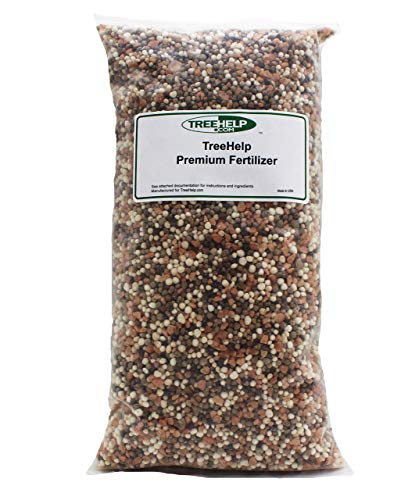
Not Available for Sell in WA, USA

OMRI Listed - Cz Dolomite Lime is an All-Natural mineral fertilizer listed by the Organic Materials Review Institute (OMRI). It may be used in certified organic production or food processing and handling according to the USDA National Organic Program regulations. (OMRI Certified 2024)

FOR USE ON: For all Acid-loving plants; Use Espoma Organic Soil Acidifier for azaleas, hydrangeas, rhododendrons, blueberries, evergreens, strawberries, camellias, and all plants that thrive in acidic soils.
Climate Requirements
Warm climates support persimmon trees. They prefer regions with full sun exposure and mild winters. Ideal temperatures range from 70°F to 85°F during the growing season. Trees tolerate temperatures down to 10°F, but extreme cold can damage buds. Asian persimmons favor subtropical zones, while American varieties adapt well to varying climates. Locations with distinct seasons help with proper blooming and fruit set, enhancing the overall quality of the fruits.
Soil Preferences
Well-draining soil significantly benefits persimmons. Loamy soil, rich in organic matter, provides excellent drainage and nutrient retention. A soil pH between 6.0 and 7.5 is ideal. Avoid heavy clay soils, which retain moisture and can cause root rot. To improve soil quality, consider amending with compost or aged manure before planting. Regular mulching can also help maintain moisture levels while preventing weeds. Test the soil before planting to determine nutrient status and pH, ensuring optimal growing conditions.
What Time of Year Do Persimmon Trees Bear Fruit?
Persimmon trees typically bear fruit in the fall months. Understanding their seasonal timeline helps in planning your harvest for peak flavor and quality.
Recommended Products

Made for Lemon & Citrus Trees – Formulated to support healthy growth in lemon and citrus plants.
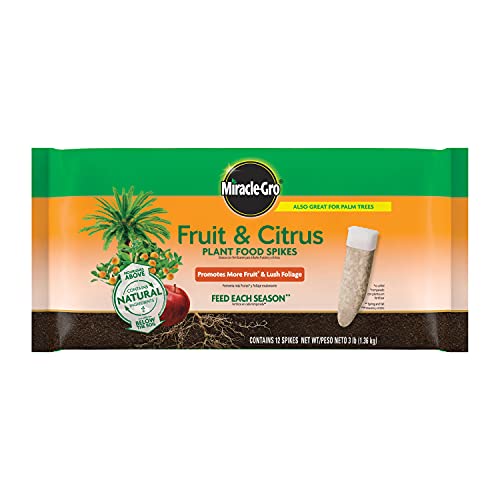
FORMULATED FOR CITRUS AND FRUIT TREES: Use these citrus fertilizer spikes on apple, orange, lemon, lime, and avocado trees; this formula is also great for feeding palm trees

Package contains 4 Pounds organic fruit and citrus fertilizer grains and is produced to avoid wasteful runoff, mess, hazards and smells
Seasonal Variations
Persimmons generally ripen from late summer into early fall. For American persimmons, which thrive in the East, harvesting occurs from September to November. In contrast, Asian persimmons, popular in warmer regions, typically ripen a bit earlier, around August to October. Seasonal weather variations can influence this timeline, who might experience earlier or later fruit ripening depending on local climate conditions.
Factors Affecting Fruiting Time
Several factors can affect when persimmon trees bear fruit:
- Tree Maturity: Younger trees may not produce fruit until they reach maturity, generally 3 to 5 years after planting.
- Variety: Different species, such as American and Asian persimmons, exhibit different ripening periods.
- Climate: A warmer climate can lead to earlier fruit development, while cooler temperatures may delay it.
- Pollination: The presence of both male and female trees can enhance fruit set in American persimmons. Pollination can affect the number of fruits and their ripening timing.
- Caring Practices: Proper watering and fertilizing can promote healthy growth and timely fruiting.
By keeping these variations and factors in mind, you can better anticipate your persimmon harvest, ensuring you enjoy their delicious, sweet flavor at its best.
Harvesting Persimmons
Harvesting persimmons requires attention to signs of ripeness and following best practices for picking. Understanding these elements ensures you enjoy the fruit at its sweetest.
Recommended Products

Reduce Hand Strain: These micro tip snips are made to reduces hand fatigue which makes them great for those with arthritis, carpal tunnel, hand or wrist issues; Comfortable “grip” handles will make it easy to work for long-time use without making you feel hand pain
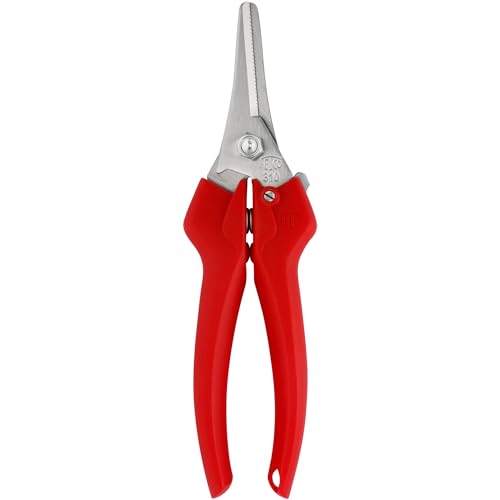

Ultra Sharp Blades: This straight pruning Shear come with stainless steel precision-sharpened blades,which makes quick, precise cuts when deadheading, trimming, and shaping small plants.
Signs of Ripeness
Look for specific indicators to determine when persimmons are ripe. Ripe persimmons typically exhibit a vibrant yellow-orange color. The skin often feels slightly soft to the touch. A few examples of ripe varieties include:
- Fuyu – Firm and bright orange when ready.
- Hachiya – Soft and plump, signaling sweetness.
Check for a slight give when pressed gently. If the fruit feels too hard, it’s not ready. Additionally, persimmons may develop darker spots, indicating they’re approaching perfect ripeness.
Best Practices for Harvesting
Follow these best practices to harvest persimmons effectively.
- Timing – Harvest in the early morning when fruits are cool and firm.
- Tools – Use clean, sharp scissors or pruning shears to avoid damaging the tree or fruit.
- Technique – Cut the fruit from the stem, leaving a small part of the stem attached to the fruit. This minimizes bruising.
- Storage – Handle fruits gently and place them in breathable containers. Store them in a cool, shaded area. This helps prolong freshness.
These practices help ensure you maximize the flavor and quality of your persimmons at harvest time.
Conclusion
Knowing when to harvest persimmons can make all the difference in enjoying their delicious flavor. By paying attention to the seasonal cues and understanding the specific needs of your persimmon trees, you can ensure a bountiful harvest.
Whether you’re growing American or Asian varieties, the joy of picking ripe, sweet persimmons in the fall is truly rewarding. With a bit of care and patience, you’ll be able to savor these unique fruits at their best. So get ready to enjoy the fruits of your labor and delight in the taste of homegrown persimmons!
Frequently Asked Questions
When is the best time to harvest persimmons?
Harvest persimmons in the fall when the fruit has softened and turned a vibrant yellow-orange color. Typically, American persimmons ripen from September to November, while Asian varieties ripen from August to October. Picking after a light frost can enhance sweetness.
What are the two main types of persimmons?
The two main types of persimmons are American persimmons (Diospyros virginiana) and Asian persimmons (Diospyros kaki). Both are known for their sweet, flavorful fruits and thrive in warm climates, but they can differ in ripening times and flavor profiles.
What growing conditions do persimmons prefer?
Persimmons thrive in warm climates with full sun exposure and mild winters. They prefer well-draining, loamy soil with a pH between 6.0 and 7.5. Ensure the soil is amended with compost or aged manure for optimal growth and avoid heavy clay soils.
How can I tell if my persimmons are ripe?
Ripe persimmons will have a vibrant yellow-orange color and a slightly soft texture. Each variety has specific indicators; for instance, Fuyu persimmons are best eaten when firm, while Hachiya persimmons should be very soft.
What care do persimmon trees need?
Proper care for persimmon trees includes regular watering, mulching, and annual pruning. It’s also important to manage pests and consider planting both male and female trees for the American variety to ensure optimal fruit set.
How does pollination affect fruiting in persimmons?
Pollination plays a crucial role in the fruit development of persimmons. Factors like tree maturity, variety, and care practices can influence the timing and success of fruiting, so ensuring effective pollination is essential for healthy fruit production.
