
Close Menu
    Fruit Tree Hub
    • Home
    • Apple Trees
    • Lemon Trees
    • Mango Trees
    • Orange Trees
    • More Trees
      • Best Fruit Trees
      • Apricot Trees
      • Cherry Trees
      • Fig Trees
      • Lime Trees
      • Mulberry Trees
      • Peach Trees
      • Pear Trees
      • Plum Trees
      • Pomegranate Trees
    • Tips and Advice
      • Tools
    • About Us
      • Contact
      • Privacy Policy
    Fruit Tree Hub
    Home»Tips and Advice»Do Fruit Trees Attract Flies and How to Manage Them for a Healthier Harvest
    Tips and Advice

    Do Fruit Trees Attract Flies and How to Manage Them for a Healthier Harvest

    Martha JacksonBy Martha JacksonJanuary 23, 20258 Mins Read
    Share Facebook Twitter Pinterest WhatsApp Email
    Share
    Facebook Twitter LinkedIn Pinterest Telegram Email

    Have you ever noticed a swarm of flies buzzing around your fruit trees? You’re not alone. Many gardeners face this pesky problem, especially during harvest season. It can be frustrating to see your hard work overshadowed by these unwanted visitors.

    Contents show
    1 Key Takeaways
    2 Overview of Fruit Trees and Insects
    2.1 Fruit Flies
    2.2 Wasps
    2.3 Bees
    2.4 Managing Insect Presence
    3 Types of Flies That Are Attracted to Fruit Trees
    3.1 Fruit Flies
    3.2 Other Common Flies
    4 Factors That Influence Attraction
    4.1 Ripeness of Fruit
    4.2 Environmental Conditions
    5 Methods to Manage Fly Populations
    5.1 Organic Solutions
    6 Conclusion
    7 Frequently Asked Questions
    7.1 What attracts flies to fruit trees?
    7.2 How can I prevent flies from swarming my fruit trees?
    7.3 What types of flies are attracted to fruit trees?
    7.4 How do I identify fruit flies?
    7.5 What natural solutions can I use to manage flies?
    7.6 Is using pesticides safe for fruit trees?

    Key Takeaways

    • Fruit Trees Attract Insects: Fruit trees naturally draw various insects, including fruit flies, wasps, and bees, especially during blooming and harvest seasons.
    • Fruit Fly Management: Regularly harvest ripe fruit and remove any decayed or fallen pieces to limit fruit fly attraction, as they prefer overripe fruit for laying eggs.
    • Wasp Prevention: Cover ripe fruits with nets and utilize traps to deter wasps, which are attracted to the sugar content in ripe fruits.
    • Bees’ Role: Bees are beneficial for pollination; encourage their presence by avoiding harmful pesticides and providing bee-friendly habitats.
    • Environmental Impact: Warm temperatures and humidity exacerbate fly infestations; maintaining clean surroundings and good airflow around fruit trees is crucial for management.
    • Effective Solutions: Implement homemade traps, promote companion planting, and consider using organic pesticides like neem oil to control fly populations effectively.

    Overview of Fruit Trees and Insects

    Fruit trees play a vital role in attracting various insects, including flies. During the blooming and harvesting periods, trees like apple, peach, and cherry release scents that draw insects seeking food and mates. Common insects associated with fruit trees include fruit flies, wasps, and bees.

    Fruit Flies

    Fruit flies are particularly notorious around fruit trees. They lay eggs on overripe or damaged fruit, leading to infestations. They thrive in warm climates during the late spring and summer months. To minimize attraction, harvest fruit regularly and remove any rotting or fallen pieces.

    MUST READ
    How Many Years Mango Tree Bear Fruit: Essential Tips for Successful Growing and Care

    Wasps

    Wasps, attracted to the sugar content in ripe fruits, can become a nuisance. They generally appear late summer when fruit trees bear their bounty. Prevent wasp swarms by covering ripe fruits with nets and using traps to catch wandering wasps.

    Bees

    Bees play a crucial role in pollination, benefiting fruit trees while also being attracted to their blossoms. Providing bee-friendly habitats, such as wildflowers, encourages healthy pollinator activity. Avoid using harmful pesticides that can disrupt their population and impact fruit production.

    Managing Insect Presence

    Managing insect presence involves several strategies:

    • Regular Harvesting: Pick fruits as soon as they ripen. This reduces the likelihood of flies and wasps being drawn to your trees.
    • Clean Up Fallen Fruit: Regularly clear any fallen or damaged fruit to deter flies from laying eggs nearby.
    • Use Traps: Employ fruit fly traps or wasp traps to capture insects before they become a problem.

    By implementing these practices, you create a healthier environment for your fruit trees while minimizing the attraction of unwanted insects.

    Types of Flies That Are Attracted to Fruit Trees

    Fruit trees attract several types of flies, especially during the flowering and harvesting seasons. Understanding these flies helps you manage their presence effectively.

    Recommended Products

    Aunt Fannie's FlyPunch Fruit Fly Trap, Indoor Kitchen Use, 6 oz, Pack of 1
    Aunt Fannie's FlyPunch Fruit Fly Trap, Indoor Kitchen Use, 6 oz, Pack of 1

    Fast Acting & Long Lasting: Our formula is designed to bait & rid your home of fruit fly infestations fast; the powerful attractant lures fruit flies in as soon as the top is open; Lasts up to 30 days

    VIEW LATEST PRICE

    As an affiliate, we earn on qualifying purchases.

    TERRO Fruit Fly Trap 4-Pack, 180 Day Lure Supply, Food-Based Lure
    TERRO Fruit Fly Trap 4-Pack, 180 Day Lure Supply, Food-Based Lure

    COMPREHENSIVE COVERAGE: 4-pack of TERRO fruit fly traps for indoors with 180 days of lure supply provides comprehensive pest control coverage for your home's fruit fly infestations

    VIEW LATEST PRICE

    As an affiliate, we earn on qualifying purchases.

    TERRO Fruit Fly Trap Refills, 4 Pack Liquid Bait Replacement for Home
    TERRO Fruit Fly Trap Refills, 4 Pack Liquid Bait Replacement for Home

    4 PACK OF REFILLS: Use this 4-pack of liquid lure refills designed specifically for TERRO fruit fly traps, as the bait formula helps to provide continuous protection against fruit flies and gnats in your home for up to 180 days (45 days per refill)

    MUST READ
    How to Get Olive Tree to Fruit: Essential Tips for Successful Harvests and Healthy Growth
    VIEW LATEST PRICE

    As an affiliate, we earn on qualifying purchases.

    Fruit Flies

    Fruit flies, particularly the Drosophila melanogaster, are highly attracted to ripe and overripe fruit. They lay their eggs on fermenting or spoiled fruit, which can lead to infestations quickly. You might notice them hovering around your fruit bowl or buzzing near your trees. To minimize fruit fly attraction, harvest fruit promptly and inspect for damage regularly. Using traps baited with vinegar can also help reduce their numbers.

    Other Common Flies

    Other common flies that frequent fruit trees include:

    • House Flies: Drawn to decaying fruit and organic matter, house flies can be a nuisance. They breed rapidly in warm weather.
    • Horn Flies: These are more common near livestock but can still appear in areas with decaying plant material, including fallen fruit.
    • Mediterranean Fruit Flies: These pests target a wide range of fruit and can cause significant damage. They thrive in warmer climates and require localized control strategies.

    For effective management of these flies, maintain cleanliness around your fruit trees, promptly remove fallen fruit, and consider targeted traps to keep populations in check.

    Factors That Influence Attraction

    Several factors influence the attraction of flies to fruit trees. Understanding these can help you manage their presence effectively.

    Recommended Products

    Catchmaster Tree Shield Lantern Fly & Ant Traps Insect Barrier, 4 Rolls 30ft Each, Outdoor Adhesive Crawling Insect Trap to Protect Trees, Fruit & Plants, Pest Control Lawn & Garden
    Catchmaster Tree Shield Lantern Fly & Ant Traps Insect Barrier, 4 Rolls 30ft Each, Outdoor Adhesive Crawling Insect Trap to Protect Trees, Fruit & Plants, Pest Control Lawn & Garden

    IMPRESSIVE TREE COVERAGE: Catchmaster's Tree Shield Insect Barrier is a heavy-duty crawling and flying insect trap. The tree shield measures 30 feet long, allowing you to protect more of your trees in less time. The 30-foot rolls can be easily cut to adapt to different tree and plant sizes throughout your property

    VIEW LATEST PRICE

    As an affiliate, we earn on qualifying purchases.

    Zevo Flying Insect Trap for Fruit Flies & Gnats, 1 Plug-in Base & 1 Refills
    Zevo Flying Insect Trap for Fruit Flies & Gnats, 1 Plug-in Base & 1 Refills

    Catch Flying Insects 24/7: This plug-in flying insect trap uses blue & UV light to attract and catch house flies, fruit flies, gnats, and flying pests. Its continuous attraction helps catch insects day and night for everyday indoor flying pest control.

    MUST READ
    Are There Jelly Fruits at Dollar Tree: Discover Flavors, Availability, and Nostalgic Treats
    VIEW LATEST PRICE

    As an affiliate, we earn on qualifying purchases.

    Super Ninja Fruit Fly Traps for Indoors, 4 Pack
    Super Ninja Fruit Fly Traps for Indoors, 4 Pack

    Highly Effective & Reliable Fruit Fly Catcher: This fruit fly trap is expertly engineered to stop fruit flies where they hover most—kitchen counters, trash bins, and near fruit. See results in just 24 hours!

    VIEW LATEST PRICE

    As an affiliate, we earn on qualifying purchases.

    Ripeness of Fruit

    Ripe and overripe fruit significantly attracts flies. Fruit flies, especially Drosophila melanogaster, thrive on the sugars found in ripe fruit. They tend to lay eggs on damaged or overripened fruits, leading to infestations if left unharvested. It’s essential to check your trees regularly. Harvest fruit promptly to reduce the chance of attracting these pests. You might also consider thinning fruit on trees to ensure optimal maturity and faster harvesting.

    Environmental Conditions

    Environmental conditions also play a crucial role in attracting flies. Warm temperatures and humidity create ideal breeding grounds for various fly species. Flies need moisture to thrive, so keep an eye on watering practices around your trees. Ensure good airflow through your garden. Prune trees to allow sunlight and air circulation, which can deter flies by keeping the fruit and foliage dry. Reducing stagnant water around your garden can help minimize fly populations, too.

    Methods to Manage Fly Populations

    Managing fly populations around your fruit trees is essential for maintaining a healthy fruit harvest. Implementing effective strategies can greatly reduce fly attraction and minimize infestations.

    Recommended Products

    Aunt Fannie's FlyPunch Fruit Fly Trap, Indoor Kitchen Use, 6 oz, Pack of 2
    Aunt Fannie's FlyPunch Fruit Fly Trap, Indoor Kitchen Use, 6 oz, Pack of 2

    Fast Acting & Long Lasting: Our formula is designed to bait & rid your home of fruit fly infestations fast; the powerful attractant lures fruit flies in as soon as the top is open; Lasts up to 30 days

    VIEW LATEST PRICE

    As an affiliate, we earn on qualifying purchases.

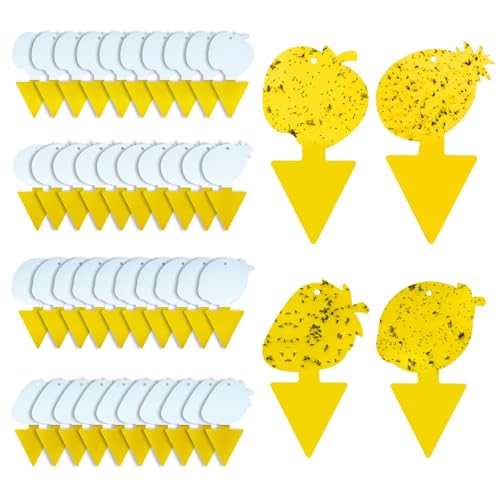
    TERRO Fruit Fly Trap, 6-Pack Indoor Fly Traps with 270 Days Lure Supply
    TERRO Fruit Fly Trap, 6-Pack Indoor Fly Traps with 270 Days Lure Supply

    COMPREHENSIVE COVERAGE: 6-pack of TERRO fruit fly traps for indoors with 270 days of lure supply provides comprehensive pest control coverage for your home's fruit fly infestations
    MUST READ
    What Fruit Trees Can You Grow in a Pot for Thriving Container Gardening Success
    VIEW LATEST PRICE

    As an affiliate, we earn on qualifying purchases.

    RSVP Reusable Ceramic Fruit Fly Trap for Indoors – Kitchen Fly Catcher Jar with Stainless Steel Vent Lid, Eco-Friendly & Dishwasher Safe Design, Uses Natural Vinegar Bait (Black)
    RSVP Reusable Ceramic Fruit Fly Trap for Indoors – Kitchen Fly Catcher Jar with Stainless Steel Vent Lid, Eco-Friendly & Dishwasher Safe Design, Uses Natural Vinegar Bait (Black)

    Fill the ceramic cup with an apple cider vinegar mixture and place perforated stainless steel lid on top

    VIEW LATEST PRICE

    As an affiliate, we earn on qualifying purchases.

    Organic Solutions

    • Regular Monitoring: Check your trees often. Look for ripe and overripe fruit, as these attract flies. Promptly harvest all ripe fruit to reduce fly opportunities.
    • Clean Surroundings: Keep the area around your trees clean. Remove fallen fruit and debris where flies can breed.
    • Homemade Traps: Create traps using apple cider vinegar. Fill a jar with vinegar, cover it with plastic wrap, and poke small holes in the top. Flies get in but can’t escape.
    • Companion Planting: Consider planting herbs like basil or mint nearby. These can help repel flies while attracting beneficial insects that prey on them.
    • Neem Oil: Apply neem oil, a natural pesticide. It disrupts the growth of flies and can prevent infestations when sprayed on trees and affected areas.
    • Insecticidal Soaps: Use insecticidal soap directly on infested areas. It effectively kills soft-bodied insects like fruit flies without harming beneficial insects when used correctly.
    • Pesticide Options: Choose targeted pesticides labeled for fruit trees. Check the label for flying insects and application guidelines to ensure safety and effectiveness.
    • Bait Stations: Consider using commercial fly traps that contain chemical attractants. These traps lure flies in and reduce their populations around your trees.
    • Applying Granules: Use insecticides in granule form around the base of the trees. Follow manufacturer instructions carefully to prevent harming non-target organisms.

    Implementing these methods can significantly reduce flies around your fruit trees, helping you enjoy a more bountiful harvest.

    Conclusion

    Managing flies around your fruit trees doesn’t have to be a daunting task. By staying proactive and implementing simple strategies you can keep those pesky insects at bay. Regularly checking your trees and promptly harvesting ripe fruit will make a big difference.

    MUST READ
    What Fruit Tree Has Pink Blooms: A Guide to Gorgeous Blossoming Trees for Your Garden

    Cleaning up fallen fruit and maintaining a tidy garden environment will help deter fly populations. Remember that a little effort goes a long way in creating a healthier space for your trees. With the right approach you’ll not only reduce fly attraction but also enjoy a more fruitful harvest. Happy gardening!

    Frequently Asked Questions

    What attracts flies to fruit trees?

    Flies are primarily attracted to fruit trees due to the scent of ripe or overripe fruits. The sugars and moisture from these fruits draw pests like fruit flies, wasps, and even bees. Environmental factors like warm temperatures and humidity further enhance this attraction, making cleanliness and prompt harvesting crucial for managing flies.

    How can I prevent flies from swarming my fruit trees?

    To prevent flies, regularly harvest ripe fruit, promptly remove any fallen fruit, and maintain cleanliness around your trees. Additionally, using traps such as apple cider vinegar or neem oil can help control fly populations effectively. Implementing good airflow and reducing stagnant water around your garden are also recommended.

    What types of flies are attracted to fruit trees?

    Common flies attracted to fruit trees include fruit flies, house flies, horn flies, and Mediterranean fruit flies. Each type has unique behaviors and management strategies, but they are predominantly drawn to ripe and overripe fruits due to the sugars present.

    How do I identify fruit flies?

    Fruit flies, particularly Drosophila melanogaster, are small brownish insects about 1/8 inch long with red eyes. They are often found around overripe or damaged fruit. If you notice small flies swarming near your fruit trees, they are likely fruit flies.

    What natural solutions can I use to manage flies?

    Use organic solutions like homemade traps using apple cider vinegar, companion planting herbs like basil or mint, and applying neem oil. These methods, in combination with regular cleaning and monitoring, can effectively reduce fly populations around your fruit trees.

    Is using pesticides safe for fruit trees?

    Using insecticidal soaps, targeted pesticides, and bait stations can be effective for controlling flies, but it’s essential to follow application guidelines to ensure safety. Opt for products labeled safe for fruit trees and whenever possible, choose organic options to minimize chemical exposure.

    Share. Facebook Twitter Pinterest LinkedIn Tumblr Email
    martha jackson
    Martha Jackson

      Martha Jackson is an accomplished freelance writer and editor with a strong interest in gardening. With a degree in English from the University of California, Berkeley, Martha has over 15 years of experience writing for a variety of publications. She is passionate about making gardening accessible to all and is always seeking out new techniques and innovations.

      Related Posts

      How Long Until Avocado Trees Bear Fruit and Tips for Faster Growth at Home

      February 20, 2025

      What Yellow Fruit Grows on Trees and Their Delicious Health Benefits

      February 20, 2025

      How to Air Layer Fruit Trees: A Step-by-Step Guide for Successful Propagation

      February 20, 2025

      When Do Grapefruit Trees Produce Fruit and How to Maximize Your Harvest

      February 20, 2025

      What Is a Fast Growing Fruit Tree: Discover Quick-Yield Options for Your Garden

      February 20, 2025

      Do Cherry Blossom Trees Have Fruit? Discover the Truth About Their Edibility and Benefits

      February 20, 2025
      Leave A Reply Cancel Reply

      Affiliate Disclosure

      As an Amazon Associate I earn from qualifying purchases.

      Recommended Reading

      Growing Star Fruit Trees in a Pot in Pennsylvania (Pro Tips)

      Peach Trees in a Pot in Vermont (Winter Protection Strategies)

      How to Grow Miracle Fruit Tree: Essential Tips for Thriving Plants and Sweet Berries

      What to Do with Grapes with Seeds: Creative Uses Beyond Snacking

      Is Olive Wood Good for Crafting

      How to Encourage Lemon Tree to Fruit: Expert Tips for a Bountiful Harvest

      Nectarine Trees in a Pot in New Mexico (High Desert Potted Growth)

      Can Lemon Trees Grow in Laredo, TX? South Texas Growth Tips

      Plum Trees in Georgia: Peach State Success and Soil Tips

      Pear Trees in a Pot in North Dakota (Cold Survival Strategies)

      Fruit Tree Hub

      Fruit Tree Hub is a website dedicated to providing you everything you need to grow fruit trees successfully at in your own yard.

      Contact us at: [email protected]

      - AFFILIATE DISCLOSURE: As an Amazon Associate I earn from qualifying purchases.

      Latest Posts

      21 Colorful Halloween Crochet Motifs Featuring Pumpkins Bats and Black Cats

      23 Smart Halloween Crochet Ideas to Sell as Keychains and Coasters

      22 Fun Halloween Crochet Ideas Built Around Treat Bags and Hats

      23 Adorable Halloween Amigurumi Ideas Featuring Ghosts and Black Cats

      22 Compact Halloween Crochet Decorations for Shelves and Small Spaces

      19 Practical Halloween Crochet Decorations Designed for Tabletop Displays

      24 Cozy Halloween Crochet Decor Ideas Built Around Mantel Garlands

      19 Playful Kawaii Halloween Crochet Ideas Featuring Smiling Spooky Characters

      Categories
      • Almond Trees
      • Apple Trees
      • Apricot Trees
      • Best Fruit Trees
      • Blackberry
      • Cantaloupe
      • Cherry Trees
      • Crochet Ideas
      • Crochet Ideas for Beginners
      • Cucamelon
      • Easy Crochet Ideas
      • Easy Knitting Projects
      • Fall Crochet Ideas
      • Fig Trees
      • Grapefruit Trees
      • Grapes
      • Guava Trees
      • Halloween Crochet Ideas
      • Honeydew
      • Jujube Trees
      • Kiwi
      • Knitting For Beginners
      • Knitting Ideas
      • Knitting Inspiration
      • Lemon Trees
      • Lime Trees
      • Loquat Trees
      • Mango Trees
      • Mulberry Trees
      • Nectarine Trees
      • Olive Trees
      • Orange Trees
      • Papaya Trees
      • Peach Trees
      • Pear Trees
      • Persimmon Trees
      • Planting
      • Plum Trees
      • Pomegranate Trees
      • Quince Trees
      • Raspberry
      • Reviews
      • Small Crochet Ideas
      • Star Fruit Trees
      • Summer Crochet Ideas
      • Tamarind Trees
      • Tangerine Trees
      • Tips and Advice
      • Tools
      • Uncategorized
      • Walnut Trees
      © 2026 Fruit Tree Hub
      • Home
      • About Us
      • Contact
      • Privacy Policy
      • Terms and Conditions
      • Disclaimer
      • Editorial Policy
      • Affiliate Disclosure

      Type above and press Enter to search. Press Esc to cancel.