

Ever wondered why your olive tree isn’t producing fruit? You’re not alone. Many gardeners face this frustrating issue, especially when they’ve put in the effort to nurture their trees. It can feel disheartening to watch your tree grow lush and green without those delicious olives to show for it.
Key Takeaways
- Understanding Olive Trees: Familiarize yourself with different varieties, their pollination needs, and suitable climates to maximize fruit production.
- Optimal Growing Conditions: Ensure the right climate (60-80°F) and well-draining soil (pH 6-8) to create an ideal environment for olive trees to thrive.
- Effective Watering and Nutrition: Water deeply but infrequently, and use balanced fertilizers rich in potassium to support healthy growth and fruiting.
- Sunlight & Spacing: Ensure your trees receive at least 6-8 hours of direct sunlight daily and maintain proper spacing (15-20 feet apart) for airflow and disease prevention.
- Regular Pruning: Prune annually in late winter or early spring to improve air circulation, promote healthy growth, and encourage fruiting.
- Manage Pests and Diseases: Regularly inspect for common threats like olive fruit flies and fungal infections, and implement organic pest control methods to maintain tree health.
Understanding Olive Trees
Olive trees thrive in specific conditions. Understanding their needs helps in producing fruit.
Tree Varieties
- Common Types: Learn about the two main types of olive trees, the European and the California varieties. European types, such as ‘Arbequina’ and ‘Koroneiki’, produce high-quality oil. California varieties, like ‘Manzanilla’, maintain hardiness and adaptability.
- Pollination Needs: Some trees need cross-pollination. Consider planting different varieties nearby to enhance fruit yield.
Growing Conditions
- Climate: Olive trees prefer Mediterranean climates. Temperatures between 60-80°F support optimal growth. If temperatures drop below 15°F, protect your trees during winter.
- Soil Type: Well-draining soil is crucial. Use sandy or loamy soil with a pH around 6-8 for best results. Amend heavy clay soil with organic matter to improve drainage.
Watering and Nutrition
- Irrigation: Water deeply and infrequently. This encourages deep root growth. Use drip irrigation to maintain consistent soil moisture without overwatering.
- Fertilization: Apply a balanced fertilizer in early spring. Look for a product high in potassium to promote fruit development. Follow package instructions for application rates.
Sunlight Requirements
- Light Levels: Ensure your olive trees receive full sun. Aim for at least 6-8 hours of direct sunlight daily. This enhances photosynthesis and fruit production.
- Spacing: Space trees 15-20 feet apart. Proper spacing improves airflow and reduces disease risk, providing ample light for each tree.
Pruning Techniques
- Regular Pruning: Prune olive trees annually to encourage growth and manage size. Focus on removing dead or crowded branches to improve air circulation.
- Timing: Prune in late winter or early spring before new growth begins. This enables the tree to direct energy toward fruit production.
- Common Pests: Look out for olive fruit flies and scale insects. Use organic pest control methods, like neem oil or insecticidal soap, to manage infestations.
- Disease Prevention: Fungal diseases can harm trees. Ensure good airflow and avoid overhead watering to prevent moisture buildup, which promotes disease.
Understanding these factors enhances your ability to cultivate olive trees that produce fruit. Make adjustments as necessary based on your specific growing conditions.
Factors Influencing Olive Tree Fruiting
Understanding the factors that influence olive tree fruiting can significantly improve your chances of a bountiful harvest. Key elements like climate, soil, and tree care directly affect fruit production. Below are some vital considerations.
Recommended Products

Kindly NOTE: This soil tester can not be applied to test pH value of any other liquid. If the soil is too dry the indicator will not move, and water it before testing.

KNOW BEFORE YOU GROW | Grow the healthiest, sustainable lawn and garden with the most accurate and easy to use professional soil test kit on the market

Accurate Soil pH Testing: Dewildetradingco Soil pH Test Strips offer measurements of soil pH levels (pH 3.5-9). As an essential tool for every gardener and grower, these test strips help determine the optimal pH for various plants, such as outdoor plants, indoor plants, gardens, grass lawns, fruit trees, flowers, vegetables, and forest shrubs.
Climate and Weather Conditions
Climate plays a crucial role in olive fruiting. Olive trees thrive in Mediterranean climates characterized by hot, dry summers and mild, wet winters. They require:
- Minimum Temperature: Olive trees need a minimum average temperature of 60°F (15°C) during the growing season. Avoid areas with frequent frost.
- Sunlight: Full sun exposure, at least 6-8 hours daily, is critical. Increased sunlight promotes flowering and fruit development.
- Rainfall: Annual rainfall between 20-30 inches supports growth, but consider irrigation in drier spells. Ensure you do not overwater, as this can harm fruit production.
Soil Quality and Composition
Soil quality is vital for healthy olive trees. Olive trees favor well-draining, sandy or loamy soils rich in organic matter. Key soil factors include:
- pH Levels: Aim for a pH between 6.0 and 8.0. Test your soil regularly to ensure it remains in this optimal range.
- Drainage: Poorly draining soil leads to root rot, which stifles fruit production. Use raised beds or amend heavy soils with organic materials to enhance drainage.
- Nutrient Content: Regularly test soil nutrients. Apply balanced fertilizers high in potassium and nitrogen to support growth and fruiting. Adjust based on your tree’s specific needs.
By managing these factors effectively, you can enhance the fruiting potential of your olive trees, leading to a successful harvest.
Proper Care Techniques
Proper care significantly enhances the potential for your olive tree to produce fruit. Focus on key aspects such as watering, fertilization, and additional practices that boost growth.
Recommended Products

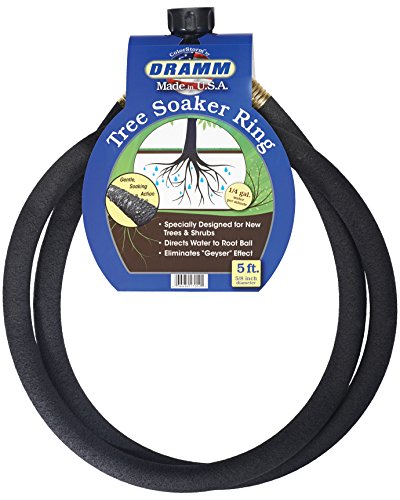
Slowly waters the soil around your plants for complete root zone hydration; Ideal for short runs on flat surfaces, such as vegetable gardens, borders, and around small plants

【Even & Consistent Root Watering】Features micro-pore seepage technology that distributes water evenly along the entire hose, transforming spot watering into uniform line watering directly to plant roots. Unlike traditional drip irrigation systems with clog-prone emitters, this soaker hose creates a continuous moisture band for healthier, deeper-rooted plants
Thoroughly waters using 90% less water than conventional watering
Watering and Irrigation
Water your olive tree deeply but infrequently to encourage a robust root system. Aim for one to two inches of water each week during the growing season. Adjust depending on rainfall and temperature. Use drip irrigation or soaker hoses to deliver consistent moisture at the root zone. Avoid overwatering, as olive trees prefer drier conditions. Soil should dry out between watering sessions, promoting healthy growth and fruit development.
Fertilization Practices
Fertilize your olive tree during the growing season with a balanced, slow-release fertilizer. Apply between late winter and early spring using a 10-10-10 or similar NPK ratio. Follow package instructions for dosage based on your tree’s size. In late summer, consider a low-nitrogen fertilizer to support fruiting without excessive vegetative growth. Regular soil testing helps determine nutrient needs. Adjust fertilization based on results to maintain optimal soil health, supporting future harvests.
By implementing these proper care techniques, you can create a conducive environment for your olive tree to thrive and produce fruit consistently.
Pruning and Maintenance
Proper pruning and regular maintenance play essential roles in encouraging olive trees to produce fruit. You can enhance growth, airflow, and light penetration through strategic pruning, which boosts your chances of a fruitful harvest.
Importance of Pruning
Pruning olive trees supports healthy growth and fruiting by removing dead or diseased wood. Healthy branches divert energy to productive ones, increasing overall yield. Pruning also ensures better air circulation, reducing the risk of fungal diseases. Additionally, it shapes the tree for easier access during harvesting and care.
- Timing the Prune: Prune your olive trees in late winter or early spring before new growth begins. This timing encourages strong growth and prepares the tree for fruitful production.
- Removing Dead or Damaged Wood: Cut away any dead, diseased, or damaged branches as they hinder growth. Focus on removing branches that cross or rub against each other.
- Shaping the Tree: Aim for an open center shape to allow sunlight to reach all parts of the tree. This structure also improves airflow and facilitates harvesting.
- Thinning Out Young Growth: Thin out excessive growth to encourage stronger fruiting branches. Keep about 8–10 main branches for optimal airflow and light penetration.
- Using Proper Tools: Use sharp, clean pruning shears or loppers to make clean cuts. Sterilize your tools before use to prevent spreading diseases.
- Avoiding Over-Pruning: Limit pruning to no more than 20% of the tree’s foliage in a single year. Over-pruning can stress the tree and reduce fruiting.
- Monitoring Tree Health: Regularly inspect your trees for signs of stress or disease. Address any issues promptly to maintain tree health and productivity.
By following these pruning practices, you create a more conducive environment for your olive trees to thrive and increase your chances of harvesting a bountiful crop.
Common Challenges in Fruiting
Many gardeners encounter obstacles when trying to get olive trees to produce fruit. Understanding the primary challenges helps you take effective action toward a fruitful harvest.
Pests and Diseases
Pests and diseases pose significant threats to olive tree health and fruit production. Common pests include:
- Olive Fruit Flies: These pests can damage olives by laying eggs inside them, leading to fruit drop.
- Scale Insects: These suck sap from the tree, weakening it and increasing vulnerability to diseases.
Proper management strategies include:
- Regular Inspections: Check your trees weekly for signs of pests or diseases.
- Organic Insecticides: Use neem oil or insecticidal soaps to combat infestations.
- Promote Beneficial Insects: Encourage ladybugs or lacewings, which feed on harmful pests.
For diseases, like fungal infections, practicing good hygiene and proper care is essential. Remove fallen leaves and debris, which harbor pathogens. Ensure good air circulation by proper spacing and pruning.
Environmental Stressors
Environmental stressors impact olive tree fruiting. Key stress factors to watch for include:
- Temperature Extremes: Olive trees thrive in temperatures between 60°F (15°C) and 100°F (38°C). Frost or extreme heat can hinder fruit set.
- Water Stress: Both overwatering and drought can cause fruit drop. Aim for consistent moisture, about 1-2 inches per week.
- Soil Quality: Poor soil can affect nutrient availability. Test soil for pH levels and amend with compost to enhance fertility.
Adopting mitigating practices can help you tackle these challenges. Use mulch to regulate soil temperature and moisture. Monitor weather forecasts to protect trees during extreme conditions, employing shade cloth or frost blankets as needed.
Conclusion
Getting your olive tree to bear fruit can feel like a challenge but with the right care and attention you can turn that frustration into a rewarding experience. By understanding your tree’s specific needs and creating the ideal growing environment you set the stage for a bountiful harvest.
Stay vigilant against pests and diseases while ensuring your tree receives proper pruning and nutrition. Remember that patience is key; olive trees can take time to mature and produce.
With dedication and the right practices you’ll soon enjoy the satisfaction of seeing your tree laden with delicious olives. Happy gardening!
Frequently Asked Questions
Why won’t my olive tree produce fruit?
Many factors can prevent olive trees from fruiting, including insufficient sunlight, poor soil quality, and lack of proper pollination. Additionally, environmental stressors and improper care techniques like inadequate watering or nutrition can also impact fruit production. Understanding the specific needs of your tree variety is essential.
What are the best growing conditions for olive trees?
Olive trees thrive in a Mediterranean climate with lots of sunlight, well-draining soil, and deep, infrequent watering. They prefer slightly alkaline to neutral soil. Ensuring proper spacing between trees and managing temperature extremes are also key to successful growth.
How can I improve my olive tree’s health?
Regularly inspect your olive tree for pests and diseases and practice proper pruning techniques to promote growth. Ensure adequate sunlight, nutrition, and watering. Additionally, consider mulching to maintain soil moisture and prevent temperature fluctuations.
What types of olive trees are there?
The main types of olive trees are European and California varieties. European olive trees are often sought after for oil production, while California varieties can be better suited for home gardens and diverse climates. Understanding differences can help with choosing the right tree for your needs.
How often should I water my olive tree?
Olive trees prefer deep but infrequent watering. Generally, watering every two weeks during dry periods is recommended. However, always check the soil moisture before watering to avoid over-watering, which can lead to root rot.
What pests and diseases affect olive trees?
Common pests include olive fruit flies and scale insects, while diseases can include olive leaf spot and root rot. Regular monitoring of tree health and using organic insecticides can help manage these issues effectively.
How can I tell if my olive tree is stressed?
Signs of stress in olive trees include yellowing leaves, wilted branches, or a general decline in health. Environmental factors like temperature extremes, water stress, and poor soil conditions can contribute to stress. Regular care and monitoring can help mitigate these issues.
What role does pruning play in fruit production?
Proper pruning encourages healthy growth and airflow, which can enhance fruit production. Regular pruning helps remove dead or diseased wood and allows light to penetrate the canopy, promoting better fruiting. Aim to prune during the dormant season.
Are there specific fertilizers for olive trees?
Yes, using a balanced fertilizer with the right nutrient ratio (typically N-P-K 4-1-2) is beneficial. Fertilizing in early spring and late summer can help promote healthy growth and fruit production, making sure to follow specific application instructions for your tree.
