

Growing almond trees in Wichita, KS is achievable with proper planning and care. Selecting the right varieties and understanding local climate conditions will significantly enhance your success.
Best Almond Varieties for Wichita Climate
When selecting almond varieties for the unique climate of Wichita, KS, it’s essential to consider factors such as temperature tolerance and disease resistance. The right choice can significantly impact yield and tree health, ensuring a successful harvest in the challenging conditions of the High Plains. This section explores the best almond varieties suited for this region.
Choosing the correct almond variety is crucial for thriving trees in Wichita’s climate. The region’s cold winters and hot summers influence which types will flourish. Ideal varieties include:
Carmel: Known for its high yield and adaptability.
Sonora: Produces long, narrow nuts with a delicious flavor.
Tuono: A hardy Italian variety that withstands colder temperatures.
These varieties offer resilience against local weather patterns while ensuring a productive harvest.
Recommended Products

Seed Preparation: Soak the seeds in room-temperature water for 24–48 hours to soften the outer shell and promote germination.

Live Tree - May Arive Dormant in Winter(No Leaves)
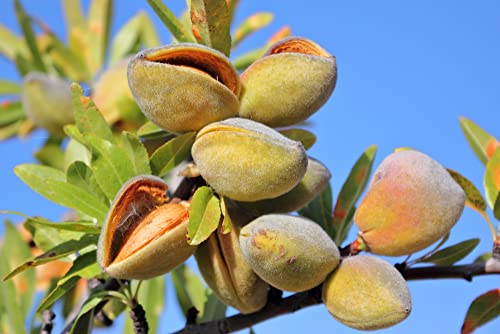
Soil Testing for Almond Tree Growth
Understanding the soil composition is crucial for successfully growing almond trees in Wichita, KS. Soil testing helps identify nutrient levels, pH balance, and drainage capabilities, ensuring that the environment supports healthy tree development. This process lays the foundation for effective cultivation and maximizes the potential yield of your almond orchard.
Almond trees thrive in well-draining soil with a pH between 6.0 and 7.5. Testing your soil is essential for determining its suitability. Key factors to consider include:
Drainage: Almond roots are sensitive to standing water.
Nutrient Levels: Ensure adequate nitrogen, phosphorus, and potassium.
Organic Matter: Incorporate compost to improve soil structure.
Conduct a soil test to assess these factors and amend as necessary.
Successful Almond Tree Planting Methods
In Wichita, KS, cultivating almond trees can be a rewarding endeavor, especially when employing effective planting methods. Understanding the unique climate and soil conditions of the High Plains is essential for ensuring successful growth and maximizing yield. This section explores proven techniques that can help local growers thrive in their almond farming efforts.
Proper planting techniques set the foundation for healthy almond trees. Follow these steps for successful planting:
Choose a Sunny Location: Almond trees need full sun for optimal growth.
Dig a Proper Hole: Make a hole twice the width of the root ball and the same depth.
Position the Tree: Place the tree in the hole, ensuring the graft union is above soil level.
Backfill Carefully: Fill the hole with native soil, avoiding air pockets.
Water Thoroughly: Water the tree immediately after planting to settle the soil.
Irrigation and Nutrient Management Techniques
Effective irrigation and nutrient management are crucial for successfully cultivating almond trees in Wichita, Kansas. Given the region’s unique climate and soil conditions, understanding the best practices for watering and fertilization can significantly enhance tree health and yield. This section delves into essential techniques that support robust almond growth in the High Plains.
Effective watering and fertilizing are vital for almond tree health. Establish a routine that meets the trees’ needs:
Watering: Young trees require deep watering every 1-2 weeks. Mature trees need less frequent but deeper watering.
Fertilizing: Apply a balanced fertilizer in early spring and again in late summer. Follow package instructions for application rates.
These practices promote strong root development and fruit production.
Pest and Disease Control for Almond Trees
Effective pest and disease control is crucial for the successful cultivation of almond trees in Wichita, KS. The unique climate and environmental conditions of the High Plains present specific challenges that growers must address. Understanding the common threats and implementing targeted management strategies can significantly enhance the health and productivity of almond orchards in this region.
Monitoring for pests and diseases is essential for maintaining healthy almond trees. Common issues include:
Navel Orange Worm: Affects nuts during the late summer.
Bacterial Blight: Can cause leaf spots and dieback.
Implement preventive measures such as:
Regular Inspections: Check for signs of pests or disease.
Organic Treatments: Use neem oil or insecticidal soap as needed.
Cultural Practices: Maintain good air circulation and remove debris.
Almond Harvest Timing for Best Flavor
Understanding the optimal timing for harvesting almonds is crucial for maximizing flavor and quality. In Wichita, KS, where climate conditions can vary, knowing when to pick your almonds can significantly impact their taste and market value. This section explores the best practices for determining the right harvest time to ensure a successful crop.
Harvesting almonds at the right time ensures the best flavor and quality. Follow these guidelines:
Timing: Harvest when the hulls split and nuts fall to the ground.
Method: Use a mechanical shaker or hand-pick nuts.
Post-Harvest Care: Dry nuts in a shaded area to prevent mold.
Proper harvesting maximizes your yield and preserves nut quality.
| Variety | Yield per Tree | Resistance to Cold | Flavor Profile |
|---|---|---|---|
| Carmel | 50 lbs | Moderate | Sweet |
| Sonora | 60 lbs | High | Rich |
| Tuono | 40 lbs | Very High | Nutty |
Seasonal Preparation for Almond Cultivation
Growing almond trees in Wichita, KS requires careful seasonal preparation to ensure successful cultivation in the unique climate of the High Plains. Understanding the specific needs of almonds throughout the year, from planting to harvest, is essential for maximizing yield and maintaining tree health. This section outlines the critical steps to take during each season for optimal almond growth.
Wichita experiences significant seasonal changes that impact almond tree growth. To prepare:
Winter Protection: Use mulch to insulate roots during freezing temperatures.
Spring Frost: Monitor forecasts and cover trees if frost is expected.
Summer Heat: Ensure adequate watering during hot spells.
Adapt your care routine to these seasonal challenges for sustained growth.
Wichita Almond Growing Support Networks
In Wichita, KS, a thriving community of almond growers has emerged, fostering collaboration and knowledge sharing. These support networks play a crucial role in helping both novice and experienced farmers navigate the unique challenges of cultivating almonds in the High Plains. By connecting local growers, these groups enhance resources and promote sustainable practices essential for success.
Utilizing local resources can enhance your almond-growing efforts. Consider:
Extension Services: Reach out to local agricultural extension offices for advice.
Gardening Clubs: Join local clubs for shared experiences and tips.
Online Forums: Engage with online communities focused on almond cultivation.
These resources provide valuable insights tailored to the Wichita climate.
Growing almond trees in Wichita, KS is a rewarding endeavor with the right knowledge and techniques. Focus on selecting suitable varieties, mastering planting and care, and utilizing local resources for the best results.
