

Have you ever wondered how cold your fruit trees can really handle? If you’ve spent time nurturing your garden, you know that winter can be a real challenge. Understanding the cold tolerance of your fruit trees not only helps protect your investment but also ensures a bountiful harvest come spring.
Key Takeaways
- Cold Tolerance Varies by Species: Different fruit trees have unique cold tolerance levels; for example, apple trees can withstand temperatures as low as -20°F, while citrus trees struggle below 28°F.
- Importance of Hardiness Zones: Understanding your USDA Plant Hardiness Zone helps in selecting fruit trees that are best suited for your local climate conditions.
- Impact of Age and Size: Mature fruit trees generally exhibit better cold resistance compared to younger trees, making it vital to protect younger trees with insulation or coverings.
- Location Matters: The geographical placement of your trees, such as near bodies of water or in sheltered areas, can create microclimates that enhance their ability to tolerate cold.
- Recognizing Cold Damage: Keep an eye out for signs like browning leaves, dormant buds, and cracked bark to quickly identify potential cold injury and take corrective action.
- Protective Strategies are Essential: Employing winterizing techniques, such as mulching and using insulating coverings, can significantly increase a tree’s resilience against extreme cold temperatures.
Overview of Fruit Tree Cold Tolerance
Understanding the cold tolerance of fruit trees helps you protect your investment during winter. Different types of fruit trees can withstand varying temperatures. Factors like species, age, and health influence their cold tolerance.
Cold Hardiness Zones
Cold hardiness zones categorize plants based on their ability to survive cold temperatures. The USDA Plant Hardiness Zone Map divides the U.S. into zones ranging from 1 (coldest) to 13 (warmest). You can find the specific zone for your region, which assists in choosing suitable fruit trees.
Temperature Ranges for Common Fruit Trees
Here’s a quick look at the cold tolerance of various fruit trees:
| Fruit Tree | Cold Tolerance (°F) | Hardiness Zone |
|---|---|---|
| Apple | -20 to -30 | 3 to 8 |
| Pear | -20 to -25 | 4 to 8 |
| Cherry | -20 to -25 | 4 to 7 |
| Peach | -10 to -20 | 5 to 8 |
| Plum | -15 to -20 | 4 to 8 |
| Citrus | 20 or higher | 9 to 11 |
Factors Affecting Cold Tolerance
Different factors impact how well fruit trees endure low temperatures:
- Species Variation: Each fruit tree species has unique cold tolerance levels. Research specific species to determine their hardiness.
- Age: Mature trees often show better cold resistance than younger ones.
- Environmental Conditions: Soil moisture, leaf cover, and wind exposure affect a tree’s ability to withstand cold.
- Mulch: Apply a layer of mulch around the base. This insulates roots and retains moisture.
- Covering: Use burlap or frost cloth to wrap the trees during extreme cold events.
- Location: Plant trees in sheltered areas to shield them from harsh winds.
- Watering: Keep trees well-watered before a freeze. Hydrated trees endure cold better.
By understanding the cold tolerance of your fruit trees, you can take proactive steps to safeguard them. This ensures healthier trees and a bountiful harvest in the warmer months.
Factors Affecting Cold Tolerance
Understanding the factors affecting cold tolerance helps you protect your fruit trees and ensure they thrive. Here’s a breakdown of the main influences on cold resistance.
Recommended Products

The Large plant cover is perfect for Plant size 55''-70"high and 84''-94" round, Heavy-weight FRCs (1.77oz./sq. yard): usually used to extend the growing season in spring and fall, allow 40%-60% light transmittance, and recommend 3°-8°F of freeze protection

Upgrade Rounded Top Plant Covers: The plant covers freeze protection adopt a newly upgraded dome expansion design, creating maximum 3D protective insulation space. It outperforms flat covers of the same size, effectively reducing the risk of branch/leaf breakage, and provides a warm, safe overwintering environment for trees, shrubs, flowers, vegetables, and other outdoor plants in autumn and winter

PACKAGE: The package includes 4Pcs plant covers,will meet your daily use or replacement. Measuring 31.5" x 47.3", the plant protector is waterproof, windproof.
Species-Specific Tolerance
Different species of fruit trees exhibit varying levels of cold tolerance. For example, apple trees may survive winter temperatures as low as -20°F, while citrus trees often struggle at temperatures below 28°F. Familiarizing yourself with the specific cold hardiness of the fruit trees in your garden ensures you choose the right varieties for your climate.
Age and Size of Trees
Age and size significantly impact a tree’s cold tolerance. Young trees, especially newly planted ones, may be more vulnerable to freezing temperatures. Established, larger trees typically have deeper root systems and better energy reserves, making them hardier. Consider wrapping young trees with insulation or using protective covers on especially cold nights to bolster their defense against harsh conditions.
Location and Microclimate
The location of your fruit trees plays a crucial role in their cold tolerance. Areas near bodies of water or with natural windbreaks can maintain slightly warmer temperatures compared to exposed locations. You can also create microclimates by planting trees against a south-facing wall or grouping them together for added warmth. Evaluate your garden’s layout to optimize the positioning of your trees for maximum protection from cold temperatures.
Signs of Cold Damage in Fruit Trees
Recognizing cold damage in fruit trees enables you to take timely action and protect your investment. Look out for these specific signs:
Recommended Products

Janitorial & Cleaning Supplies

Multifunctional: The Tree Wrap offers immediate protection for trees. When wrapped around a tree trunk, this protector prevents insects from burrowing under the bark to lay eggs, effectively stopping cicadas and other pests from finding nesting sites. It acts as a tree bandage, aiding in the repair of bark and promoting the tree's recovery. This tree wraps to protect bark also safeguards the tree's epidermis, preventing damage caused by lawn care equipment such as mowers and trimmers.

𝐕𝐄𝐑𝐒𝐀𝐓𝐈𝐋𝐄 𝐏𝐑𝐎𝐓𝐄𝐂𝐓𝐈𝐎𝐍 𝐅𝐎𝐑 𝐓𝐑𝐄𝐄𝐒: Tree trunk guard help trees withstand winter cold and frost damage, prevent trees from being exposed to high-intensity sunlight, and allow trees to grow healthily. This tree cover maintains moisture and ventilation for healthy growth.
Leaf Damage
- Browning Edges: Browning at the tips or edges indicates leaf cells are damaged by cold.
- Wilting: Leaves may droop or appear limp, signaling internal moisture loss.
Bud Inactivity
- Dormant Buds: If buds fail to swell in spring, cold temperatures may have harmed them.
- Discoloration: Buds should be green; brown or black buds indicate cold injury.
Bark and Wood Damage
- Cracking Bark: Cold injury can cause bark to split, especially on sunny days followed by freezing nights.
- Canker Development: Dark, sunken areas on branches may signal freeze-thaw cycles damaging the wood.
Fruit Malformation
- Early Drop: If fruit drops prematurely or has abnormal shapes, cold stress might be the cause.
- Poor Ripening: Fruits not ripening uniformly could indicate that blossoms were damaged by cold during flowering.
Stunted Growth
- Reduced New Growth: A lack of new shoots or leaves in spring may reflect cold stress suffered over winter.
- Weak Branches: Thin, weak stems may struggle to support foliage, suggesting prior cold injury.
- Root Death: Roots can suffer from freezing and may show reduced growth, affecting the entire tree.
- Poor Nutrient Uptake: Weak foliage or fruit trees showing nutrient deficiencies may tie back to root damage from cold.
Monitoring these signs can help you identify cold damage early. Taking preventive steps next winter enhances your fruit trees’ resilience against temperature extremes.
Strategies for Protecting Fruit Trees
Protecting fruit trees from cold temperatures requires proactive measures. Different strategies will help ensure your trees thrive despite winter’s chill.
Recommended Products
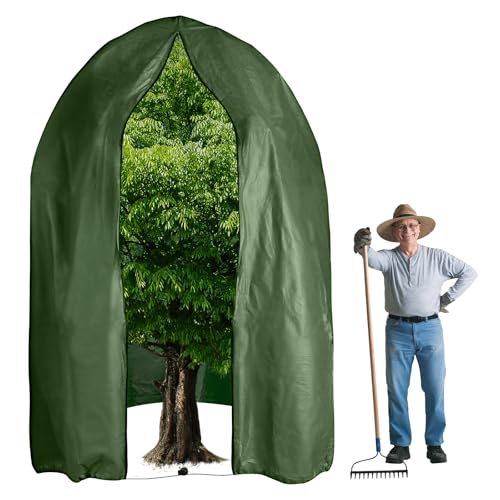
Extra Large Size:Our winter plant covers are designed with a super large size,It is about 110"x79", which is large enough to fit the plants easily, suit for protecting large plants and provides better protection from wind,snow,ice frost damage

The small plant cover is perfect for Plant size 16''-23"high and 36''-46" round, Heavy-weight FRCs (1.77oz./sq. yard): usually used to extend the growing season in spring and fall, allow 40%-60% light transmittance, and recommend 3°-8°F of freeze protection

Extra Thick Tree and Plant Covers for Winter: Scrubits Frost Blankets for outdoor plants and Trees will ensure that your Trees and large plants not only survive the winter but thrive and grow to blossom. With its extra thick fabric and long-lasting material, you can be confident about next year's harvest.
Choosing the Right Varieties
Selecting appropriate fruit tree varieties is essential. Opt for those suited to your climate zone. For example, if you live in USDA zones 5 or 6, you might choose apple trees known for their hardiness. Conversely, in warmer zones, citrus trees may thrive better. Research local resources or consult with local nurseries to find the best varieties for your area.
Winterizing Techniques
Implementing winterizing techniques can significantly improve your trees’ cold tolerance. Begin by pruning weak or dead branches in late fall. This helps prevent damage from heavy snow and ice. Consider wrapping young or delicate trees with burlap to provide extra insulation. Additionally, placing stakes around larger trees can help them stand strong against strong winds.
Utilizing Mulch and Coverings
Using mulch and coverings offers crucial protection. Apply a layer of organic mulch around the base of each tree. Mulch helps regulate soil temperature and retain moisture. You can also cover trees with frost cloth during severe cold snaps. Ensure coverings touch the ground to trap heat but leave some space for air circulation.
These practical strategies will enhance the resilience of your fruit trees against unforgiving winter weather. Adapting these methods to your specific conditions ensures better protection and promotes healthier growth.
Conclusion
Understanding how cold your fruit trees can tolerate is key to keeping them healthy and thriving. By knowing their specific needs and the conditions they can withstand you can take the right steps to protect them during harsh winters.
Remember to consider factors like species, age, and your local microclimate when planning your garden. With the right strategies in place you can help your trees survive the cold and enjoy a bountiful harvest come spring.
So keep an eye on those signs of cold damage and be proactive in your care. Your efforts will pay off with vibrant trees and delicious fruit for years to come.
Frequently Asked Questions
What is cold hardiness for fruit trees?
Cold hardiness refers to a plant’s ability to withstand freezing temperatures. Different fruit trees have varying levels of cold tolerance based on factors such as species, health, and age. Understanding these limits helps gardeners protect their trees during winter, ensuring a better harvest in spring.
How can I determine my fruit tree’s cold tolerance?
You can determine your fruit tree’s cold tolerance by consulting the USDA Plant Hardiness Zone Map, which categorizes plants based on their survival in cold temperatures. Additionally, understanding specific species’ temperature limits, such as apple trees surviving down to -20°F or citrus trees struggling below 28°F, is essential.
What factors affect the cold tolerance of fruit trees?
Several factors influence cold tolerance in fruit trees, including species variation, age, health, and environmental conditions. Established trees tend to be hardier than younger ones. Other factors like location, microclimates, and natural windbreaks also impact temperature resilience.
How can I protect my fruit trees during cold weather?
To protect your fruit trees, simply apply mulch around their base, use burlap or frost cloth for covering, plant them in sheltered spots, and ensure adequate watering before cold spells. These practices help insulate and support tree health during freezing temperatures.
What signs indicate cold damage in fruit trees?
Signs of cold damage in fruit trees include browning leaf edges, dormant or discolored buds, cracked bark, and stunted growth. Early identification of these indicators allows gardeners to take timely action to mitigate cold stress and enhance their trees’ resilience.
What steps can I take to winterize my fruit trees?
To winterize your fruit trees, prune weak branches, wrap delicate trees with burlap for insulation, and use mulch to regulate soil temperature. Additionally, applying frost cloth during severe cold snaps helps protect against freezing temperatures and promotes healthy growth.
Are there specific tree varieties suited for cold climates?
Yes, certain fruit tree varieties are better suited for colder climates. For example, hardy apple trees thrive in USDA zones 5 and 6. Choosing the right varieties for your climate zone is vital for enhancing cold tolerance and ensuring a successful harvest.
