

Ever thought about growing your own fruit but don’t have the space for a full garden? You’re not alone. Many people dream of fresh, homegrown fruit but feel limited by their small yards or urban living. The good news is you can grow a variety of fruit trees in pots, making it easier than ever to enjoy the sweet rewards of your labor.
Key Takeaways
- Space Efficiency: Growing fruit trees in pots maximizes small spaces, making it ideal for urban living or limited yards.
- Variety of Options: Both dwarf and standard fruit trees can thrive in containers, allowing for a diverse selection such as dwarf apples, lemons, cherries, and figs.
- Essential Care: Regular watering and the use of high-quality potting soil are crucial for healthy growth and fruitful yields.
- Mobility and Accessibility: Potted trees offer the advantage of easy relocation for optimal sunlight and convenient harvesting without physical strain.
- Challenges and Solutions: Awareness of common challenges, such as limited root space and pest management, along with practical solutions ensures successful container gardening.
Benefits Of Growing Fruit Trees In Pots
Growing fruit trees in pots offers numerous advantages for individuals with limited garden space. Here are some key benefits:
- Space-Saving: Pot cultivation enables you to maximize available space. Small yards and balconies become ideal locations for vibrant fruit production.
- Mobility: Potted trees can easily move with you. You can shift them to optimize sun exposure or protect them from harsh weather.
- Accessibility: Pots elevate plants, making harvests easier. No bending or straining is necessary to reach ripe fruits.
- Soil Control: Container gardening allows you to choose ideal soil mixes tailored for specific fruits. This control fosters healthy roots and enhances overall tree performance.
- Pest Management: Potted trees are easier to monitor. You can quickly identify pests or diseases and treat them without affecting other plants.
- Aesthetic Appeal: Fruit trees add beauty to any space. Colorful blossoms and attractive foliage enhance your surroundings while yielding delicious fruit.
- Year-Round Enjoyment: With proper care, you can enjoy fruits in multiple seasons. Varieties like lemons and figs flourish indoors or on a patio.
Consider these benefits when deciding to grow fruit trees in pots. Their versatility caters to urban living and compact outdoor spaces.
Suitable Fruit Trees For Container Gardening
Growing fruit trees in pots allows you to enjoy fresh fruit, even in limited space. Here are some suitable tree options for container gardening.
Recommended Products

4 FRUIT VARIETIES – 100 SEEDS TOTAL: Includes 30 Apple Seeds, 30 Lemon Seeds, 30 Cherry Seeds, and 10 Banana Seeds, individually separated by variety for an exciting fruit-growing collection.

🌳 3-Pack Fruit Tree Bundle Includes live apple, blueberry, blackberry trees—perfectly paired for a diverse and productive backyard orchard.

Product Quantity: 180+ premium bonsai fruit seeds across 5 varieties; Individual packs contain 40+ apple, 40+ lemon, 40+ orange, 20+ blueberry, and 40+ cherry seeds; Perfect for starting a diverse miniature orchard
Dwarf Varieties
Dwarf fruit trees thrive in pots due to their compact size. They typically reach heights of 3 to 6 feet, making them manageable for small spaces.
- Dwarf Apple Trees: Varieties like ‘Honeycrisp’ and ‘Fuji’ produce flavorful fruits. These trees need at least 6 hours of sunlight daily.
- Dwarf Lemon Trees: ‘Improved Meyer’ lemon offers a sweet, juicy fruit. It grows well in pots and prefers a sunny location.
- Dwarf Cherry Trees: ‘Stella’ and ‘Compact Stella’ are perfect for patios. They bear cherries and thrive in full sun.
- Dwarf Peach Trees: Varieties such as ‘Bonanza’ yield sweet peaches. They require regular watering and good drainage.
Standard Varieties
Standard fruit trees can also adapt to container life, though they need larger pots. They typically reach heights of 6 to 10 feet.
- Standard Apple Trees: ‘Granny Smith’ and ‘Golden Delicious’ can grow in large containers. Ensure cross-pollination for optimal fruit yield.
- Standard Fig Trees: Varieties like ‘Brown Turkey’ do well in pots and provide sweet, fresh figs. They thrive in full sun with regular watering.
- Standard Olive Trees: ‘Arbequina’ olive trees prosper in containers, providing ornamental value and olives. They prefer well-drained soil and full sunlight.
- Standard Pomegranate Trees: Varieties such as ‘Wonderful’ produce vibrant fruits and flowers. They grow well in sunny spots and tolerate drought.
Keeping these fruit trees in pots allows you to enjoy a home garden without sacrificing space. Make sure to choose the right size pot, provide sufficient sunlight, and maintain proper watering practices for the best growth.
Essential Requirements For Growing Fruit Trees In Pots
Growing fruit trees in pots requires specific considerations to ensure healthy growth and fruitful yields. Focus on these essential aspects.
Pot Selection
Select pots that match the size of your fruit tree variety. Dwarf trees thrive in pots of 5 to 10 gallons, while standard trees require at least 15 gallons. Ensure pots have drainage holes to prevent root rot. Materials like terracotta or plastic offer breathability and insulation. Use pots with shallow profiles for short-rooted trees and deeper ones for varieties with extensive roots.
Soil Types
Choose high-quality potting soil specifically designed for fruit trees. This soil should provide adequate drainage while retaining moisture. Look for a mix containing compost, peat moss, and perlite or vermiculite. Compost enhances nutrient content, while peat moss maintains moisture levels. Frequent examination of soil pH ensures it’s between 6.0 and 7.0, suitable for most fruit trees. Regularly refreshing the soil helps replenish nutrients and maintain optimal conditions for growth.
Care And Maintenance
Maintaining healthy potted fruit trees requires consistent care. Proper watering, fertilization, and ongoing attention help ensure your trees thrive.
Watering Techniques
Water your fruit trees regularly to keep the soil consistently moist but not soggy. Use these techniques for effective watering:
- Check Soil Moisture: Insert your finger about an inch into the soil. If it feels dry, it’s time to water.
- Water Deeply: Apply water until it drains from the bottom of the pot. This encourages roots to grow deeper.
- Adjust Frequency: Increase watering during hot weather and reduce it in cooler months. Containers dry out faster.
- Consider Drip Irrigation: Setting up a simple drip irrigation system ensures consistent moisture without overwatering.
Fertilization Tips
Fertilization supports growth and fruit production in potted trees. Follow these guidelines for optimal results:
- Choose a Balanced Fertilizer: Select a fertilizer with equal parts nitrogen, phosphorus, and potassium (e.g., 10-10-10).
- Apply During Growing Season: Fertilize every 4 to 6 weeks during the growing season, typically from spring through early fall.
- Follow Package Instructions: Adhere to the recommended dosage on the fertilizer package to avoid over-fertilizing.
- Monitor Tree Health: If your tree shows signs of nutrient deficiency, such as yellowing leaves, consider adjusting your fertilization regimen.
Regular attention to watering and fertilization helps ensure your potted fruit trees remain healthy and productive.
Common Challenges And Solutions
Growing fruit trees in pots presents unique challenges. Understanding these issues helps ensure a successful gardening experience.
Recommended Products


BEGINNER-FRIENDLY & EASY TO GROW – Perfect for first-time bonsai growers, simple planting and care instructions
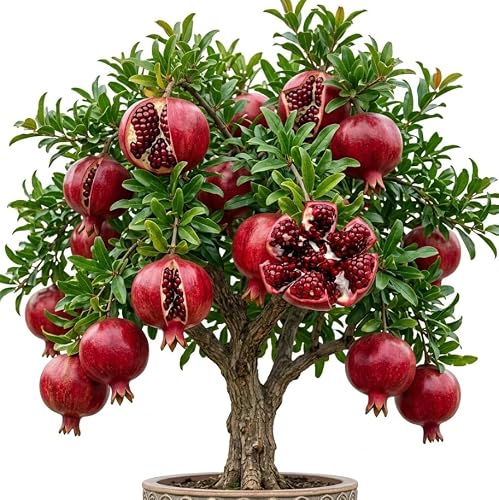
Each order includes a live red pomegranate plant, carefully grown and ready to thrive in your garden or home.
Limited Space
Challenge: Restricted root growth can hinder the tree’s development.
Solution: Choose smaller varieties like ‘Improved Meyer’ lemon or dwarf apple trees. Use pots that provide ample space for roots to spread. Consider rotating the pot occasionally to distribute sunlight evenly.
Soil Deterioration
Challenge: Soil can become compacted or depleted over time.
Solution: Refresh the potting mix annually. Aim for a mix specifically designed for fruit trees, which offers both drainage and nutrients. Regularly check soil pH and amend it if necessary to maintain optimal conditions.
Watering Difficulties
Challenge: Potted trees can dry out quickly, especially in warm weather.
Solution: Establish a consistent watering routine. Water deeply when the top inch of soil feels dry. Implementing a drip irrigation system simplifies moisture management, ensuring even hydration.
Pest Management
Challenge: Pests may target potted fruit trees, affecting growth and yield.
Solution: Inspect your trees regularly for signs of infestation. Use organic pesticides like neem oil if necessary. Introduce beneficial insects, such as ladybugs, to combat common pests naturally.
Pruning Needs
Challenge: Potted trees can become overgrown, leading to reduced fruit production.
Solution: Prune annually during dormancy. Focus on removing dead or crossing branches to improve airflow and light penetration. Regular pruning encourages a healthy structure and fruiting.
Nutrient Deficiency
Challenge: Potted trees may suffer from nutrient shortages.
Solution: Apply a balanced fertilizer during the growing season. Follow the package instructions based on your tree type. Check for signs of deficiency, like yellowing leaves, and adjust fertilization accordingly.
Addressing these common challenges with effective strategies enhances your success in growing fruit trees in pots, allowing you to enjoy homegrown fruit in limited spaces.
Conclusion
Growing fruit trees in pots is a fantastic way to enjoy fresh produce even in limited spaces. With the right tree selection and care, you can create a thriving mini orchard right on your balcony or patio.
Remember to choose the appropriate pot size and quality soil to set your trees up for success. Regular attention to watering and fertilization will keep them healthy and productive.
Embrace the joy of nurturing your own fruit trees and savor the delicious rewards they bring. Happy gardening!
Frequently Asked Questions
Can you grow fruit trees in pots?
Yes, you can grow fruit trees in pots! This method is ideal for small spaces like yards or urban settings, allowing you to enjoy homegrown fruit without a traditional garden.
What are the benefits of growing fruit trees in pots?
Growing fruit trees in pots offers several benefits, including saving space, mobility for optimal sunlight, control over soil conditions, easier pest management, and aesthetic appeal. Plus, you can enjoy fresh fruit year-round!
What types of fruit trees are suitable for container gardening?
Dwarf varieties, such as ‘Honeycrisp’ apples, ‘Improved Meyer’ lemons, and ‘Stella’ cherries, are perfect for containers. Standard varieties can also work but require larger pots and more space.
What pot size is best for fruit trees?
Dwarf fruit trees thrive in 5 to 10-gallon pots, while standard trees need at least a 15-gallon pot. Always choose a pot that matches the size of your fruit tree variety.
What type of soil should I use for potted fruit trees?
Use a high-quality potting mix designed for fruit trees that promotes proper drainage and moisture retention. Regularly check soil pH and refresh the soil as needed for optimal growth.
How often should I water potted fruit trees?
Watering frequency varies based on weather and soil moisture. Check the soil regularly, water deeply, and consider a drip irrigation system for consistent moisture.
What are common challenges when growing fruit trees in pots?
Common challenges include limited space, soil deterioration, watering issues, pest management, and nutrient deficiency. Address these with practical solutions like selecting smaller varieties and maintaining proper care.
How do I fertilize potted fruit trees?
Use a balanced fertilizer during the growing season, following package instructions. Monitor your trees for signs of nutrient deficiency and adjust fertilization as needed for healthy growth.
