

Wondering if you can spray Roundup around your fruit trees? You’re not alone. Many gardeners face this dilemma when trying to keep their yards weed-free without harming their beloved trees.
Picture this: you’ve spent hours nurturing your fruit trees, and those pesky weeds just won’t budge. You want a solution that works but don’t want to jeopardize your trees’ health. This article will help you understand the implications of using Roundup near fruit trees and offer safer alternatives to keep your garden thriving. With the right information, you can maintain a beautiful landscape while protecting your fruit trees.
Key Takeaways
- Consider Risks: Using Roundup can harm fruit trees; direct contact or drift from the spray may result in leaf burn and impaired growth.
- Apply Safely: Maintain at least a 10-foot distance from tree trunks, and apply Roundup during calm weather to minimize drift.
- Explore Alternatives: Opt for safer weed control methods such as mulching, hand weeding, or using natural herbicides like vinegar.
- Understand Vulnerabilities: Different fruit trees have varying sensitivities to glyphosate; be aware of how specific types may react.
- Follow Regulations: Always check local regulations regarding herbicide use around edible plants and adhere to safety guidelines outlined on product labels.
Overview of Roundup
Roundup, a popular herbicide, contains glyphosate as its active ingredient. It’s widely used to control weeds in gardens, lawns, and agricultural fields. Glyphosate disrupts specific pathways in plants, preventing their growth. While effective against various weeds, its use around fruit trees raises concerns.
Recommended Products
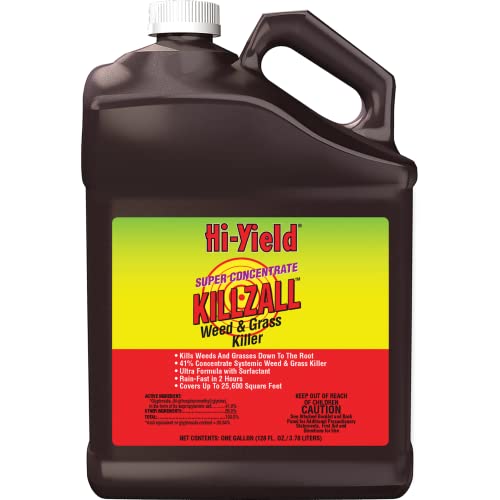
Weed killer controls grasses, broadleaf weeds and woody brush species. Do not use on lawns.

Broad Spectrum Liquid Aquatic Herbicide -- Airmax Shoreline Defense Emergent Weed Control is great for controlling cattails, phragmites, grasses, weeds, and brush. For use in fresh and brackish water.
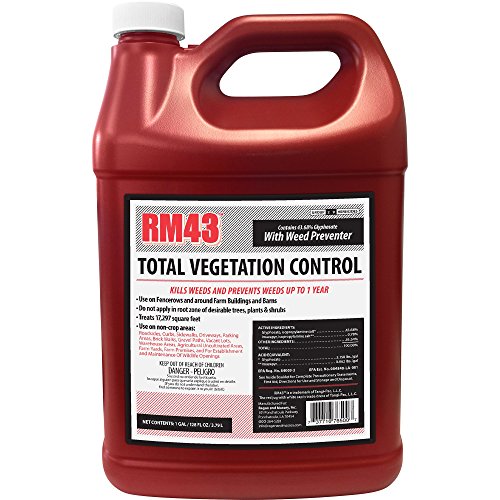
Concentrated mix with water, add to sprayer
Effects on Fruit Trees
Roundup can chemically affect fruit trees if sprayed directly or if it drifts onto their foliage. Accidental contact with glyphosate may cause leaf burn, impaired growth, or even tree death in some cases. Understanding these risks is essential for maintaining healthy fruit trees.
Application Guidelines
If you consider using Roundup around fruit trees, follow these guidelines:
- Distance: Apply Roundup at least 10 feet away from tree trunks to minimize potential harm.
- Timing: Spray when wind speeds are low to prevent drift onto trees.
- Technique: Use a targeted application method, such as a sponge or paintbrush, to minimize contact with non-target plants.
Alternatives to Roundup
Choosing safer alternatives can prevent the risks associated with glyphosate. Consider these options:
- Mulching: Use organic materials like wood chips or straw to suppress weed growth around trees.
- Hand Weeding: Regularly remove weeds by hand to maintain a weed-free zone without chemicals.
- Natural Herbicides: Look for vinegar or other eco-friendly herbicides specifically designed for use in gardens.
By understanding the effects of Roundup and implementing safer weed control methods, you can protect your fruit trees while effectively managing weeds.
Impact on Fruit Trees
Using Roundup around fruit trees requires careful consideration due to potential harm. Glyphosate, the active ingredient in Roundup, can negatively affect tree health.
Understanding Glyphosate
Glyphosate is a non-selective herbicide that targets and kills plants by inhibiting a specific enzyme pathway. When glyphosate contacts the leaves of fruit trees, it can cause damage. This includes symptoms such as leaf burn, reduced fruit yield, or even tree death in severe cases. Always take caution when using herbicides, as unintended exposure can lead to lasting consequences.
Types of Fruit Trees Affected
Different fruit trees show varying levels of vulnerability to glyphosate. Some examples include:
- Apple Trees: Sensitive to glyphosate drift. Exposure can lead to stunted growth and early leaf drop.
- Citrus Trees: More susceptible to herbicides, resulting in leaf burn and diminished fruit quality.
- Stone Fruit Trees: Peaches and cherries may experience blight or decreased productivity.
Understanding these sensitivities helps you make informed decisions regarding weed management around your fruit trees.
Safe Application Practices
Using Roundup around fruit trees requires careful planning and precaution. Adhering to safe application practices helps protect your trees while managing weeds effectively.
Distance and Timing Considerations
Maintain at least a 10-foot distance from fruit trees when applying Roundup. This distance minimizes the risk of glyphosate drift affecting tree foliage. Apply herbicide during calm weather to prevent wind from carrying it towards your fruit trees. Early morning or late evening applications are ideal, as temperatures are cooler, and evaporation risks are lower.
Alternative Weed Control Methods
Consider using alternative methods for weed control to protect your trees. Some effective options include:
- Mulching: Spread organic mulch around the base of your trees. This suppresses weed growth, retains moisture, and improves soil quality.
- Hand Weeding: Regularly pull weeds by hand, ensuring you remove the entire root to prevent regrowth.
- Natural Herbicides: Explore natural herbicides made from ingredients like vinegar or salt. These can target weeds without harming your fruit trees.
Employing these alternative strategies offers safe and effective weed management around your fruit trees.
Regulatory and Safety Guidelines
Using Roundup around fruit trees requires adherence to specific regulatory and safety guidelines to protect both your trees and the environment. Here are key points to consider:
Check Local Regulations
- Consult Local Authorities: Verify local regulations regarding herbicide use. Some areas may have restrictions on glyphosate application near edible plants.
- Obtain Permits: If required, secure any necessary permits for herbicide use in agricultural settings.
Follow Label Instructions
- Read Product Labels: Always follow the manufacturer’s instructions. Labels contain crucial information about application rates and safety precautions.
- Observe Restrictions: Pay attention to any restrictions on use near fruit-bearing plants.
Use Personal Protective Equipment (PPE)
- Wear Protective Gear: Use gloves, long sleeves, and eye protection while handling Roundup to minimize exposure.
- Avoid Skin Contact: Ensure that Roundup doesn’t contact your skin or clothing during application.
Timing and Weather Conditions
- Apply During Calm Weather: Apply Roundup on calm days to prevent drift onto nearby fruit trees. Avoid windy conditions.
- Choose Appropriate Times: Early mornings or late evenings are ideal for applications to reduce evaporation and potential damage to sensitive plants.
Maintain Safe Distances
- Keep Distance: Maintain at least a 10-foot distance from the trunks of fruit trees during application.
- Use Precautionary Barriers: Consider using physical barriers to shield trees from spray drift.
- Consider Organic Options: Explore organic herbicide alternatives that are safer for fruit trees. Look into options labeled as safe for edible crops.
- Implement Manual Weeding Strategies: Incorporate manual weeding techniques for better control without impacting tree health.
By adhering to these guidelines, you can manage weeds effectively around your fruit trees while minimizing risks.
Conclusion
Using Roundup around your fruit trees requires careful thought and consideration. The potential risks to your trees’ health can outweigh the benefits of weed control. By following safe application practices and maintaining a safe distance from the trunks you can minimize harm.
Exploring alternative weed management methods like mulching or hand weeding not only protects your trees but can also create a healthier garden environment. Remember that your fruit trees deserve the best care possible. With the right approach you can enjoy a thriving garden while keeping those pesky weeds at bay.
Frequently Asked Questions
Can I use Roundup near fruit trees?
Yes, but with caution. Roundup contains glyphosate, which can harm fruit trees if it drifts onto their leaves. It’s crucial to follow safe application guidelines to minimize risks.
How does Roundup affect fruit trees?
Glyphosate can cause leaf burn and impaired growth in fruit trees. Symptoms may include reduced fruit yield or even tree death in severe cases, depending on the tree’s sensitivity.
What are safe application practices for Roundup around trees?
Maintain a distance of at least 10 feet from tree trunks, apply during calm weather, and use targeted methods. Early morning or late evening applications are ideal to reduce drift.
What are alternatives to using Roundup?
Consider using mulching, hand weeding, or natural herbicides. These methods effectively control weeds without posing risks to your fruit trees.
Are there regulations for using Roundup in gardens?
Yes, check local regulations regarding herbicide use. Always follow product label instructions and use personal protective equipment (PPE) to ensure safe application.
Which fruit trees are most sensitive to glyphosate?
Apple, citrus, and stone fruit trees are particularly sensitive to glyphosate. Gardeners should exercise extra caution when applying Roundup near these trees.
