

Growing almond trees in Irvine, CA requires understanding the unique coastal soil conditions. By selecting the right varieties and implementing effective cultivation techniques, you can ensure a healthy yield. This guide provides essential insights into soil management and tree care specific to the coastal climate.
Coastal Soil Challenges for Almond Cultivation
Growing almond trees in Irvine, CA presents unique challenges due to the coastal soil conditions. Understanding the specific characteristics of this soil is crucial for successful cultivation, as factors like salinity, drainage, and nutrient availability can significantly impact tree health and yield. This section explores the primary coastal soil challenges that almond growers face in the region.
Coastal soil in Irvine presents unique challenges for growing almond trees. The soil often has high salinity levels and poor drainage, which can hinder root development.
It’s crucial to assess the soil’s texture and nutrient content before planting. Conducting a soil test will help identify necessary amendments.
Soil Testing for Almond Cultivation
Understanding the unique soil composition in Irvine, CA is crucial for successful almond cultivation. Soil testing provides essential insights into nutrient levels, pH balance, and drainage capabilities, allowing growers to tailor their practices for optimal tree health and productivity. This section will explore the importance of soil testing and the specific parameters to consider for thriving almond trees.
Testing your soil is the first step in successful almond cultivation. A comprehensive soil test will reveal pH levels, nutrient deficiencies, and salinity. Based on the results, you can amend the soil accordingly.
| Soil Component | Ideal Range | Amendment Options |
|---|---|---|
| pH | 6.0 – 7.5 | Lime or sulfur |
| Nitrogen | 30 – 50 ppm | Urea or compost |
| Salinity | < 1.0 dS/m | Gypsum or leaching |
Adjust pH using lime to raise acidity or sulfur to lower it.
Boost nitrogen levels with organic fertilizers like compost.
Reduce salinity by incorporating gypsum and improving drainage.
Coastal Almond Varieties for Optimal Growth
When cultivating almond trees in Irvine, CA, selecting the right coastal varieties is crucial for maximizing growth and yield. These specific varieties are adapted to the unique soil and climate conditions of the region, ensuring that growers can achieve the best possible results in their almond production efforts. Understanding these options will help you make informed choices for your orchard.
Choosing the appropriate almond varieties is essential for successful growth in coastal conditions. Some varieties are more tolerant of salinity and can thrive in less-than-ideal soil conditions.
Best Almond Varieties for Coastal Conditions
When cultivating almond trees in coastal regions like Irvine, CA, selecting the right variety is crucial for success. Coastal conditions present unique challenges, including soil salinity and humidity, making it essential to choose almond varieties that thrive in these environments. This section explores the best almond varieties suited for coastal conditions, ensuring optimal growth and yield.
The following varieties are well-suited for Irvine’s coastal climate:
| Almond Variety | Characteristics | Yield Potential |
|---|---|---|
| Nonpareil | High-quality nuts, good disease resistance | 1,500 – 2,000 lbs/acre |
| Carmel | Early bloomer, good pollinator | 1,200 – 1,800 lbs/acre |
| Tuono | Tolerant to salinity, late harvest | 1,000 – 1,500 lbs/acre |
Nonpareil is known for its premium quality and high yield.
Carmel offers excellent pollination benefits and early harvest.
Tuono provides resilience against salinity issues.
Irrigation Strategies for Coastal Almond Trees
Effective irrigation is crucial for the successful cultivation of almond trees in Irvine’s coastal environment. Given the unique challenges posed by local soil conditions and climate, understanding the best irrigation strategies can significantly enhance tree health and nut production. This section explores various techniques tailored to optimize water usage and support robust almond growth.
Proper irrigation is critical for almond tree health, especially in coastal regions where water management is crucial. Overwatering can lead to root rot, while underwatering can stress the trees.
Recommended Products
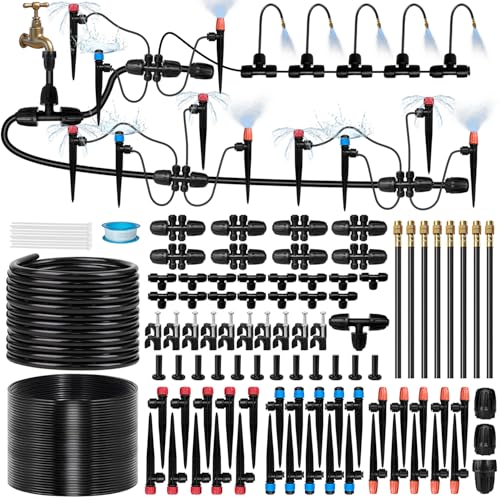
【Upgraded Tube Design & Water Saving】 Our garden watering system is upgraded to 1/2” diameter to support high water pressure. The 1/2” tee connector allows seamless splitting into 2 independent zones for customized watering schedules. By delivering moisture directly to root zones, this drip Irrigation system significantly reduces evaporation and runoff—saving more water compared to conventional sprinklers while eliminating the need for manual watering.
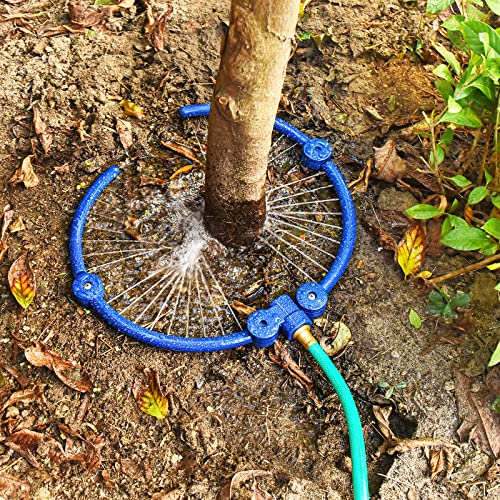
【Specially Designed for Trees and Shrubs】 The Watering Ring is a multi-purpose irrigation ring that attaches to a garden hose to efficiently water young trees shrubs vegetables or flower beds using drip or trickle irrigation.It directs water to the root perimeter of the plant to give them a good start during the first two growing seasons or through periods of drought.

NO MORE HARD INSTALLATION - SET UP IN MINUTES. Tired of struggling with stiff barbed fittings? This drip irrigation system features quick-connect fittings that let you push, lock, and secure tubing effortlessly. No tools, no leaks, just a smooth setup experience. Enjoy a frustration-free installation and get your garden watering system running in minutes.
Irrigation Techniques for Coastal Almond Cultivation
Effective irrigation techniques are crucial for successfully cultivating almond trees in the coastal climate of Irvine, CA. Given the unique challenges posed by coastal soil, understanding the best practices for water management can significantly enhance tree health and nut production. This section explores various irrigation methods tailored to optimize growth and yield in this specific environment.
Consider the following irrigation techniques to optimize water usage:
Drip irrigation delivers water directly to the roots, reducing waste.
Soil moisture sensors help monitor water levels and prevent overwatering.
Mulching retains soil moisture and regulates temperature.
| Irrigation Method | Advantages | Disadvantages |
|---|---|---|
| Drip Irrigation | Efficient, precise | Higher initial cost |
| Sprinkler System | Covers large areas | Can lead to water waste |
| Surface Irrigation | Low cost | Inefficient for deep roots |
Pest Control Strategies for Almond Orchards
Effective pest control is crucial for maintaining healthy almond orchards, especially in the unique coastal climate of Irvine, CA. This section explores various strategies tailored to combat common pests, ensuring optimal growth and yield while minimizing environmental impact. Understanding these methods can help growers protect their investment and enhance the sustainability of their almond production.
Pests and diseases can significantly impact almond tree health. Regular monitoring and integrated pest management strategies are essential for maintaining a healthy orchard.
Pest Identification and Management Strategies
Effective pest management is crucial for the success of almond trees in Irvine’s coastal environment. Understanding the specific pests that threaten these trees, along with tailored identification and management strategies, can help growers maintain healthy orchards. This section delves into common pests and practical approaches to mitigate their impact on almond production.
Identify and manage the following common pests:
Navel orangeworm: Use pheromone traps and timely insecticide applications.
Spider mites: Monitor for webbing and apply miticides as needed.
Bacterial blight: Prune affected areas and apply copper-based fungicides.
| Pest | Symptoms | Control Method |
|---|---|---|
| Navel Orangeworm | Damaged nuts, webbing | Pheromone traps, insecticides |
| Spider Mites | Yellowing leaves | Miticides, water sprays |
| Bacterial Blight | Leaf spots, dieback | Copper fungicides |
Optimal Almond Harvest Timing and Techniques
Timing your almond harvest is crucial for maximizing yield and quality, especially in the unique coastal climate of Irvine, CA. Understanding the optimal harvest period and employing effective techniques can significantly enhance your crop’s success. This section delves into the best practices for harvesting almonds to ensure a bountiful and high-quality yield.
Timing your harvest is crucial for maximizing nut quality and yield. Almonds should be harvested when the hulls split and nuts are dry.
Almond Harvesting Methods and Storage Solutions
Harvesting almonds requires careful timing and technique to ensure the best quality yield. In Irvine, CA, where coastal soil conditions play a significant role, understanding effective harvesting methods and proper storage solutions is crucial for maintaining freshness and maximizing profitability. This section explores various approaches to harvesting and storing almonds to optimize your crop’s potential.
Mechanical harvesters can speed up the process for larger orchards.
Hand harvesting may be necessary for smaller or organic farms.
Store harvested nuts in a cool, dry place to maintain quality.
| Storage Method | Ideal Conditions | Duration |
|---|---|---|
| Cool Storage | 32°F – 40°F | Up to 1 year |
| Dry Storage | Low humidity | 6 months |
Always monitor for signs of spoilage during storage.
