

Have you ever wondered when your cherry tree will finally reward you with its delicious fruit? If you’ve planted one or are thinking about it, you’re not alone. Many gardeners eagerly anticipate that first harvest, but the timeline can be a bit tricky.
Key Takeaways
- Cherry trees generally begin to bear fruit between 3 to 7 years after planting, with sweet cherries taking longer than sour cherries.
- Ideal growing conditions include well-drained soil and at least 6 hours of sunlight daily to enhance fruit production.
- Many cherry varieties require cross-pollination, so planting compatible trees can significantly improve fruit yield.
- Understanding varietal differences is crucial; sour cherries are often self-pollinating, while sweet cherries typically are not.
- Regular care, including proper watering and fertilization, during the formative years promotes earlier and healthier fruiting.
- Watch for common challenges such as pests and diseases, as early intervention can lead to better fruit production.
Understanding Cherry Trees
Cherry trees belong to the genus Prunus and can be classified mainly into two categories: sweet cherries and sour cherries. You’ll find sweet cherries (like ‘Bing’ and ‘Lapins’) mainly used for eating fresh, while sour cherries (like ‘Montmorency’ and ‘Early Richmond’) are often used in baking or preserving.
Lifespan and Growth
Cherry trees typically live between 15 to 30 years. In their early years, they focus on establishing strong root systems and healthy canopies. You might notice sparse flowers during the initial years, but patience is essential.
Time To Bear Fruit
Cherry trees generally begin to bear fruit between 3 to 7 years after planting, depending on the specific variety. For instance, sweet cherries often take longer than sour cherries. Here’s a quick overview of fruit-bearing ages for common varieties:
| Cherry Type | Approximate Years to Fruit |
|---|---|
| Sweet Cherry | 4 to 7 years |
| Sour Cherry | 3 to 5 years |
Ideal Conditions
Cherry trees thrive in well-drained soil and require full sunlight for at least 6 hours daily. You can improve fruit production by regularly watering the trees, especially during dry spells. Fertilizing in early spring can also boost growth and fruit yield.
Pollination Needs
Many cherry varieties require cross-pollination, meaning you need at least two different cherry trees for effective pollination. Ensure you choose compatible varieties to enhance fruit set. Sour cherries are self-pollinating and may not need cross-pollination.
Common Challenges
Watch out for pests like aphids and diseases such as brown rot, which can impact your tree’s health and fruit production. Regular inspections and treating problems early can encourage better yields.
By understanding these factors, you can better manage expectations and care for your cherry tree, ultimately leading to a fruitful harvest.
Factors Influencing Fruit Bearing
The fruit-bearing timeline of cherry trees depends on several key factors. Understanding these can help you manage expectations and care for your tree effectively.
Recommended Products


Seeds are fresh, 10-25 days to germination.

Tree Age
Tree age significantly influences when cherry trees produce fruit. Typically, most cherry trees begin to bear fruit between 3 to 7 years after planting. Younger trees focus on root and canopy development, which can delay fruit production. Sweet cherry varieties often require more time, reaching maturity on the later end of this timeline. In contrast, sour cherries usually start producing fruit earlier, around 3 to 5 years. Regular care during these formative years, including proper watering and fertilization, can promote healthier growth and earlier fruiting.
Varietal Differences
Varietal differences play a crucial role in determining fruit-bearing timelines and characteristics. Sweet cherries, such as ‘Bing’ and ‘Rainier,’ often take longer to mature and may require cross-pollination for optimal yields. Sour cherries, like ‘Montmorency,’ are typically self-pollinating, allowing them to produce fruit without another tree nearby. Each variety also has unique climate preferences and resistance to pests, affecting overall harvest success. Consider your local conditions and choose varieties suited to your environment to enhance fruit production.
Taking these factors into account can lead you to a more fruitful cherry tree experience.
Ideal Growing Conditions
Cherry trees thrive in specific conditions that enhance their growth and fruit-bearing capabilities. Understanding these conditions helps you create an ideal environment for your trees.
Recommended Products

Kindly NOTE: This soil tester can not be applied to test pH value of any other liquid. If the soil is too dry the indicator will not move, and water it before testing.

Quick, at home results for Soil pH, Nitrogen, Phosphorous and Potash Innovative and inexpensive soil test kit features an easy-to-use capsule system and patented color comparators

✅ 1Dial & 1 LCD Screen - Replace/install all 3 batteries each time. Put button to %RH/°F to - Turn On, and put to LIGHT to - Turn Off. Read the LCD results in 3-5 mins. (Not Water Moisture Meter, so, please don't test liquid)
Climate Requirements
Cherry trees generally prefer temperate climates. They require a winter chill period to produce fruit effectively, with temperatures between 32°F and 45°F being ideal. Regions with hot summers and cold winters, such as USDA Hardiness Zones 5 to 8, provide the best conditions. Consider selecting varieties suited to your local climate, as some do better in warmer areas while others tolerate colder weather. For example, Bing cherries thrive in milder climates, while Montmorency cherries are more cold-hardy.
Soil Preferences
Well-drained soil is crucial for cherry trees. They prefer sandy loam or clay loam soils rich in organic matter. The ideal pH level is between 6.0 and 7.0. Test your soil’s composition before planting to ensure it meets these requirements. If your soil is heavy or clay-like, consider amending it with compost or organic mulch to improve drainage. Adequate air circulation around the roots prevents diseases, so proper spacing between trees is essential. If planting multiple trees, maintain a distance of at least 20 to 30 feet for optimal growth.
When Does a Cherry Tree Bear Fruit?
Cherry trees typically bear fruit between 3 to 7 years after planting, depending on the variety and growing conditions. Understanding these timelines and potential challenges helps optimize your cherry-growing experience.
Recommended Products
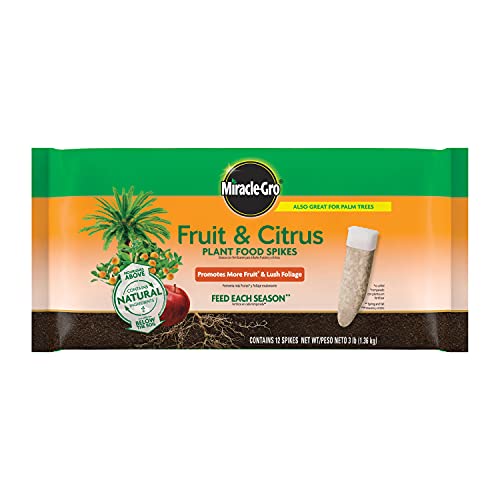
FORMULATED FOR CITRUS AND FRUIT TREES: Use these citrus fertilizer spikes on apple, orange, lemon, lime, and avocado trees; this formula is also great for feeding palm trees

Supports Strong Growth & Better Fruit Development - Helps promote vigorous growth, healthy foliage, and improved cherry production.

🌱 Strengthen CHERRY TREE Stalks & Prevent Breakage: Our silica formula reinforces plant cell walls, making stems and branches thick, tough, and resistant to breakage. Perfect for cherry tree plants.
Timeline for Different Varieties
- Sweet Cherry Trees: Expect fruit production to begin around 4 to 7 years after planting. Varieties like Bing and Rainier might take even longer, so patience is key.
- Sour Cherry Trees: Enjoy earlier rewards with sour varieties, which often start fruiting within 3 to 5 years. Montmorency cherries are a popular option that fits this timeframe.
- Cross-Pollinated Varieties: If you choose sweet cherries that require cross-pollination, make sure to plant at least two different varieties. This might extend the time until you see fruit, but it boosts overall yield.
- Poor Pollination: Insufficient pollinators in the area can lead to low fruit sets. Consider planting compatible varieties close together to enhance cross-pollination.
- Environmental Stress: Extreme weather conditions, such as late frosts or prolonged heat, can impact flowering and fruit development. Choose varieties suited to your local climate to minimize risks.
- Nutrient Deficiency: An imbalance in soil nutrients may delay fruit bearing. Test soil pH and nutrient levels, and consider applying balanced fertilizers in early spring.
- Pests and Diseases: Insect infestations or fungal diseases can reduce fruit yield. Monitor your trees regularly and apply pest control measures as needed to maintain healthy foliage and blooms.
By recognizing these timelines and addressing common issues, you can help ensure fruitful seasons for your cherry trees.
Conclusion
Growing cherry trees can be a rewarding experience filled with anticipation. While patience is key as your tree establishes itself you can look forward to those delicious fruits in just a few years. By understanding the specific needs of your chosen variety and providing the right conditions you’ll set yourself up for success.
Keep an eye on your tree’s health and be mindful of pollination requirements. With proper care and a little time you’ll soon be enjoying the sweet or tart flavors of your very own cherries. Happy gardening and may your cherry trees thrive!
Frequently Asked Questions
When will my cherry tree start bearing fruit?
Cherry trees generally start producing fruit between 3 to 7 years after planting. Sour cherries tend to bear fruit earlier, within 3 to 5 years, while sweet cherries usually take longer, between 4 to 7 years.
What are the different types of cherry trees?
Cherry trees are mainly classified into two types: sweet and sour. Sweet cherries are primarily used for fresh consumption, while sour cherries are favored for baking and preserving.
Do cherry trees need cross-pollination?
Yes, most sweet cherry varieties require cross-pollination for effective fruit set, meaning at least two different trees should be planted nearby. In contrast, sour cherries are typically self-pollinating.
What conditions are best for growing cherry trees?
Cherry trees thrive in temperate climates with winter chills between 32°F and 45°F. They prefer well-drained sandy loam or clay loam soil with a pH between 6.0 and 7.0 and should receive full sunlight.
How long do cherry trees live?
Cherry trees have a lifespan ranging from 15 to 30 years, depending on the variety and care they receive throughout their life.
What can delay fruit production in cherry trees?
Delays in fruit production can result from factors like tree age, environmental stress, poor pollination, nutrient deficiencies, and pest issues. Younger trees often focus on root and canopy development rather than fruiting.
How far apart should cherry trees be planted?
To ensure optimal growth and disease prevention, cherry trees should be spaced 20 to 30 feet apart when planting.
How can I enhance the growth of my cherry tree?
Fertilizing in early spring, ensuring consistent watering, and improving soil drainage with compost can significantly boost the growth of your cherry tree.
