

Have you ever wished for a beautiful garden that maximizes space while producing delicious fruit? Espalier might be the perfect solution for you. This ancient technique involves training fruit trees to grow flat against a wall or trellis, creating a stunning visual display while making harvesting easier.
Key Takeaways
- Understanding Espalier: This gardening technique involves training fruit trees to grow flat against a wall or trellis, optimizing space and enhancing aesthetics.
- Benefits: Espalier maximizes sunlight exposure, simplifies harvesting, and promotes easier pest management, while also adding ornamental value to your garden.
- Essential Tools: Key tools for espalier include pruning shears, garden twine or wire, a sturdy trellis, measuring tape, a ladder, and gloves for protection.
- Tree Selection: Ideal fruit trees for espalier include apple, pear, citrus, and cherry varieties, which should be chosen based on climate compatibility.
- Training Steps: Successful espalier training involves careful site preparation, planting, initial training, and regular maintenance, including pruning and watering.
- Common Mistakes: Avoid over-pruning and neglecting watering needs to ensure healthy, productive espalier trees.
Understanding Espalier Technique
Espalier technique involves training fruit trees to grow flat against a surface, such as a wall or trellis. This method creates an efficient space for your garden while providing an attractive visual element.
Recommended Products


Versatile Support: Our Dragon Fruit Trellis is expertly designed for dragon fruit plants, as well as other climbing plants and decorative trees, providing sturdy vertical support to elevate your garden’s potential.

【ERSATILE MOUNTING】: Designed for wall mounting on concrete, stucco, brick, masonry, siding, facade panels, or wood/vinyl fences. (Hollow walls require specialized expansion anchors). Ideal for outdoor climbing plants such as star jasmine, clematis, climbing roses, bougainvillea, grapevines, passion fruit, espalier fruit trees, and more
What Is Espalier?
Espalier is both a horticultural practice and an art form. It entails pruning and training trees to grow in two dimensions, creating a patterned design. You can choose from various training styles, such as horizontal or diagonal branches, depending on your aesthetic preference. Standard fruit trees like apple, pear, and citrus work well for espalier. By arranging branches in this manner, you you maintain maximum sunlight exposure and airflow around the tree.
Benefits of Espalier for Fruit Trees
Espalier offers several advantages for fruit tree cultivation:
- Space Efficiency: Espalier allows you to grow trees in smaller areas, perfect for gardens with limited space.
- Enhanced Sunlight: Trees arranged flat against a wall or trellis receive more sunlight. This leads to better fruit production due to increased leaf exposure.
- Easier Maintenance: Harvesting becomes simpler. As branches grow close to eye level, you can access fruits without needing ladders.
- Pest Management: Thinner, more open canopies reduce the risk of pests and diseases that thrive in dense foliage.
- Ornamental Value: An espaliered tree adds elegance and sophistication to your garden. The structured design serves as a unique focal point.
Utilizing the espalier technique maximizes the advantages of growing fruit trees while maintaining aesthetic appeal and practicality.
Essential Tools and Materials
Gathering the right tools and materials makes training fruit trees in the espalier technique efficient and effective. Here’s what you’ll need to get started.
Recommended Products
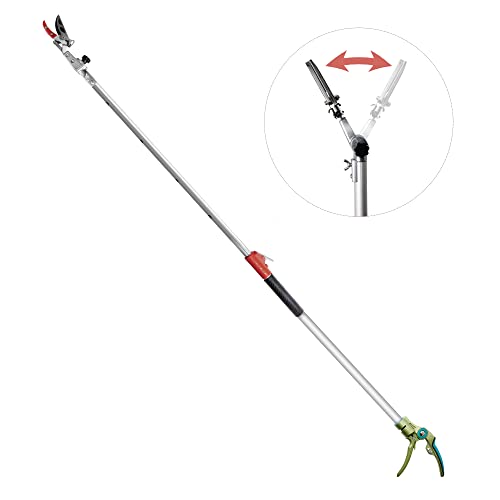
[Helpful Garden Tool] GARTOL brings to you a lightweight and extendable pruning tool to reach out to the least approachable arenas of your garden. You can conveniently get across other plants to remove the fastgrowing brambles and sting nettles without getting scratched or hurt. For gardening lovers, the telescopic pruner cutter head can can be rotated which resolves mobility issues and gives you the pleasure of trimming your garden without bending down or using a ladder to climb and cut them.

Reduce Hand Strain: These micro tip snips are made to reduces hand fatigue which makes them great for those with arthritis, carpal tunnel, hand or wrist issues; Comfortable “grip” handles will make it easy to work for long-time use without making you feel hand pain

CLEAN CUTS FOR LIVE GROWTH: Bypass blade design is ideal for pruning delicate flower stems and green growth, helping reduce crushing and plant damage while cutting stems and small branches up to 5/8” in diameter
Recommended Tools for Espalier
- Pruning Shears: Use clean, sharp pruning shears for accurate cuts. They help maintain the shape and health of your trees by removing unwanted branches.
- Garden Twine or Wire: Select durable garden twine or wire to secure branches. Rust-resistant materials work best for longevity.
- Trellis or Support Structure: Choose a sturdy trellis that suits your garden style. Options include wooden, metal, or even lattice designs.
- Measuring Tape: Measure the distances between branches and the support structure. Precision ensures even training and growth.
- Ladder: Use a ladder to reach higher branches safely. Ensure it’s stable before climbing.
- Gloves: Wear gardening gloves to protect your hands from thorns and other rough surfaces.
Choosing the Right Fruit Trees
Select fruit trees that thrive in your climate and are suitable for espalier training. Here are some great options:
- Apple Trees: Many apple varieties adapt well to espalier. Choose disease-resistant types like ‘Honeycrisp’ or ‘Liberty’.
- Pear Trees: Look for varieties such as ‘Bartlett’ or ‘Bosc’ that grow upright and establish structured shapes.
- Citrus Trees: Citrus trees like ‘Lemon’ or ‘Lime’ also perform well in espalier forms; they benefit greatly from sunlight exposure.
- Cherry Trees: Sweet cherry varieties provide beautiful blossoms and fruit, making them excellent choices for ornamental effect.
With these tools and tree types in mind, you can easily embark on your espalier journey, enhancing both your gardening skills and your outdoor space.
Steps to Train Fruit Trees Espalier
Training fruit trees as espalier involves several key steps to ensure healthy growth and a beautiful design. Here’s how to get started.
Recommended Products

【ERSATILE MOUNTING】: Designed for wall mounting on concrete, stucco, brick, masonry, siding, facade panels, or wood/vinyl fences. (Hollow walls require specialized expansion anchors). Ideal for outdoor climbing plants such as star jasmine, clematis, climbing roses, bougainvillea, grapevines, passion fruit, espalier fruit trees, and more

Durable And Long-lasting : Our dragon fruit plant rack is designed specifically for climbing plants such as dragon fruit. This dragon fruit trellis is forged from high-quality metal materials and has excellent durability, ensuring reliable support under various indoor and outdoor conditions.

- Versatile Gardening Companion: Our dragon fruit trellis serves as a multifunctional support system not only for dragon fruit plants but also for a variety of climbing vines and ornamental trees. It accommodates an array of vegetables, including tomatoes, eggplants, bell peppers, and green beans, making it an essential addition to every plant lover's gardening toolkit.
Preparing the Site and Soil
- Choose the Right Location: Select a sunny spot with at least 6–8 hours of sunlight daily. Ensure the area has good drainage and is sheltered from harsh winds.
- Test the Soil: Conduct a soil test to check pH and nutrient levels. Ideal pH for most fruit trees is between 6.0 and 7.0.
- Amend the Soil: Add organic matter or compost to improve soil structure. Aim for a rich, loamy texture that retains moisture and provides essential nutrients.
- Install the Support Structure: Set up a trellis or wiring system before planting. Use sturdy posts and horizontal wires spaced about 12 inches apart for future branch support.
Planting and Initial Training
- Select Your Trees: Choose healthy, young trees suited for espalier, like ‘Honeycrisp’ apples or ‘Bartlett’ pears.
- Space Appropriately: Space the trees about 3–4 feet apart, giving enough room for air circulation and growth.
- Planting Technique: Dig a hole twice the size of the root ball. Place the tree in the hole, ensuring the graft union sits above soil level. Fill in with soil and water thoroughly.
- Initial Training: Once planted, select the central leader and the first two side branches. Tie these branches gently to the trellis with garden twine or soft ties, encouraging horizontal growth while maintaining the central leader.
- Regular Inspections: Check your trees every few weeks. Look for pests, diseases, or any broken branches needing attention.
- Prune During Dormancy: Prune in late winter or early spring before new growth. Focus on maintaining the desired shape and removing any crossing branches.
- Encourage Growth: As new branches develop, tie them to the support structure. Ensure sufficient spacing to prevent overcrowding.
- Adjust Ties as Needed: Gradually loosen ties as branches thicken. This prevents girdling and allows for natural growth.
- Water and Fertilize: Water your trees regularly, especially during dry spells. Fertilize with a balanced fertilizer in early spring to encourage growth.
Following these steps ensures your espalier fruit trees grow healthy and produce abundant fruit while enhancing your landscape.
Common Mistakes to Avoid
Avoiding common mistakes helps ensure successful espalier training. Here are key pitfalls to watch for.
Over-pruning Risks
Over-pruning fruit trees can lead to stunted growth and reduced fruit production. You want to maintain a balance between shaping the tree and allowing for healthy foliage. Prune only during the dormant season and focus on removing dead or crossing branches. Aim for a clear framework structure with well-defined leaders and laterals. A good rule is to remove no more than one-third of the tree’s total growth in a single year.
Neglecting Watering Needs
Neglecting proper watering can jeopardize your espalier trees. Newly planted trees require consistent moisture for root establishment. Water thoroughly after planting, ensuring the soil remains moist but not waterlogged. During the growing season, establish a routine of deep watering once a week. Adjust frequency based on rainfall and temperature. Monitoring the soil moisture level with your finger can help guide your watering regime, promoting strong, healthy growth.
Conclusion
Espalier training can transform your garden into a stunning visual masterpiece while providing delicious fruit. By following the right techniques and avoiding common pitfalls you’ll not only enjoy the beauty of your trees but also the satisfaction of a fruitful harvest.
Remember to choose the right varieties for your space and stay consistent with your maintenance routine. With a little patience and care your espaliered fruit trees will thrive and become a cherished part of your garden for years to come. Enjoy the journey of creating your own unique living artwork!
Frequently Asked Questions
What is espalier gardening?
Espalier gardening is a technique that trains fruit trees to grow flat against a wall or trellis. This ancient practice not only saves space but also enhances garden aesthetics and eases harvesting. It combines horticulture and art through specific pruning and training methods.
What are the benefits of espalier?
Espalier offers several benefits, including efficient use of space, better sunlight exposure for fruit production, easier maintenance with accessible branches, improved pest management through open canopies, and added ornamental value to your garden.
Which fruit trees are best for espalier?
Common fruit trees suitable for espalier include disease-resistant apple trees like ‘Honeycrisp’, upright-growing pear trees such as ‘Bartlett’, sunlight-loving citrus trees like ‘Lemon’, and ornamental cherry trees. These varieties thrive with the espalier technique.
What tools do I need for espalier training?
Essential tools for espalier training include pruning shears, garden twine or wire, a sturdy trellis, measuring tape, a ladder, and gloves. These tools help effectively prune, train, and maintain your fruit trees.
How do I start training fruit trees as espalier?
To start training fruit trees as espalier, first prepare the site and plant the trees correctly. Regular maintenance is crucial—ensure consistent watering and fertilization for healthy growth and fruit abundance.
What common mistakes should I avoid when espaliering?
Avoid over-pruning your trees, as this can stunt growth and reduce fruit yield. Prune only during the dormant season, removing no more than one-third of growth each year. Also, ensure proper watering for newly planted trees to establish roots effectively.
