

Have you ever wondered if fall is the right time to plant fruit trees? You’re not alone. Many gardeners face the dilemma of when to start their fruit tree journey, especially as the leaves begin to change and the air turns crisp.
Planting in the fall can be a game-changer for your garden. It allows trees to establish roots before winter, setting them up for a fruitful spring. In this article, you’ll discover the benefits of fall planting, tips for success, and what to consider as you plan your orchard. Whether you’re a seasoned gardener or just starting out, you’ll find valuable insights to help you make the best decision for your fruit trees.
Key Takeaways
- Fall Planting Benefits: Planting fruit trees in the fall promotes root establishment, reduces competition for nutrients, and provides optimal moisture levels, leading to healthier trees in spring.
- Ideal Varieties: Choose apple, pear, cherry, and plum trees for successful fall planting, as these varieties thrive in cooler months and can adapt well to various climates.
- Soil Preparation: Before planting, ensure proper soil preparation by testing pH, improving drainage, aerating the soil, and ensuring clean planting holes to support healthy root growth.
- Watering Techniques: Implement effective watering strategies such as thorough watering post-planting, monitoring soil moisture, and using mulch to retain moisture and regulate soil temperature.
- Weather Monitoring: Keep an eye on local weather conditions to protect young trees from sudden temperature drops and hard freezes, ideally planting at least four to six weeks prior to frost.
- Pest Management: Regularly check for pest activity around newly planted trees in the fall and utilize organic pest control methods to protect your orchard’s health.
Understanding Fruit Tree Planting
Planting fruit trees in the fall offers significant advantages. This section explores the benefits of fall planting and key factors to consider for success.
Benefits of Fall Planting
- Root Establishment: Planting trees in fall allows roots to grow and establish before winter. Adequate growth leads to healthier trees in spring.
- Reduced Competition: With fewer weeds and plants competing for nutrients in fall, your young trees can thrive more easily.
- Moisture Retention: Cooler temperatures and increased rainfall provide optimal moisture levels, helping your trees settle into their new environment.
- Early Growth: Trees planted in fall benefit from earlier growth in spring, leading to increased fruit production in the following seasons.
- Hardiness Zones: Know your local climate zone. Some trees are better suited for specific zones and may struggle in others.
- Soil Preparation: Test and prepare your soil before planting. Good drainage and nutrient-rich soil improve tree health.
- Type of Fruit Tree: Select varieties that fare well when planted in fall. Apples and pears often thrive when planted in this season.
- Weather Conditions: Monitor weather forecasts. Planting before a hard freeze ensures roots establish properly without stress.
- Mulching: Apply mulch after planting. Mulch conserves moisture, regulates soil temperature, and suppresses weeds.
Considering these factors helps ensure successful growth when you choose to plant fruit trees in the fall.
Ideal Fruit Trees for Fall Planting
Planting fruit trees in the fall can set you up for a successful growing season. Certain varieties thrive when planted in cooler months, effectively establishing roots before winter.
Recommended Products

Garden Adaptability: Suitable for various garden spaces and container growing; Different varieties thrive in USDA zones 3-9; Includes both sun-loving and partial shade tolerant plants

Product Quantity: 180+ premium bonsai fruit seeds across 5 varieties; Individual packs contain 40+ apple, 40+ lemon, 40+ orange, 20+ blueberry, and 40+ cherry seeds; Perfect for starting a diverse miniature orchard

4 kinds of the most popular fruits, individually packaged, 50pcs Lemon seeds 50pcs Cherry seeds 50pcs Orange seeds 50pcs Apple seeds Fresh seeds, all fruit seeds are packed in tear and moisture resistant zipper sealed bags for your long term storage.
Popular Varieties
Consider these fruit trees for fall planting:
- Apple Trees: Varieties like ‘Honeycrisp’ and ‘Fuji’ adapt well to many climates and grow vigorously in spring.
- Pear Trees: ‘Bartlett’ and ‘Anjou’ are excellent choices, offering delicious fruits and great pollination compatibility.
- Cherry Trees: Sweet ‘Bing’ and tart ‘Montmorency’ cherry trees flourish with added privacy and ornamental value.
- Plum Trees: ‘Stanley’ and ‘Methley’ are reliable producers that adapt to various soil conditions.
Choose these varieties for successful fall planting and rewarding harvests.
Regional Variations
Selecting the right trees also depends on your region.
- Northern Regions: In colder areas, opt for cold-hardy varieties like ‘Haralson’ apple and ‘Mount Royal’ plum, both able to withstand harsh winters.
- Southern Regions: In warmer climates, consider ‘Clementine’ oranges or ‘Fuyu’ persimmons, which do well in mild winters and hot summers.
- Midwestern Regions: ‘Sweet 100’ cherry tomatoes and ‘Red Haven’ peaches thrive in the transitional climate, offering great yields.
Understanding your local climate helps you choose varieties that thrive in fall planting.
Best Practices for Planting in Fall
Planting fruit trees in the fall can lead to a thriving orchard when you follow best practices designed for this time of year. Focus on soil preparation and watering techniques to establish healthy roots.
Recommended Products
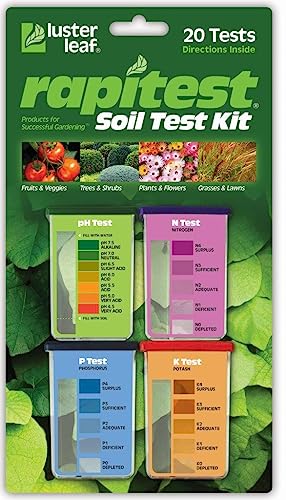
Quick, at home results for Soil pH, Nitrogen, Phosphorous and Potash Innovative and inexpensive soil test kit features an easy-to-use capsule system and patented color comparators

KNOW BEFORE YOU GROW | Grow the healthiest, sustainable lawn and garden with the most accurate and easy to use professional soil test kit on the market

Accurate Soil pH Testing: Dewildetradingco Soil pH Test Strips offer measurements of soil pH levels (pH 3.5-9). As an essential tool for every gardener and grower, these test strips help determine the optimal pH for various plants, such as outdoor plants, indoor plants, gardens, grass lawns, fruit trees, flowers, vegetables, and forest shrubs.
Soil Preparation
Prepare your soil before planting to ensure optimal growth conditions.
- Test Soil pH: Aim for a pH of 6.0 to 7.0 for most fruit trees. Use a soil test kit to determine acidity.
- Improve Drainage: If your soil retains water, add organic matter like compost to enhance drainage and nutrient content.
- Loosen Soil: Use a garden fork or tiller to aerate the soil, allowing roots to penetrate deeper and access required nutrients.
- Clear Debris: Remove rocks, weeds, and old roots from the area where you’ll plant. This reduces competition and promotes healthy growth.
- Create Planting Holes: Dig holes wider and deeper than the root ball of your selected trees. This gives the roots ample space to spread.
Watering Techniques
Watering effectively after planting is crucial for root establishment.
- Water Thoroughly: After planting, give each tree a deep watering. Aim for about 10 to 15 gallons of water per tree.
- Monitor Moisture: Check soil moisture weekly. The top couple of inches should dry out between waterings but not become completely dry.
- Use Drip Irrigation: Consider a drip irrigation system for consistent moisture, helping to avoid overwatering while keeping the soil damp.
- Apply Mulch: Spread a 2 to 4-inch layer of organic mulch around the base of each tree to retain moisture and regulate soil temperature.
- Adjust for Weather: Pay attention to rainfall. Depending on weather conditions, you may need to adjust your watering schedule to prevent root rot.
By focusing on these soil preparation and watering techniques, you create the ideal environment for your fruit trees to grow strong and healthy in the fall.
Potential Challenges
Planting fruit trees in the fall involves some challenges. Understanding these potential issues helps you prepare for a successful planting season.
Weather Conditions
Weather plays a significant role in fall planting success. Sudden temperature drops can stress newly planted trees. If a hard freeze occurs before the trees establish roots, it can damage young plants. Monitor local weather forecasts and consider using frost blankets to protect trees from unexpected cold snaps. Planting at the right time, ideally four to six weeks before the first expected frost, allows roots to settle in before winter.
Pest Management
Pest activity might increase in the fall as insects seek shelter before winter. Some pests target newly planted trees, making pest management crucial. Inspect trees regularly for signs of infestation, such as chewing on leaves or the presence of sap. Consider using organic pesticides or insecticidal soaps if needed. Planting pest-resistant varieties can also minimize risks. Keeping your planting area clean and free from debris reduces nesting places for pests, improving overall tree health.
Conclusion
Planting fruit trees in the fall can be a fantastic choice for your garden. With the right preparation and care you can set your trees up for success as they establish strong roots before winter arrives.
Choosing the right varieties for your climate is key to enjoying a bountiful harvest in the seasons to come. Keep an eye on weather conditions and be proactive about pest management to ensure your young trees thrive.
By following these tips you’ll be well on your way to creating a fruitful orchard that brings joy and delicious produce for years to come. Happy planting!
Frequently Asked Questions
Why is fall the best time to plant fruit trees?
Fall is the ideal time to plant fruit trees because it allows them to establish their roots before winter. This leads to stronger growth in the spring, improved root establishment, and enhanced fruit production in subsequent seasons.
What are the benefits of planting fruit trees in the fall?
Planting fruit trees in the fall results in better root establishment, reduced weed competition, optimal moisture retention, and earlier growth in spring. These factors contribute to healthier trees and increased fruit yields.
Which fruit trees are best for fall planting?
Recommended fruit trees for fall planting include ‘Honeycrisp’ and ‘Fuji’ apple trees, ‘Bartlett’ and ‘Anjou’ pears, ‘Bing’ and ‘Montmorency’ cherries, and ‘Stanley’ and ‘Methley’ plums. Choose varieties suited to your local climate for the best results.
How do I prepare the soil for fall planting?
To prepare soil for fall planting, test the pH, improve drainage with organic matter, loosen the soil for aeration, clear debris, and create appropriately sized planting holes to promote healthy root development.
What are the best watering techniques for newly planted trees?
After planting, thoroughly water each tree and monitor soil moisture regularly. Use drip irrigation for consistent moisture, apply mulch to retain water, and adjust watering based on weather conditions to ensure healthy growth.
What challenges should I watch for when planting in the fall?
Watch for potential challenges like sudden temperature drops, which can stress newly planted trees. Monitor local forecasts, use frost blankets, and inspect for pests, applying organic pesticides as needed to protect young trees.
How can I ensure good fruit production from my trees?
To promote good fruit production, select the right tree varieties for your climate, ensure proper soil preparation and watering, and regularly monitor for pests and diseases. Healthy trees will yield better fruit in the long run.
