

Banana trees can thrive in Gilbert, AZ, with the right care and conditions. Proper soil, temperature management, and irrigation techniques are essential for successful growth in this desert environment.
Desert-Adapted Banana Tree Varieties
Different banana tree varieties have varying tolerances to heat and drought. In Gilbert, the Dwarf Cavendish and Lady Finger are popular choices due to their adaptability. These varieties can produce fruit within 9 to 12 months, making them ideal for home gardeners.
When selecting a variety, consider the following factors:
Climate tolerance: Some varieties handle heat better.
Fruit size and taste: Different types offer unique flavors.
Height and space: Dwarf varieties are suitable for smaller gardens.
Soil Preparation for Banana Trees in Desert Conditions
Growing banana trees in Gilbert, AZ requires careful soil preparation to thrive in the desert climate. The unique challenges posed by arid conditions necessitate specific strategies to enhance soil quality and moisture retention. Understanding these techniques will help ensure successful cultivation of banana trees in this region.
Soil quality is crucial for healthy banana trees. The ideal soil should be well-draining and rich in organic matter. Conduct a soil test to determine pH and nutrient levels, aiming for a pH between 5.5 and 7.0.
To prepare the soil, follow these steps:
Amend soil with compost or aged manure to improve fertility.
Ensure drainage by mixing in sand or perlite if the soil is clay-heavy.
Create mounds or raised beds to enhance drainage and warmth.
| Soil Component | Recommended Ratio |
|---|---|
| Compost | 30% |
| Sand | 20% |
| Native Soil | 50% |
Recommended Products

100% Natural: Custom blend for your indoor potted banana trees

100% Natural: Special custom blend for the “Desert Rose” plant (Adenium Obesum) ; no artificial ingredients

🌱 High-Quality Ingredients: Our Banana Tree Potting Mix is carefully crafted using premium ingredients such as Canadian Peat Moss, New Zealand Bark, Worm Castings, Perlite, Sand, and Lime, ensuring optimal nutrition and growth for your banana trees.
Watering Strategies for Banana Trees in Gilbert
Growing banana trees in Gilbert, AZ requires careful attention to watering strategies due to the region’s arid climate. Proper irrigation techniques are essential for ensuring these tropical plants thrive despite the desert conditions. This section will explore effective watering practices tailored to the unique challenges of cultivating banana trees in this environment.
Banana trees require consistent moisture but cannot tolerate standing water. In Gilbert’s arid climate, establish a regular watering schedule to maintain soil moisture without over-watering.
Consider these watering guidelines:
Frequency: Water deeply once a week during hot months.
Method: Use drip irrigation or soaker hoses for efficient watering.
Mulching: Apply organic mulch to retain moisture and regulate soil temperature.
Recommended Products
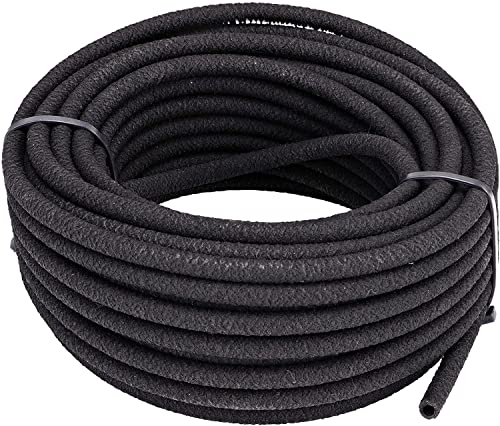
Slowly waters the soil around your plants for complete root zone hydration; Ideal for short runs on flat surfaces, such as vegetable gardens, borders, and around small plants

【Even & Consistent Root Watering】Features micro-pore seepage technology that distributes water evenly along the entire hose, transforming spot watering into uniform line watering directly to plant roots. Unlike traditional drip irrigation systems with clog-prone emitters, this soaker hose creates a continuous moisture band for healthier, deeper-rooted plants
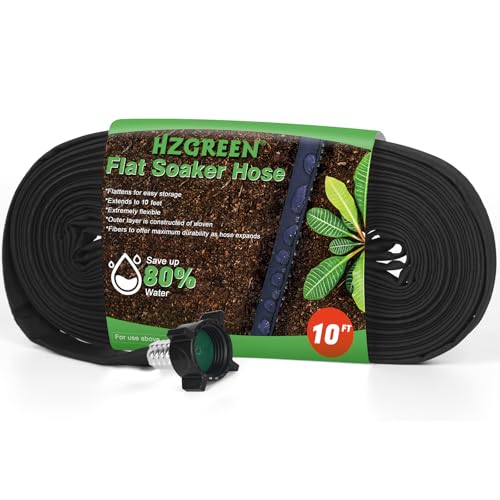
【80% Water Saving】The flat soaker hose adopts a double-layer design, so that the water can penetrate to the roots of the plants along the flat soaker hose , and will not be wasted everywhere.Leaks at a rate of 1 gallon per 1 minute under conventional 50 PSI.
Extreme Temperature Protection for Banana Trees
In Gilbert, AZ, where temperatures can swing to extremes, protecting banana trees is crucial for their survival and growth. Understanding effective strategies to shield these tropical plants from harsh conditions will help ensure they thrive in the desert climate. This section explores practical methods to safeguard banana trees against temperature fluctuations.
Gilbert experiences high temperatures, which can stress banana trees. Implement strategies to protect your plants from heat and cold.
Key protective measures include:
Shade cloth: Use during peak summer months to reduce sun exposure.
Frost protection: Cover trees with frost cloth during unexpected cold snaps.
Windbreaks: Plant wind-resistant shrubs nearby to shield trees from strong winds.
Fertilization Strategies for Banana Trees
Fertilizing banana trees in Gilbert, AZ requires a tailored approach to support their growth in the desert climate. Understanding the specific nutrient needs and timing can significantly enhance fruit production and overall health. This section outlines effective fertilization strategies to ensure your banana trees thrive in arid conditions.
Regular fertilization supports robust growth and fruiting. Use a balanced fertilizer designed for fruiting plants to provide essential nutrients.
Follow these fertilization tips:
Timing: Fertilize every 6-8 weeks during the growing season.
Type: Use a slow-release granular fertilizer or a liquid feed.
Application: Follow package instructions for proper dosage.
| Fertilizer Type | Application Rate |
|---|---|
| Granular | 1 cup per plant |
| Liquid | 1 gallon diluted per plant |
Pest and Disease Monitoring Strategies
In Gilbert, AZ, where the climate can be challenging for banana trees, effective pest and disease monitoring is essential for successful growth. Understanding common threats and implementing proactive strategies can help ensure the health of these tropical plants, allowing them to thrive in a desert environment. This section explores practical approaches to safeguard your banana trees from potential issues.
Pests and diseases can hinder banana tree growth. Regular monitoring is essential for early detection and management.
Common issues include:
Aphids: Small insects that suck sap from leaves.
Fungal infections: Can cause leaf spots and wilting.
Nematodes: Microscopic worms that damage roots.
Implement these control measures:
Insecticidal soap: Use for aphid infestations.
Fungicides: Apply at the first sign of fungal diseases.
Crop rotation: Prevent nematode buildup by rotating planting areas.
Banana Harvesting Techniques for Desert Gardens
Harvesting bananas in desert gardens like those in Gilbert, AZ requires specific techniques to ensure the best yield. Given the unique climate and conditions, understanding the right timing and methods for harvesting can significantly impact the quality and quantity of your banana crop. This section will explore effective strategies tailored for successful banana harvesting in arid environments.
Once your banana trees mature, harvesting is straightforward. Wait until the bananas are plump and the skin begins to yellow.
Follow these harvesting steps:
Cut the bunch using a sharp knife.
Handle carefully to avoid bruising.
Ripen indoors if needed by placing in a paper bag.
Bananas can be enjoyed fresh or used in various recipes, adding a tropical flavor to your meals.
Planting banana trees in Gilbert, AZ, requires careful attention to soil, water, and temperature management. Implement these strategies to ensure a fruitful harvest.
