

Have you ever looked out at your fruit trees only to find them stripped bare by hungry squirrels? You’re not alone. Many gardeners face this frustrating challenge, watching their hard work vanish overnight.
Key Takeaways
- Understanding Squirrel Behavior: Squirrels are attracted to fruit trees for their sweet, energy-rich offerings and natural instinct to gather food, making it crucial to develop effective deterrents.
- Impact on Fruit Yield: Squirrels can significantly reduce fruit production by stripping branches and causing premature dropping of developing fruit, emphasizing the need for protective measures.
- Preventative Measures: Planting barrier plants, installing squirrel-proof fencing, and utilizing deterrents can protect fruit trees from squirrel raids and ensure a better harvest.
- Natural and Commercial Deterrents: Employing natural repellents like peppermint oil and cayenne pepper, along with commercial products like ultrasonic repellers and motion-activated sprinklers, can effectively deter squirrels.
- Regular Maintenance: Regular tree care, such as pruning, mulching, and monitoring for pests, supports healthy trees and reduces accessibility for squirrels.
- Monitoring Activity: Keeping track of squirrel presence through observation and documentation allows for timely intervention and strategic deterrent application to protect your fruit trees.
Understanding Squirrel Behavior
Squirrels are resourceful creatures that often raid fruit trees. Understanding their behavior helps you develop effective deterrents.
Why Squirrels Target Fruit Trees
Squirrels are drawn to fruit trees due to several factors. First, they seek food sources high in sugars and fats, which provide essential energy. Secondly, the trees offer a convenient vantage point for observing their surroundings. Third, squirrels have a natural instinct to gather and store food for winter. Their preference for ripe, easy-to-reach fruit makes your trees particularly appealing.
The Impact on Fruit Yield
Squirrels can significantly affect the fruit yield of your trees. They often strip branches bare, leading to less fruit production. In addition, they can damage developing fruit, causing premature dropping. For example, if a squirrel munches on young apples, the remaining fruit may not reach maturity. Understanding this impact reinforces the need for preventive measures to protect your trees and maximize your harvest.
Preventative Measures
Taking steps to prevent squirrels from raiding your fruit trees can save your harvest and protect your hard work. Here are effective methods to keep these crafty critters at bay.
Recommended Products

Size: Deer netting size 7 feet x 100 feet; garden netting mesh size 3/4"; color: black; Easy to use accessories included: 10pcs installation nails & 50pcs cable ties

Planting Barrier Plants
Consider planting barrier plants around your fruit trees. Species like marigolds and mint emit scents that can deter squirrels. Position these plants within a few feet of the trees to create a natural barrier. Additionally, thorny bushes, like blackberries or raspberries, can make it more challenging for squirrels to reach your trees. This strategy not only protects your fruits but also adds beauty to your garden.
Using Squirrel-Proof Fencing
Installing squirrel-proof fencing is a direct and effective method. Use hardware cloth or welded wire fencing at least 3-4 feet tall. Bury the bottom edge 12 inches deep to prevent burrowing. Make sure the fencing curves outward at the top, which can thwart squirrels from jumping over. For added security, you can even create a barrier around newly planted trees. This fencing approach stops squirrels before they can start feasting on your fruits, ensuring a more robust harvest.
Deterrents and Repellents
Utilizing deterrents and repellents offers effective methods to keep squirrels away from your fruit trees. Several options exist, ranging from natural solutions to commercial products.
Recommended Products

Keep Squirrels & Chipmunks from Digging, Chewing, & Nesting: Protect gardens, bird feeders, attics, garages, and vehicles from destructive small animals. This squirrel repellent spray creates a sensory barrier through smell, taste, and touch that squirrels and chipmunks instinctively avoid. Do not apply to plants, as burning may occur. Apply to surrounding areas only.

Fast Acting, Easy to Use, and Dries Clear: Keep Squirrels Out of Your Garden! Works as a repellent and training tool for Chipmunks & Squirrels. Squirrel Mace works as a flower bulb protection spray. Powerful, with a high percentage of active Ingredients. Lasting protection, with weather-resistant sticking agents. Keep squirrel & chipmunks from destroying trees, planters and bird feeders/safe to use around children & plants.

Keep Squirrels & Chipmunks from Digging, Chewing, & Nesting: Shake vigorously for 30 seconds before each use to prevent clogging. Reapply after heavy rain for continued effectiveness. Do not apply to plants, as burning may occur. This squirrel repellent spray protects gardens, bird feeders, attics, garages, and vehicles from destructive small animals by creating a sensory barrier through smell, taste, and touch that they instinctively avoid.
Natural Repellents
Natural repellents can help deter squirrels without harming the environment. Consider these options:
- Peppermint Oil: Mix peppermint oil with water in a spray bottle. Spray it around the base of your trees and on the foliage. Squirrels dislike the strong scent, making them less likely to approach.
- Cayenne Pepper: Sprinkle cayenne pepper or a mix of hot pepper flakes around the tree base. The spicy taste can discourage squirrels from eating the fruit.
- Garlic Spray: Blend garlic cloves with water, strain the mixture, and spray it on your trees. The pungent aroma of garlic can repel squirrels effectively.
- Predator Urine: Purchase predator urine from garden supply stores. Applying it around your trees can create the illusion of danger, prompting squirrels to stay away.
Commercial Squirrel Deterrents
Commercial products provide additional options for keeping squirrels at bay. Explore these solutions:
- Squirrel Repellent Sprays: Look for non-toxic sprays specifically designed to deter squirrels. Check that these products contain bittering agents or natural ingredients that make fruit unappealing.
- Ultrasonic Repellers: Install ultrasonic devices that emit high-frequency sounds, undetectable to humans but bothersome to squirrels. These devices can cover large areas, protecting multiple trees.
- Barriers and Traps: Consider using mesh bags or netting to enclose individual fruits or clusters. This physical barrier prevents squirrels from accessing fruit directly.
- Motion-Activated Sprinklers: Setting up motion-activated sprinklers around your trees can startle squirrels when they approach. The sudden spray of water helps to discourage them from returning.
By utilizing these deterrents and repellents, you can effectively protect your fruit trees from squirrel damage.
Maintenance and Observation
Keeping an eye on your fruit trees and maintaining them helps reduce squirrel activity. Regular check-ups and timely interventions support healthy growth while deterring these pests.
Regular Tree Maintenance
Perform regular pruning to remove excess branches. This practice maintains a clear structure, making it harder for squirrels to access the fruit. Aim for an open canopy to improve airflow and sunlight penetration.
Apply mulch around the base of your trees. Use wood chips or bark to insulate roots and reduce the appearance of fallen fruit, which attracts squirrels. Replace mulch every few months to maintain its effectiveness.
Fertilize your trees to promote healthy growth. Strong trees produce more fruit, which can withstand squirrel damage better. Use organic fertilizers for the best results and to protect the environment.
Check for pests or diseases regularly. Treating these issues promptly can help improve the tree’s overall health, making it less appealing to squirrels. Focus on organic and environmentally friendly treatments when possible.
Monitoring Squirrel Activity
Watch for signs of squirrel presence. Look for chewed fruit, gnaw marks on branches, or droppings under your trees. Early detection can help you implement deterrent measures quickly.
Set up a camera to observe squirrel behavior. A motion-activated camera provides insight into when squirrels visit your trees and what strategies they use. Use this information to target your deterrent efforts effectively.
Track fruit development stages. Monitor when your fruit starts to ripen, as squirrels tend to be more active during this time. Increased vigilance during these periods can help protect your harvest.
Create a log of your observations. Note squirrel activity patterns and any effective deterrents you use. This information can help you refine your approach over time.
Conclusion
Protecting your fruit trees from squirrels doesn’t have to be a daunting task. By understanding their behavior and employing a mix of deterrents and barriers you can keep these pesky critters at bay.
Regular maintenance and observation are key to staying one step ahead. With a bit of effort and the right strategies you can enjoy a fruitful harvest without the frustration of squirrel damage.
So go ahead and implement these tips and watch your trees thrive while keeping those squirrels in check. Happy gardening!
Frequently Asked Questions
Recommended Products
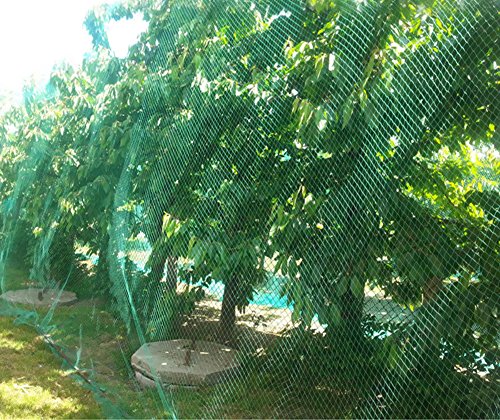
Excellent Material & Quality: Our bird netting is made of strong and durable PE with high stretch, light-weight but not tear easily; It is anti-UV and tough enough to withstand the effects of the sun and bad weather conditions, so you can use the garden netting repeatedly until the end of the season; The size of the poultry netting mesh refers to the measured length straightened from the far left to the far right

Unlike the Squirrel Baffle, our squirrel spikes can be easily bent and wrapped around a variety of types and sizes of surfaces, including bird feeder poles, trees, fences, and pipes.

Iguanas & Rodents Barrier: Our iguana tree wrap is designed to stop iguanas, squirrels, rodents, and even cats from climbing tree trunks. The ultra-smooth PET surface reduces claw friction, making it difficult for animals to grip and climb. This helps protect your trees, roof, attic, and garden from unwanted animal intrusion and damage
Why are squirrels attracted to my fruit trees?
Squirrels are drawn to fruit trees because of their high sugar and fat content. They see these trees as a convenient food source to gather resources for winter, making them a common nuisance for gardeners.
What impact do squirrels have on fruit yield?
Squirrels can significantly reduce fruit yield by stripping branches and damaging developing fruit. This not only leads to lower production but can also cause premature dropping of fruit before it ripens.
How can I protect my fruit trees from squirrels?
To protect your fruit trees, consider planting barrier plants, installing squirrel-proof fencing, and using natural deterrents like peppermint oil or cayenne pepper. Regular maintenance and observation can also help reduce squirrel activity.
What are some effective natural repellents for squirrels?
Effective natural repellents include peppermint oil, cayenne pepper, and garlic spray. These can deter squirrels without harming the environment while creating an unpleasant scent or taste for them.
How tall should my squirrel-proof fencing be?
Squirrel-proof fencing should be at least 3-4 feet tall and buried 12 inches deep to prevent digging. Additionally, the top should curve outward to stop squirrels from jumping over.
Is there a way to monitor squirrel activities in my garden?
Yes, setting up a camera to observe squirrel behavior can be very helpful. This allows you to track their activities and identify the most effective strategies for deterring them over time.
