

Have you ever dreamed of picking fresh fruit right from your backyard? If you live in Colorado, you might be wondering if it’s even possible to grow fruit trees in such a unique climate. With its high altitude and varying temperatures, Colorado presents both challenges and opportunities for budding gardeners.
This article will help you navigate the ins and outs of growing fruit trees in the Centennial State. You’ll learn about the best varieties to choose, tips for planting, and how to care for your trees throughout the seasons. By the end, you’ll be ready to transform your outdoor space into a fruitful oasis.
Key Takeaways
- Fruit Tree Selection: Choose cold-hardy varieties like Honeycrisp apples, Montmorency cherries, and Reliance peaches to thrive in Colorado’s unique climate.
- Optimal Planting Time: Plant fruit trees in early spring, ideally mid to late April, to allow roots to establish before warmer temperatures set in.
- Soil and Care: Use well-draining soil rich in organic matter and ensure proper spacing (15-20 feet apart) for healthy growth and air circulation.
- Seasonal Maintenance: Regular pruning, deep watering, and early spring fertilization are crucial for promoting robust growth and maximizing fruit yield.
- Pest and Disease Management: Monitor trees for pests and diseases like aphids and powdery mildew, employing integrated pest management and selecting resistant varieties to mitigate risks.
- Weather Preparedness: Be mindful of Colorado’s temperature fluctuations and late spring frosts; protective measures like row covers can help safeguard young trees.
Overview of Fruit Trees in Colorado
Growing fruit trees in Colorado presents unique challenges. The state’s high altitude affects temperature and weather patterns. You can successfully cultivate fruit trees with careful selection and proper care.
Suitable Fruit Tree Varieties
Consider varieties that thrive in cooler climates. Popular options include:
- Apples: Choose hardy varieties like Honeycrisp or Liberty.
- Cherries: Look for sour cherries such as Montmorency.
- Peaches: Opt for cold-hardy selections like Reliance.
- Plums: European plums are suited for higher elevations.
Research local nurseries for varieties adaptable to Colorado’s climate.
Planting Tips
Timing matters when planting fruit trees in Colorado. Follow these guidelines:
- Early Spring: Ideal for planting, allowing roots to establish before summer heat.
- Soil Preparation: Ensure well-draining soil. Amend with compost for nutrients.
- Spacing: Space trees appropriately (typically 15-20 feet apart) to ensure healthy growth.
Seasonal Care
Fruit trees require attention throughout the year. Key practices include:
- Pruning: Regular pruning in late winter fosters healthy growth and increases fruit yield.
- Watering: Water new trees deeply and regularly until established. Adjust frequency based on rainfall.
- Fertilization: Use a balanced fertilizer in early spring to promote vigor.
Addressing Common Concerns
You might worry about pests and diseases. Integrated pest management strategies can help. Monitor trees regularly for signs of trouble. Implement preventive measures, such as:
- Using Insect Barriers: Protect young trees from common pests.
- Selecting Disease-Resistant Varieties: Choose trees known for their resistance.
With the right choices and practices, Colorado’s fruit trees can flourish, providing delicious produce for your enjoyment.
Climate Considerations
Colorado’s climate, with its high altitude and varying temperatures, significantly impacts fruit tree growth. Understanding the specific conditions is crucial for successful cultivation.
Temperature Zones
Colorado’s temperature zones vary, influencing what fruit trees thrive. Generally, the state falls into USDA hardiness zones 3 to 7. Zone 3 features colder winters, suitable for hardy varieties like apples and sour cherries. Zone 4 supports cold-hardy peaches and most European plums, while zones 5 to 7 can accommodate a wider range of fruit trees. Check your local zone to select appropriate species for your area.
Growing Seasons
The growing season in Colorado can be relatively short, often lasting between 90 to 150 days. Most fruit trees benefit from early spring planting. Timing your planting is critical; aim for mid to late April once the risk of frost decreases. Keep an eye on local frost dates for your area. You can extend your growing season by using protective measures like row covers or greenhouses, allowing fruit trees to thrive despite temperature fluctuations. Regular monitoring of soil and weather conditions helps ensure optimal growth.
Suitable Fruit Trees for Colorado
Selecting the right fruit trees is essential for success in Colorado’s unique climate. Consider varieties that thrive in cooler temperatures and can withstand the state’s fluctuating conditions.
Apples
Apples are an ideal choice for Colorado gardens. Varieties like Honeycrisp, Fuji, and Gala perform well at higher elevations. Selecting disease-resistant options ensures a healthier harvest. Plant apple trees in early spring, ensuring full sun and well-draining soil. Regular pruning encourages robust growth and air circulation. Expect fruit in about 3 to 5 years after planting.
Pears
Pears also adapt well to Colorado’s environment. Look for cold-hardy varieties like Bartlett and Bosc. These trees thrive in similar conditions as apples. Pears require well-drained soil and proper spacing, typically about 15 to 20 feet apart. They benefit from regular watering during dry spells. You can enjoy fresh pears roughly 3 to 6 years after planting.
Cherries
Cherries flourish in Colorado’s climate, especially sour varieties like Montmorency. These trees withstand cold temperatures. When planting, choose a location with full sun and good airflow. Space them about 20 feet apart to prevent overcrowding. Cherry trees typically produce fruit within 4 to 7 years. Pruning post-harvest helps maintain shape and promote healthy growth.
Planting and Care Tips
Planting fruit trees in Colorado requires attention to soil, watering, and fertilizing needs. Following these tips ensures your trees thrive in the unique climate.
Recommended Products

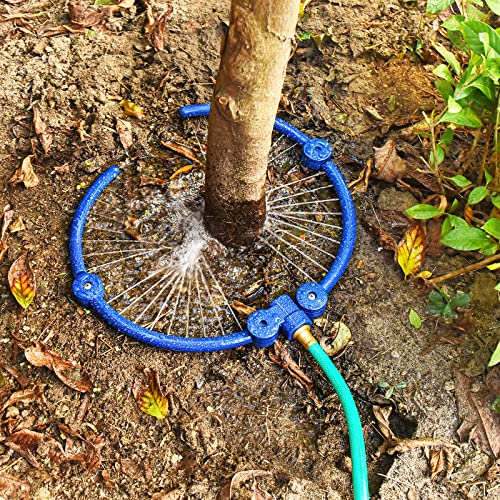
【Specially Designed for Trees and Shrubs】 The Watering Ring is a multi-purpose irrigation ring that attaches to a garden hose to efficiently water young trees shrubs vegetables or flower beds using drip or trickle irrigation.It directs water to the root perimeter of the plant to give them a good start during the first two growing seasons or through periods of drought.
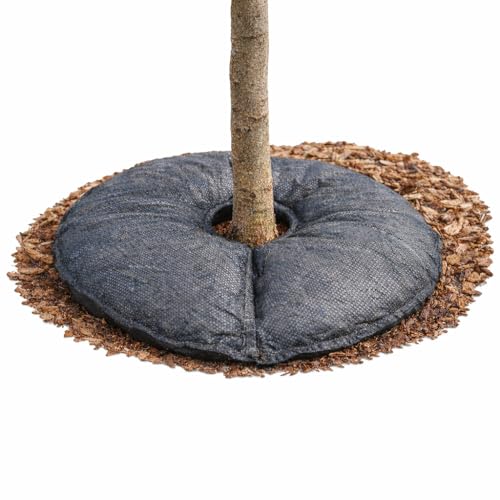
For Plants and Trees that with root balls about 12” in dia., (11-15”, e.g. 3-10 Gallon Container Sizes have top diameters between 11-15”) - Uses 99% LESS WATER than traditional tree bag over the course of multiple seasons for better establishment of the newly planted trees and shrubs! When the plant root ball is larger than 15”, the 36”, 48”, or multiple units of these larger sized SteadySpring Tree Mats are recommended to cover an area double of the root ball size or at least 20” larger than the root ball.
Soil Preparation
Start with well-draining soil. Test your soil’s pH; ideally, it should range from 6.0 to 7.0. Amend heavy clay soils with organic matter like compost to improve drainage and nutrient retention. When planting, dig a hole at least twice the width of the root ball and as deep as the roots extend. Loosen the bottom of the hole to promote root growth. Mixing in some native soil with compost helps blend nutrients and fosters healthy trees.
Watering and Fertilizing
Water deeply and less frequently. Aim for at least an inch of water per week, either through rainfall or irrigation. Water new trees more often—every 3 to 7 days—until they establish roots. Use mulch around the base to retain moisture and suppress weeds.
Fertilize in early spring. A balanced fertilizer, such as 10-10-10, supports growth. Apply according to package instructions, focusing on the area beneath the tree’s canopy. Adjust the feeding schedule as trees mature, gradually reducing frequency based on their health.
Challenges of Growing Fruit Trees in Colorado
Growing fruit trees in Colorado can pose several challenges due to its unique climate and environmental factors. Understanding these hurdles helps you better prepare for successful fruit cultivation.
Pests and Diseases
Pests and diseases can compromise fruit tree health. Common pests in Colorado include aphids, spider mites, and caterpillars. To manage these issues, regularly inspect your trees for signs of infestation. You can use insecticidal soap or neem oil as effective treatments. Additionally, consider planting companion plants that attract beneficial insects, which help control pest populations.
Diseases like powdery mildew and fire blight also pose risks. To combat these diseases, choose disease-resistant varieties when planting. Good air circulation reduces humidity levels around your trees, minimizing the chances of fungal infections. Regular pruning of infected branches can help prevent the spread of diseases.
Weather Extremes
Weather extremes present another challenge. Colorado experiences rapid temperature fluctuations, which can stress fruit trees. For instance, late spring frosts can damage blossoms, resulting in poor fruit production. To safeguard your trees, monitor local frost dates and use row covers or frost cloths during unexpected cold spells.
High winds may also occur, especially in open areas. These winds can lead to branch breakage and even uproot younger trees. Staking younger trees provides stability and protects them from harsh winds.
It’s important to also consider the region’s limited rainfall. Supplemental irrigation during dry spells keeps trees healthy and productive. Use drip irrigation to deliver consistent moisture while conserving water.
By understanding these challenges and implementing effective strategies, you can cultivate thriving fruit trees in Colorado’s unique environment.
Conclusion
Growing fruit trees in Colorado is definitely possible with the right approach. By choosing hardy varieties and following proper planting and care techniques, you can enjoy a bountiful harvest. Remember to pay attention to your local climate and frost dates to give your trees the best chance at thriving.
With a little patience and effort, your backyard can become a fruitful oasis. Whether you’re after crisp apples or sweet cherries, the joy of picking your own fruit makes it all worthwhile. So grab your gardening gloves and get started on this rewarding journey. Happy gardening!
Frequently Asked Questions
What fruit trees grow well in Colorado’s climate?
Colorado’s unique climate allows for the growth of several fruit trees, including hardy apples, sour cherries, cold-hardy peaches, and European plums. Specific varieties such as Honeycrisp, Fuji, and Montmorency are particularly well-suited for higher elevations and cooler temperatures.
When is the best time to plant fruit trees in Colorado?
The optimal time to plant fruit trees in Colorado is early spring. This timing helps young trees establish roots before the potential frost and supports strong growth during the short growing season, typically lasting 90 to 150 days.
How should I prepare the soil for planting fruit trees?
For planting fruit trees, prepare well-draining soil with a pH between 6.0 and 7.0. Amend heavy clay soils with organic matter to improve drainage and aeration, creating a conducive environment for tree roots.
What care do fruit trees need during the growing season?
During the growing season, provide adequate care by watering deeply and infrequently, especially for new trees. Regular pruning, balanced fertilization in early spring, and applying mulch to retain moisture are essential for healthy growth.
How can I manage pests and diseases in my fruit trees?
To manage pests like aphids and spider mites, use insecticidal soap or neem oil. Choose disease-resistant varieties and ensure good air circulation around your trees to prevent fungal infections, enhancing overall tree health.
What are some protective measures against Colorado’s weather extremes?
To protect fruit trees from Colorado’s rapid temperature fluctuations and high winds, monitor local frost dates and use protective measures like row covers or greenhouses. This can help extend the growing season and reduce stress on the trees.
How often should I irrigate fruit trees in Colorado?
Irrigation frequency depends on rainfall, but during dry spells, supplement irrigation is crucial. Water deeply and infrequently to encourage strong root growth, ensuring trees receive enough moisture, especially during the hot summer months.
