

Have you ever dreamed of picking fresh fruit right from your backyard? Planting young fruit trees is a rewarding way to turn that dream into reality. It can be a bit overwhelming at first, especially if you’re unsure where to start.
Don’t worry! This guide will walk you through the simple steps to successfully plant young fruit trees. You’ll learn the best practices to ensure your trees thrive, from choosing the right location to proper watering techniques. By the end, you’ll feel confident in your ability to nurture your very own fruit-bearing trees and enjoy the sweet rewards for years to come.
Key Takeaways
- Select Suitable Varieties: Choose the right types of young fruit trees for your climate zone, such as apples for zones 3-8 and citrus for zones 9-11, to ensure successful growth.
- Prepare Properly: Prioritize soil quality and location by testing soil pH and ensuring it drains well. Opt for a sunny spot with adequate space between trees.
- Follow a Step-by-Step Planting Process: Execute the planting procedure meticulously by digging the correct hole size, placing the tree properly, and backfilling with care to avoid air pockets.
- Implement Consistent Care: Regularly water and fertilize young fruit trees, especially during their first few years. Conduct annual pruning to develop a strong tree structure.
- Monitor for Pests: Stay vigilant against pests by using organic pest management methods and encouraging beneficial insects to safeguard your trees.
- Adapt to Environmental Factors: Be mindful of your climate and seasonal changes, selecting appropriate planting times and protecting trees from frost as needed.
Understanding Young Fruit Trees
Understanding young fruit trees is essential for successful planting and nurturing. By knowing the characteristics and requirements of these trees, you set the stage for growth and bountiful harvests.
Types of Young Fruit Trees
- Apple Trees: Choose varieties like Honeycrisp or Fuji for great flavor. Apple trees typically thrive in zones 3-8.
- Peach Trees: Consider Redhaven or Elberta. These trees do well in warmer regions, preferably zones 5-8.
- Citrus Trees: Varieties like Meyer lemon and Valencia orange are popular. They require a warm climate, often thriving in zones 9-11.
- Cherry Trees: Opt for Bing or Rainier. These trees flourish in temperate zones, usually 5-8.
- Pear Trees: Varieties such as Bartlett and Bosc are common choices. Pair them with well-drained soil for best results across zones 5-9.
- Immediate Fresh Fruit: Enjoy fresh produce within a few years. Young trees can start yielding fruit as early as 2-3 years after planting.
- Cost Savings: Reduce grocery bills. Homegrown fruit saves money over time, especially for high-consumption items like apples or peaches.
- Environmental Impact: Contribute positively to the environment. Fruit trees improve air quality and support local pollinator populations.
- Aesthetic Value: Enhance your landscape. Blooming trees in spring add beauty and attract wildlife.
- Educational Experience: Teach gardening skills. Planting and caring for trees provides hands-on learning for children and adults alike.
Understanding the types and advantages of young fruit trees helps you make informed decisions while planting. This knowledge lays the foundation for a thriving fruit garden, which you can enjoy for years to come.
Preparing for Planting
Preparing for planting young fruit trees involves selecting an optimal location and ensuring soil readiness. Proper preparation sets the stage for healthy growth and fruitful yields.
Recommended Products

Comprehensive Soil Analysis: Liquid soil test kits offer a comprehensive analysis of essential soil parameters, including pH, ammonia, nitrogen, phosphorus, and potassium. Having all these measurements in one kit provides a holistic understanding of the soil's fertility and health.

Quick, at home results for Soil pH, Nitrogen, Phosphorous and Potash Innovative and inexpensive soil test kit features an easy-to-use capsule system and patented color comparators

Kindly NOTE: This soil tester can not be applied to test pH value of any other liquid. If the soil is too dry the indicator will not move, and water it before testing.
Choosing the Right Location
Choosing the right location is critical for the success of young fruit trees. Look for areas that receive full sunlight, ideally at least six to eight hours each day. Ensure your site has proper drainage to prevent root rot; avoid low spots where water collects.
Consider wind protection, especially if growing delicate varieties. Look for natural barriers like fences or larger trees. Also, assess the space; trees need enough room to grow both above and below ground. Aim for at least 10 to 15 feet between each tree, depending on the species.
Soil Preparation Steps
Soil preparation enhances growth potential for young fruit trees. Start by testing your soil pH; a range of 6.0 to 7.0 works best for most fruit trees. You can purchase a simple soil testing kit from gardening stores.
If tests indicate poor soil quality, amend it. Add organic matter such as compost to improve fertility and drainage. Mix the compost into the top 12 inches of soil.
Clear the planting area of weeds and debris. Weeds compete for nutrients and moisture, so a clean space promotes healthy growth. Dig a hole twice as wide and as deep as the root ball of your young tree, allowing roots to spread easily.
Water the hole before placing the tree. You can also add slow-release fertilizer to the soil mixture, following the manufacturer’s instructions. This step boosts initial growth and establishes a strong root system.
Planting Process
Follow this planting process to establish healthy young fruit trees in your garden. Each step is vital for success and promotes strong growth.
Recommended Products

Enriched with Organic Fertilizer – This lemon tree fertilizer provides nutrients for up to 6 months, so your citrus trees stay healthy and productive with minimal upkeep.
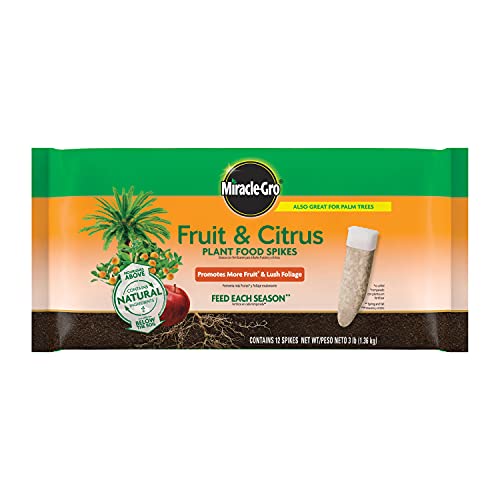
FORMULATED FOR CITRUS AND FRUIT TREES: Use these citrus fertilizer spikes on apple, orange, lemon, lime, and avocado trees; this formula is also great for feeding palm trees

All-Natural: Special blend for growing avocados in containers or as houseplants
Step-by-Step Planting Guide
- Choose the Right Time: Plant young fruit trees in early spring or fall when the weather is mild.
- Dig the Hole: Create a hole that’s twice as wide and equal to the depth of the root ball. This gives roots ample space to spread.
- Prepare the Root Ball: Gently remove the tree from its container. Loosen any tightly bound roots and prune damaged ones.
- Position the Tree: Place the tree in the center of the hole, ensuring that the root flare sits at ground level. Avoid planting too deep.
- Backfill the Hole: Fill around the roots with native soil while gently tamping it down to eliminate air pockets. Water the soil as you backfill.
- Water Generously: After planting, soak the soil thoroughly to help settle it. Regular watering is crucial during the initial growing season.
- Add Mulch: Apply a 2- to 3-inch layer of organic mulch around the base. This conserves moisture and suppresses weeds without touching the trunk.
- Stake if Necessary: For taller trees or those in windy areas, use stakes for support. Ensure they’re not too tight to avoid damaging the trunk.
- Ignoring Soil Quality: Test soil pH beforehand to ensure it supports fruit tree growth. Poor soil can stunt development.
- Overwatering: Avoid soaking the soil too much. Roots require both moisture and oxygen. Water only when the top inch of soil is dry.
- Planting Too Deep: Always keep the root flare above the soil. Excessive depth can lead to root rot.
- Neglecting Spacing: Plant trees with ample space between them to ensure good air circulation and sunlight access.
- Using Inappropriate Mulch: Avoid using fresh wood chips or grass clippings, as they can compact and create a mat. Stick to organic materials like shredded bark.
By following these guidelines, you’ll establish a strong foundation for your fruit trees, setting the stage for years of fruitful harvests.
Caring for Young Fruit Trees
Caring for young fruit trees involves several key practices that ensure their healthy growth and productivity. These practices include proper watering, fertilization, and pruning techniques.
Recommended Products

· ULTRA-SHARP SK5 STAINLESS STEEL - Engineered with premium SK5 stainless steel, these heavy duty pruning shears deliver razor-sharp precision and maximum hardness. The rust-resistant blades are designed to stay sharp longer, effortlessly resisting corrosion and sap buildup for smooth, friction-free garden shears performance year after year.

DUAL CUTTING POWER: VERSATILE PRUNING COMBO --- With both Pruning Shears and Pruning Snip, this combo delivers unmatched versatility. Whether you're delicately trimming flowers and shrubs, tackling thicker tree branches, or tending to your vegetable and fruit garden, our combo pack excels in all areas. They're also perfect for landscaping projects and maintaining the health and appearance of indoor plants. With this pack, you have a versatile tool that simplifies your gardening tasks.
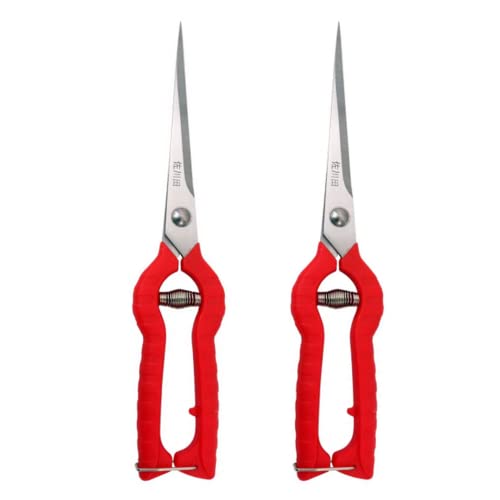
Total length : 245 mm blade length : 96 mm handle length : 122 mm closed handle width : 45 mm
Watering and Fertilization
Water young fruit trees deeply and regularly during their first few years. Providing one to two inches of water weekly helps establish a strong root system. During hot, dry spells, check the soil moisture, and increase watering if needed. It’s essential to avoid overwatering, as this can lead to root rot.
Fertilize your trees in early spring as new growth begins. Use a balanced, slow-release fertilizer to provide essential nutrients. Read the package instructions for dosage based on tree type and size. For example, use a nitrogen-rich fertilizer for leafy trees like apple or peach though a balanced fertilizer suffices for most fruit trees.
Pruning Techniques
Prune young fruit trees annually to encourage a strong structure and improve air circulation. Start in the first year, focusing on shaping the tree rather than excessive cutting. Remove dead, damaged, or crossing branches. Aim to maintain an open center to allow sunlight penetration.
Use clean, sharp pruning shears to make clean cuts. For ornamental and fruit trees, prune during late winter or early spring before new growth starts. For example, prune peach trees to promote fruiting wood that grows on one-year-old branches, while apple trees benefit from removing some of the crowded inner branches.
By consistently following these caring practices, you enhance your young fruit trees’ health and productivity, resulting in bountiful harvests.
Environmental Considerations
Several environmental factors affect young fruit trees’ growth. It’s crucial to address these aspects to promote healthy development.
Pest Management
Pests can damage young fruit trees, making pest management essential. Monitor for common pests such as aphids, spider mites, and scale insects.
- Use Insecticidal Soap: Apply insecticidal soap to affected areas, targeting soft-bodied insects.
- Encourage Beneficial Insects: Attract ladybugs and lacewings to your garden—they feed on harmful pests.
- Apply Organic Pesticides: If infestations arise, consider organic options like neem oil. These treatments are less harmful to beneficial insects.
Regular inspections help you catch problems early, reducing the need for more extensive treatments later.
Climate and Seasonal Factors
The climate and seasonal changes significantly affect young fruit tree growth. Choose tree varieties suited to your specific climate zone.
- Know Your Hardiness Zone: Research your USDA hardiness zone to select appropriate tree types. For instance, apples thrive in zones 3-8, while citrus requires warmer zones (9-11).
- Timing Matters: Plant trees in early spring or fall when temperatures are mild. This allows roots to establish before extreme temperatures.
- Watch for Frost: Protect young trees from late frosts by covering them, especially if planted early in the season.
Understanding these factors ensures your young fruit trees thrive and become productive members of your garden.
Conclusion
Planting young fruit trees is a rewarding journey that brings fresh flavors and beauty to your backyard. With the right approach and care you can nurture these trees into productive members of your garden.
Remember to choose the right spot and prepare your soil properly. By following the steps outlined you’ll set the stage for healthy growth and delicious fruit in the years to come.
Stay attentive to their needs and enjoy the process of watching them thrive. Soon enough you’ll be reaping the benefits of your hard work with tasty harvests and cherished memories. Happy planting!
Frequently Asked Questions
What are the benefits of planting young fruit trees?
Planting young fruit trees offers numerous benefits, including access to fresh produce within a few years, cost savings on groceries, and environmental advantages like improved air quality. Additionally, fruit trees enhance your landscape’s aesthetic appeal and provide educational experiences for both children and adults.
How do I choose the right location for planting fruit trees?
Select a site with full sunlight for at least six to eight hours daily, proper drainage, and wind protection. Ensure adequate space between trees to promote healthy growth and avoid overcrowding, which can hinder development and fruit production.
When is the best time to plant young fruit trees?
The optimal times for planting young fruit trees are early spring or fall. These seasons provide favorable conditions for roots to establish and reduce stress on the young trees during hot summer months or winter cold.
What should I do to prepare the soil for planting?
Test the soil’s pH and amend it with organic matter like compost if necessary. Clear the area of weeds and debris, dig a hole large enough to accommodate the root ball, and water the hole before planting to ensure proper moisture levels.
How often should I water young fruit trees?
During the first few years, water young fruit trees deeply and regularly, providing one to two inches of water per week. Avoid overwatering, as this can lead to root rot and hinder the tree’s growth.
What are the key care practices for young fruit trees?
Essential care practices include consistent watering, applying a balanced, slow-release fertilizer in early spring, and annual pruning to encourage strong structure and air circulation. Monitor for pests and use organic control methods as needed.
