

Have you ever dreamed of picking fresh fruit from your own backyard? Planting new fruit trees can turn that dream into reality. Whether you want juicy apples, sweet peaches, or zesty lemons, starting your own orchard is easier than you might think.
Many people struggle with knowing where to start. From choosing the right tree to finding the perfect spot in your yard, it can feel overwhelming. But don’t worry; this article will guide you through each step. You’ll learn how to select the best varieties for your climate, prepare the soil, and plant your trees for a healthy start.
Key Takeaways
- Choose the Right Varieties: Select fruit trees suited for your specific climate, soil type, and available space to ensure healthy growth and productivity.
- Soil Preparation is Key: Conduct a soil test and aim for a pH between 6.0 and 7.0. Amend the soil with organic matter like compost to promote fertility and drainage.
- Proper Planting Technique: Dig a hole wider than the root ball, ensure the root collar is level with the soil surface, and create a water basin around the tree for effective irrigation.
- Establish a Watering Routine: Water newly planted trees deeply once a week during their first year, adjusting for rainfall, to maintain adequate soil moisture.
- Ongoing Maintenance and Pruning: Regularly prune your trees to improve airflow, remove damaged branches, and train them for balanced growth while monitoring for pests and diseases.
- Mulching Benefits: Apply mulch around the base of fruit trees to conserve moisture, suppress weeds, and improve soil quality as it breaks down over time.
Choosing the Right Fruit Trees
Selecting the right fruit trees contributes significantly to the success of your orchard. Various factors influence your choice, including climate, soil type, and personal preference.
Recommended Products

Product Quantity: 180+ premium bonsai fruit seeds across 5 varieties; Individual packs contain 40+ apple, 40+ lemon, 40+ orange, 20+ blueberry, and 40+ cherry seeds; Perfect for starting a diverse miniature orchard

🌿 Sweet Tropical Fruit Harvest 🌿 The Longan Dimocarpus Dragon Eye live seedling matures into a productive tropical fruit tree bearing juicy, translucent, sweet longan fruit. Perfect for home gardeners, this exotic fruit tree offers the satisfaction of growing your own delicious harvest in warm climates. 🌿
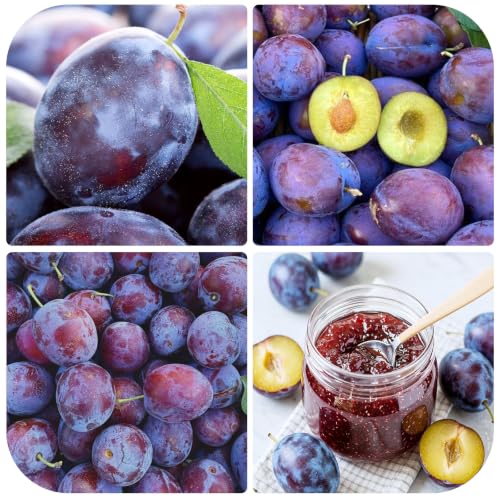
The cultivated plum trees are primarily for home fruit production, yielding plums suitable for fresh eating, jam-making, or baking. Mature trees also function as ornamental landscape specimens, providing shade and spring blossoms to gardens.
Factors to Consider
- Climate Zone: Identify your USDA hardiness zone. Choose trees that thrive in your specific zone to ensure successful growth. For example, apple trees generally grow well in zones 3 to 8, while citrus trees prefer zones 9 to 11.
- Soil Quality: Assess your soil type. Test for pH and nutrient levels. Most fruit trees prefer slightly acidic to neutral soil (pH 6.0 to 7.0). Amend your soil as needed to enhance fertility and drainage, as well-drained soil promotes healthy root development.
- Space and Size: Consider the space available in your garden. Dwarf varieties require less space and can be grown in containers, while standard-sized trees need room to spread. Plan for proper spacing (usually 15 to 25 feet) between trees to ensure good air circulation.
- Pollination Needs: Understand pollination requirements. Some fruit trees rely on cross-pollination for optimal fruit production. If choosing self-pollinating varieties, like certain apple trees, you’ll still enjoy a good harvest.
- Maintenance Level: Evaluate your willingness to maintain the trees. Some varieties demand more care than others. For ease, consider low-maintenance trees, but remember that those often produce smaller yields.
- Apple (Malus domestica): Renowned for their versatility, apples come in hundreds of varieties. Consider ‘Honeycrisp’ for its crispness and sweetness, or ‘Granny Smith’ for a tart flavor.
- Pear (Pyrus): Pear trees thrive in many climates. The ‘Bartlett’ variety offers juicy, sweet fruit, while ‘Bosc’ provides a firmer texture.
- Peach (Prunus persica): Peaches prefer warmer climates and are known for their fragrant flowers. ‘Elberta’ produces large, juicy peaches that are great for fresh eating.
- Cherry (Prunus avium): Sweet cherries, like ‘Bing,’ require a chilly winter for proper fruiting. Tart cherries, such as ‘Montmorency,’ work well for pies and preserves.
- Citrus (Citrus): Citrus trees, like oranges and lemons, excel in warmer regions. The ‘Meyer lemon’ is a compact, flavorful variety popular for home gardens.
By considering these factors and exploring popular varieties, you can make informed choices that set the stage for a flourishing fruit orchard in your backyard.
Preparing for Planting
Preparing for planting ensures your new fruit trees grow healthy. Follow these steps to set your orchard up for success.
Recommended Products

Feed the soil not the plants - stimulate microbial activity in your soil and boost probability of success with all types of plants… like composting but faster

FORMULATED FOR CITRUS AND FRUIT TREES: Use these citrus fertilizer spikes on apple, orange, lemon, lime, and avocado trees; this formula is also great for feeding palm trees

All-Natural: Special blend for growing avocados in containers or as houseplants
Site Selection and Soil Preparation
Choosing the right location is crucial. Look for a spot that gets at least six to eight hours of sunlight daily. Ensure good air circulation and access to water. Avoid areas with stagnant water or dense shade.
Next, check the soil quality. Fruit trees thrive in well-draining, loamy soil. Conduct a soil test to assess pH levels and nutrient content. Aim for a pH between 6.0 and 7.0. Amend the soil as needed with organic matter like compost to improve fertility and drainage.
When planting, dig a hole twice the width of the root ball and about the same depth. This encourages roots to spread. If your soil is heavy clay or sandy, make adjustments to enhance texture.
Tools and Materials Needed
Gather essential tools for planting. You’ll need:
- Shovel: For digging holes and mixing soil.
- Rake: To level the soil and remove debris.
- Trowel: For smaller planting jobs.
- Watering can or hose: To ensure proper hydration after planting.
- Stakes and ties (if necessary): To support young trees.
- Mulch: To retain moisture and suppress weeds.
Before you start, check that each tool is clean and in good condition. This preparation saves time and helps prevent the spread of soil diseases.
Planting Process
Planting fruit trees involves a series of essential steps to ensure healthy growth and fruitful harvests. Follow these guidelines to establish your trees properly.
Recommended Products


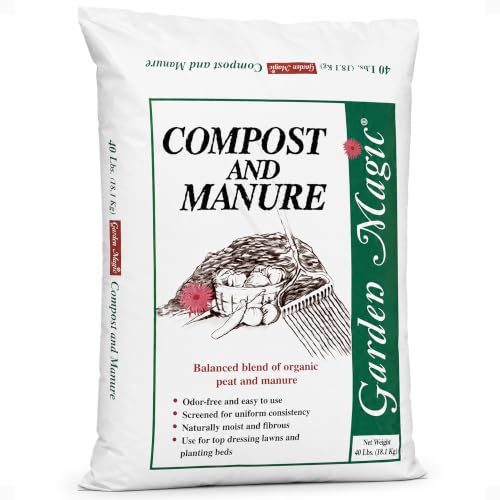
Organic Compost Blend: Enhance the nutrient content and soil quality of lawns and raised garden beds with this organic blend, promoting healthy plant growth and soil vitality
Steps to Plant New Fruit Trees
- Choose Your Tree: Select a healthy tree from a reputable nursery. Look for signs of disease and check for robust roots.
- Dig The Hole: Dig a hole that’s wider than the root ball but no deeper than the root collar. Aim for a diameter of about 2-3 times the root ball’s width.
- Prepare The Soil: Amend the excavated soil with compost to improve fertility. Mix in a 50/50 ratio of loamy soil and compost.
- Position The Tree: Place the tree in the center of the hole. Ensure that the root collar is level with the soil surface. Avoid planting too deep, as this can cause root damage.
- Backfill The Hole: Fill the hole gently with the prepared soil. Water the soil as you fill to eliminate air pockets.
- Create A Water Basin: Form a small basin around the tree with the backfill. This will help retain water during irrigation.
- Stake If Necessary: If the tree is tall or in a windy area, stake it for support. Ensure stakes don’t damage the trunk.
- Initial Watering: Water the newly planted tree immediately after planting. Use enough water to saturate the root zone without waterlogging.
- Regular Watering Schedule: For the first year, water deeply once a week, adjusting based on rainfall. Aim for 1-2 inches of water per week.
- Check Soil Moisture: Test the soil moisture by digging a few inches down. If the soil feels dry, it’s time to water again.
- Apply Mulch: Spread 2-3 inches of mulch around the base of the tree, keeping it several inches away from the trunk. Use organic materials like wood chips or shredded bark.
- Enhance Soil Quality: Mulching conserves moisture, suppresses weeds, and improves soil as it breaks down over time.
By following these steps and techniques, your new fruit trees will have a solid foundation to thrive and produce abundant fruit.
Aftercare and Maintenance
After planting, maintaining your new fruit trees is crucial for their health and productivity. Here’s how to take care of them properly.
Pruning and Training Your Trees
Pruning improves airflow and sunlight penetration. Prune during late winter or early spring before new growth starts. Remove damaged or crossing branches to promote a strong structure.
Train young trees by tying branches to stakes. This encourages an open canopy, allowing the tree to develop evenly. Aim to maintain a central leader for apples and pears. For peaches and cherries, balance side branches.
Pest and Disease Management
Pest and disease management ensures healthy trees. Inspect your trees regularly for signs of pests, such as holes in leaves or sticky residue. If you spot pests, use insecticidal soap or neem oil as a first line of defense.
To prevent diseases, avoid overhead watering, which can promote fungal growth. Keep the area around your trees clean, removing fallen fruit and leaves. If disease strikes, consult your local agricultural extension office for guidance on treatment options.
Conclusion
Planting new fruit trees is an exciting journey that brings the promise of fresh, delicious harvests right to your backyard. By choosing the right varieties and preparing your soil properly you’re setting the stage for success.
Remember to give your trees the care they need as they grow. Regular maintenance like pruning and monitoring for pests will help ensure a bountiful yield.
With a little patience and dedication you’ll soon enjoy the sweet rewards of your hard work. So grab your tools and get started on your fruit orchard adventure. Happy planting!
Frequently Asked Questions
What is the first step in starting a backyard fruit orchard?
To start a backyard fruit orchard, the first step is to choose the right fruit trees for your climate and available space. Research your USDA hardiness zone and select varieties that thrive in those conditions. Consider factors like soil quality, sunlight, and pollination needs to ensure your trees grow successfully.
How do I choose the right location for planting fruit trees?
Select a location with at least six to eight hours of sunlight daily, good air circulation, and well-draining soil. Avoid areas with stagnant water. Ensuring your chosen spot meets these criteria will promote healthy tree growth and fruit production.
What tools do I need for planting fruit trees?
Essential tools for planting fruit trees include shovels, rakes, a watering can, and mulch. Make sure your tools are clean and well-maintained to prevent soil diseases. Having the right materials on hand will simplify the planting process and encourage healthy growth.
How should I prepare the soil before planting?
Before planting, test the soil for pH and nutrient content, aiming for a pH level between 6.0 and 7.0. Amend the soil with compost to enhance its quality. Well-draining, loamy soil is crucial for the healthy growth of your fruit trees.
What is the best way to water newly planted trees?
Water newly planted trees thoroughly to eliminate air pockets and create a water basin around the base. Establish an initial watering schedule, checking soil moisture regularly. Use mulch to help retain moisture and suppress weeds during their early growth stages.
When should I prune my fruit trees?
Prune your fruit trees during late winter or early spring, when they are dormant. Focus on removing dead or crowded branches to improve airflow and sunlight penetration. Proper pruning encourages healthy growth and maximizes fruit yield in the long run.
How can I manage pests and diseases in my orchard?
Regularly inspect your trees for pests and signs of disease. Use insecticidal soap or neem oil as a first defense against pests. To prevent diseases, avoid overhead watering and keep the area around your trees clean, promoting a healthy growing environment.
What fruit varieties are recommended for beginners?
Beginner-friendly fruit varieties include apples, pears, peaches, cherries, and citrus. Each of these fruits offers unique growing requirements, so it’s essential to research which types succeed best in your climate and soil conditions for a successful orchard.
