

Banana trees can thrive in Chicago, IL with proper winter protection. Using techniques like mulching and wrapping can safeguard these tropical plants from harsh winter conditions.
Banana Tree Winter Hardiness in Chicago
Banana trees are not typically suited for cold climates like Chicago. Most varieties can tolerate temperatures down to 32°F but struggle below that. The key to successful growth in urban areas is understanding their hardiness zones and implementing effective winter protection strategies.
Recommended Products

LIVE MUSA BASJOO BANANA PLANT: Receive (1) healthy live bare-root Musa Basjoo (Cold Hardy Japanese Banana) carefully packaged and ready for planting. No pot included
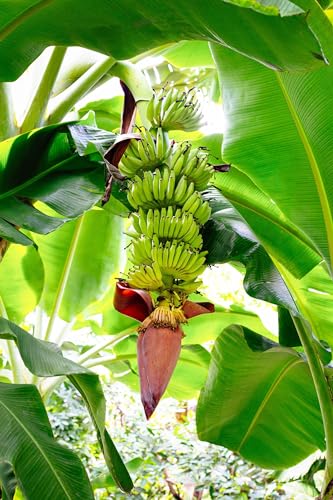
Live Plants for Planting 🌱 – Includes 4 rooted Musa basjoo banana plants, ready to plant in your garden or large pots.

3-Layer Insulation Design: Featuring a unique 3-layer structure of non-woven fabric, foam, and aluminum foil, this product offers exceptional insulation performance. This unique design effectively traps heat and prevents frost damage in cold weather.
Best Cold-Hardy Banana Varieties for Chicago
Selecting the right banana varieties is crucial for successful cultivation in Chicago’s challenging winter climate. Cold-hardy options can withstand lower temperatures while still producing fruit, making them ideal for urban gardeners. This section explores the best banana varieties suited for the unique conditions of Chicago, ensuring your tropical garden thrives even in the colder months.
Selecting the right banana tree variety is crucial for urban gardeners. Some varieties are more resilient to cold than others. Consider these options:
Dwarf Cavendish: Compact and popular for home gardens.
Blue Java: Known for its cold tolerance and sweet flavor.
Orinoco: Hardy and adaptable to various climates.
Winterization Steps for Banana Trees
Winterizing banana trees in Chicago requires careful planning and execution to ensure their survival through harsh conditions. The following steps outline effective methods to protect these tropical plants from freezing temperatures, ensuring they thrive once spring arrives. Understanding the specific needs of banana trees during winter is crucial for urban gardeners looking to maintain their greenery year-round.
Preparation is essential for protecting banana trees during winter months. Start by assessing the tree’s current health and ensuring it has adequate nutrients. Follow these steps for effective winterization:
Prune the leaves to reduce wind resistance.
Apply mulch around the base to insulate roots.
Wrap the trunk with burlap or frost cloth.
Winterization Strategies for Chicago Banana Trees
Winter can be particularly harsh for banana trees in Chicago, requiring careful preparation to ensure their survival through the cold months. Implementing effective winterization strategies is essential for protecting these tropical plants from frost and freezing temperatures. This section outlines practical methods to help urban gardeners safeguard their banana trees during the winter season.
Winterization techniques can significantly enhance the survival rate of banana trees in Chicago. Here are some effective methods to consider:
Burlap Wrapping: Wrap the trunk and lower leaves to prevent frost damage.
Heat Mats: Use heat mats under pots to maintain soil warmth.
Windbreaks: Install barriers to shield trees from harsh winds.
| Technique | Effectiveness | Cost Estimate | Difficulty Level |
|---|---|---|---|
| Burlap Wrapping | High | $10-$20 | 2 |
| Heat Mats | Medium | $30-$50 | 3 |
| Windbreaks | High | $50-$100 | 4 |
Weather Forecast Monitoring for Banana Trees
Monitoring weather forecasts is crucial for protecting banana trees in Chicago during the winter months. With the city’s unpredictable climate, understanding temperature fluctuations and potential frost events can help urban gardeners take necessary precautions. This section outlines effective strategies for keeping banana trees safe from harsh winter conditions.
Keeping an eye on weather forecasts is crucial for banana tree care. Sudden temperature drops can occur, necessitating immediate action. Check local forecasts regularly and be prepared to implement protective measures quickly.
Use Indoor Storage Options
In Chicago’s harsh winter climate, protecting banana trees requires innovative strategies, especially when considering indoor storage options. Utilizing indoor spaces can help shield these tropical plants from freezing temperatures and harsh winds, ensuring their survival until warmer weather returns. This section explores practical methods for successfully overwintering banana trees indoors in an urban setting.
For extreme cold spells, consider moving potted banana trees indoors. This option provides a controlled environment that can prevent frost damage. Ensure the indoor space has adequate light and humidity to keep the plants healthy.
Post-Winter Damage Assessment for Banana Trees
After the harsh winter months in Chicago, assessing the condition of banana trees is crucial for their recovery. This evaluation helps identify any damage caused by freezing temperatures and informs necessary care strategies to ensure these tropical plants thrive once warmer weather returns. Understanding the extent of winter damage is essential for effective rehabilitation and growth.
After winter, assess the banana trees for any signs of damage. Look for:
Leaf discoloration: Indicates frost damage.
Soft spots: May signal rot or disease.
Growth patterns: Healthy trees will show new growth in spring.
Proper recovery techniques can help rejuvenate damaged trees.
Remove dead leaves to encourage new growth.
Fertilize with a balanced fertilizer to boost recovery.
Water regularly to maintain soil moisture.
Plan for Future Winters
As winter approaches in Chicago, urban gardeners must consider effective strategies to protect banana trees from harsh conditions. Planning for future winters involves understanding the specific needs of these tropical plants and implementing measures that ensure their survival and vitality during the cold months. This section outlines essential steps to safeguard banana trees in an urban setting.
Planning for future winters can help ensure the longevity of banana trees in urban settings. Consider investing in durable protective materials and researching additional cold-resistant varieties.
Create a winter care calendar to track preparation tasks.
Join local gardening groups for shared experiences and advice.
Monitor your banana trees throughout the growing season to ensure they are healthy and ready for winter.
Banana trees can thrive in Chicago with the right winter protection strategies. Implement these techniques to enjoy a fruitful harvest in the warmer months.
