
Close Menu
    Fruit Tree Hub
    • Home
    • Apple Trees
    • Lemon Trees
    • Mango Trees
    • Orange Trees
    • More Trees
      • Best Fruit Trees
      • Apricot Trees
      • Cherry Trees
      • Fig Trees
      • Lime Trees
      • Mulberry Trees
      • Peach Trees
      • Pear Trees
      • Plum Trees
      • Pomegranate Trees
    • Tips and Advice
      • Tools
    • About Us
      • Contact
      • Privacy Policy
    Fruit Tree Hub
    Home»Planting»Can Banana Trees Grow in Montana? (Mountain Survival Secrets)
    Planting

    Can Banana Trees Grow in Montana? (Mountain Survival Secrets)

    Lucy SmithBy Lucy SmithSeptember 18, 20255 Mins Read
    Share Facebook Twitter Pinterest WhatsApp Email
    Share
    Facebook Twitter LinkedIn Pinterest Telegram Email

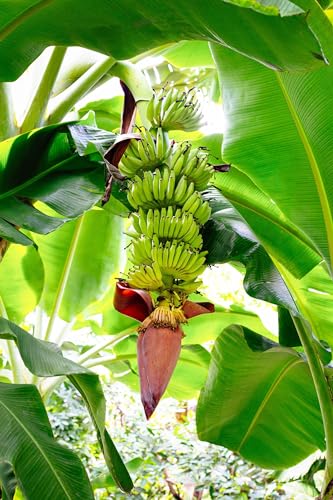
    Banana trees can grow in Montana, but they require specific conditions to thrive. With the right care and microclimate management, it is possible to cultivate these tropical plants in a non-tropical environment.

    Contents show
    1 Banana Tree Growth Conditions in Montana
    1.1 Best Banana Tree Varieties for Cooler Climates
    1.2 Microclimate Strategies for Banana Trees
    1.3 Banana Tree Care in Montana
    1.4 Adapting Banana Trees to Montana’s Seasons
    1.5 Optimal Planting Sites for Banana Trees
    1.6 Successful Strategies for Montana Banana Trees

    Banana Tree Growth Conditions in Montana

    Understanding the growth conditions for banana trees in Montana is essential for anyone interested in cultivating these tropical plants in a non-tropical climate. The unique challenges posed by Montana’s climate, including temperature fluctuations and soil requirements, make it crucial to explore specific strategies for successful banana tree cultivation in this region.

    Banana trees thrive in warm, humid conditions. They prefer temperatures above 60°F and can suffer damage from frost. In Montana, where temperatures can drop significantly, selecting the right variety and providing adequate shelter are crucial for success.

    Recommended Products
    Greenwood Nursery: Live Perennial Plants - Musa Basjoo Cold Hardy Banana - [Qty: 2X Pint Pots] - (Click for Other Available Plants/Quantities)
    Greenwood Nursery: Live Perennial Plants - Musa Basjoo Cold Hardy Banana - [Qty: 2X Pint Pots] - (Click for Other Available Plants/Quantities)

    🌿 [INFO1] - Gives a tropical look to your garden. Grows from the Southern U.S. all the way to the southern part of Canada. A hardy Flowering Banana plant provides a tropical plant or jungle garden feel for pool landscapes, zen gardens and also makes an excellent container plant for porches, decks, patios & sunny areas of the house. The yellow orange flowers will produce small ornamental fruits that are not edible.

    MUST READ
    Growing Avocado Trees in Arkansas (Success Tips for Homeowners)
    VIEW LATEST PRICE

    As an affiliate, we earn on qualifying purchases.

    Musa Basjoo Banana Tree - 1 Ft. Tall Cold Hardy Banana Plant - Rapid Growth - Easy Care (4-6 Inches)
    Musa Basjoo Banana Tree - 1 Ft. Tall Cold Hardy Banana Plant - Rapid Growth - Easy Care (4-6 Inches)

    HARDY AND VERSATILE: The Musa Basjoo Banana Tree is celebrated for its impressive cold tolerance, thriving in USDA zones 3-7. It's perfect for introducing a tropical flair to a variety of climates.

    VIEW LATEST PRICE

    As an affiliate, we earn on qualifying purchases.

    Generic Namwah Banana Tree - 4-6 Inches Tall Starter Plant - Cold Hardy Banana Tree to 10F - Dwarf Banana - Ideal for Home Gardens and Tropical Landscapes, Yellow
    Generic Namwah Banana Tree - 4-6 Inches Tall Starter Plant - Cold Hardy Banana Tree to 10F - Dwarf Banana - Ideal for Home Gardens and Tropical Landscapes, Yellow

    Delicious Bananas: The Namwah Banana Tree produces sweet, creamy bananas that are perfect for fresh eating, cooking, and desserts, making it a delightful addition to your garden.

    VIEW LATEST PRICE

    As an affiliate, we earn on qualifying purchases.

    Best Banana Tree Varieties for Cooler Climates

    When considering banana trees for cooler climates like Montana, selecting the right variety is crucial for success. Certain banana tree types are better equipped to handle lower temperatures and shorter growing seasons, making them more suitable for gardeners in these regions. This section explores the best banana tree varieties that thrive in cooler conditions, ensuring a fruitful harvest.

    Certain banana tree varieties are more suited to cooler climates. The following types are recommended for Montana:

    • Dwarf Cavendish: Compact and hardy, this variety grows well in pots and can be moved indoors during cold months.

    • Musa basjoo: Known for its cold tolerance, this variety can survive temperatures down to 10°F with proper mulching.

    • Musa acuminata: This variety offers good fruit production and can adapt to varying conditions.

    MUST READ
    Growing Banana Trees in Atlanta, GA (Deep South Planting Secrets)
    VarietyCold ToleranceHeightFruit Production
    Dwarf CavendishModerate3-4 feetHigh
    Musa basjooHigh6-8 feetLow
    Musa acuminataModerate8-10 feetHigh

    Microclimate Strategies for Banana Trees

    Growing banana trees in Montana presents unique challenges due to the state’s climate. However, understanding and utilizing microclimates can significantly enhance the chances of success. This section explores effective strategies to create and maintain favorable conditions for banana trees, allowing them to thrive even in less-than-ideal environments.

    To successfully grow banana trees in Montana, creating a microclimate is essential. Here are effective strategies:

    • Greenhouse Cultivation: Using a greenhouse can maintain warmth and humidity levels. Ensure it has good ventilation to prevent mold.

    • Wind Protection: Plant banana trees near structures or other plants that can shield them from cold winds.

    • Mulching: Apply a thick layer of mulch around the base to insulate roots during colder months.

    Banana Tree Care in Montana

    Growing banana trees in Montana presents unique challenges due to the region’s climate and temperature fluctuations. Understanding the specific care requirements for these tropical plants is essential for successful cultivation. This section delves into the best practices for nurturing banana trees in Montana’s distinct environment, ensuring they thrive despite the colder conditions.

    Proper care is vital for banana trees to flourish in Montana. Follow these steps for optimal growth:

    • Watering: Keep the soil consistently moist but not waterlogged. Use a drip irrigation system for efficiency.

    • Fertilization: Apply a balanced fertilizer every 4-6 weeks during the growing season to promote healthy growth.

    • Pruning: Remove dead leaves and spent flowers to encourage new growth and improve air circulation.

    MUST READ
    Growing Cherry Trees in Lexington, KY: Bluegrass Soil Advice

    Adapting Banana Trees to Montana’s Seasons

    Growing banana trees in Montana presents unique challenges due to the region’s distinct seasonal variations. To thrive in this climate, these tropical plants require specific adaptations that account for colder temperatures and shorter growing seasons. Understanding how to modify care and cultivation techniques can help gardeners successfully nurture banana trees in this unexpected environment.

    Montana experiences significant seasonal changes, which can affect banana trees. Here are key considerations:

    • Winter Protection: Before the first frost, cut back the banana tree to about 3 feet. Cover the base with straw or burlap to protect roots.

    • Spring Awakening: As temperatures rise, gradually uncover the tree and resume watering and fertilization.

    • Summer Growth: Monitor for pests and diseases, especially during the warmer months when banana trees are most vulnerable.

    SeasonKey ActionsNotes
    WinterCut back and coverProtect roots from frost
    SpringUncover and resume careGradually acclimate
    SummerMonitor for pests and diseasesMaintain moisture levels

    Optimal Planting Sites for Banana Trees

    Selecting the right location for banana trees in Montana is critical. Look for areas that receive full sun exposure for at least six hours daily. Avoid low-lying spots where cold air settles. Raised beds can also improve drainage and warmth.

    Successful Strategies for Montana Banana Trees

    Growing banana trees in Montana presents unique challenges due to the region’s climate and temperature fluctuations. However, with the right strategies and techniques, it is possible to cultivate these tropical plants successfully. This section explores effective methods to enhance the chances of thriving banana trees in Montana’s distinct environment.

    MUST READ
    Best Time to Spray Neem Oil on Loquat Trees (Authority Secrets)

    Banana trees can thrive in Montana with the right approach. Focus on selecting cold-tolerant varieties, creating a suitable microclimate, and providing consistent care.

    Planting banana trees in Montana requires commitment and attention to detail. With proper planning, you can enjoy the unique experience of cultivating these tropical plants in a non-tropical climate.

    Share. Facebook Twitter Pinterest LinkedIn Tumblr Email
    lucy smith
    Lucy Smith
    • Website

    Lucy Smith is a highly experienced horticulturist with a passion for fruit tree cultivation. She holds a degree in Horticulture from the University of California, Davis, and has worked in various roles in the industry. With over 10 years of experience, Lucy is dedicated to using eco-friendly methods for sustainable gardening practices.

    Related Posts

    Can Olive Trees Grow in New Jersey? Garden State Growth Tips

    July 11, 2026

    Can Star Fruit Trees Grow in Missouri? Expert Variety Guide

    July 10, 2026

    How to Grow Jujube Trees in Las Vegas, NV: Desert Growth

    July 10, 2026

    Mango Trees in Illinois: Indoor and Greenhouse Growth Secrets

    July 10, 2026

    Growing Papaya Trees in Oklahoma: High Heat Resilience

    July 10, 2026

    Tamarind Trees in a Pot in Ohio (Complete Maintenance Manual)

    July 10, 2026
    Leave A Reply Cancel Reply

    Affiliate Disclosure

    As an Amazon Associate I earn from qualifying purchases.

    Recommended Reading

    Do Grapefruit Trees Self-Pollinate: Boosting Yield and Genetic Diversity

    Can Cherry Fruit Tree Grow in the Philippines: Tips for Successful Cultivation in Tropical Climates

    How Many Years Before an Avocado Tree Bears Fruit: Essential Tips for Successful Growth

    How Do I Get My Avocado Tree to Bear Fruit: Essential Tips for Thriving Harvests

    How Long Do Orange Trees Take to Produce Fruit: Timelines and Tips for Successful Growth

    Growing Mango Trees in New York (Upstate Soil and Winter Tips)

    Grapefruit Trees in Norfolk, VA: Tidewater Success Guide

    Can Lemon Trees Grow in Long Beach, CA? Coastal Salt Tips

    How to Get More Fruit From Pomegranate Tree: Essential Tips for Boosting Your Harvest

    When Do Tangerine Trees Bear Fruit? Essential Guide to Fruit Maturation and Harvesting

    Fruit Tree Hub

    Fruit Tree Hub is a website dedicated to providing you everything you need to grow fruit trees successfully at in your own yard.

    Contact us at: [email protected]

    - AFFILIATE DISCLOSURE: As an Amazon Associate I earn from qualifying purchases.

    Latest Posts

    Can Olive Trees Grow in New Jersey? Garden State Growth Tips

    Can Star Fruit Trees Grow in Missouri? Expert Variety Guide

    How to Grow Jujube Trees in Las Vegas, NV: Desert Growth

    Mango Trees in Illinois: Indoor and Greenhouse Growth Secrets

    Growing Papaya Trees in Oklahoma: High Heat Resilience

    Tamarind Trees in a Pot in Ohio (Complete Maintenance Manual)

    Can Fig Trees Grow in Long Beach, CA? Coastal Salt Tips

    Plum Trees in District of Columbia (Urban Microclimate Tips)

    Categories
    • Almond Trees
    • Apple Trees
    • Apricot Trees
    • Best Fruit Trees
    • Blackberry
    • Cantaloupe
    • Cherry Trees
    • Crochet Ideas
    • Crochet Ideas for Beginners
    • Cucamelon
    • Easy Crochet Ideas
    • Easy Knitting Projects
    • Fig Trees
    • Grapefruit Trees
    • Grapes
    • Guava Trees
    • Honeydew
    • Jujube Trees
    • Kiwi
    • Knitting For Beginners
    • Knitting Ideas
    • Knitting Inspiration
    • Lemon Trees
    • Lime Trees
    • Loquat Trees
    • Mango Trees
    • Mulberry Trees
    • Nectarine Trees
    • Olive Trees
    • Orange Trees
    • Papaya Trees
    • Peach Trees
    • Pear Trees
    • Persimmon Trees
    • Planting
    • Plum Trees
    • Pomegranate Trees
    • Quince Trees
    • Raspberry
    • Reviews
    • Small Crochet Ideas
    • Star Fruit Trees
    • Summer Crochet Ideas
    • Tamarind Trees
    • Tangerine Trees
    • Tips and Advice
    • Tools
    • Uncategorized
    • Walnut Trees
    © 2026 Fruit Tree Hub
    • Home
    • About Us
    • Contact
    • Privacy Policy
    • Terms and Conditions
    • Disclaimer
    • Editorial Policy
    • Affiliate Disclosure

    Type above and press Enter to search. Press Esc to cancel.