

Are squirrels raiding your fruit tree and leaving you with nothing but bare branches? You’re not alone. Many gardeners face the frustration of watching these clever critters feast on their hard-earned harvest.
Key Takeaways
- Understand Squirrel Behavior: Squirrels are attracted to fruit trees due to the nutritious fruits and safe feeding areas they provide during the growing season.
- Implement Effective Deterrents: Use physical barriers like tree guards, netting, and fencing, along with repellents such as commercial products or DIY solutions made with hot peppers and strong scents.
- Practice Tree Maintenance: Regularly prune your fruit trees to remove low-hanging branches and thin out dense areas, making them less accessible and appealing to squirrels.
- Time Your Harvest: Monitor fruit ripeness closely and harvest just before full ripeness to limit squirrels’ access to your fruit.
- Plant Squirrel-Resistant Plants: Use plants like lavender and marigold around your fruit trees to deter squirrels with their strong scents.
- Create Squirrel Feeding Stations: Set up designated feeding areas away from your fruit trees to distract squirrels and redirect their foraging behavior.
Understanding Squirrel Behavior
Squirrels are resourceful animals. Their behaviors explain why they often target fruit trees.
Why Squirrels Target Fruit Trees
Squirrels seek out fruit trees for several reasons. They enjoy the taste of fruits like apples, peaches, and plums. Fruits serve as a rich source of nutrients and energy for them. Additionally, the height and branches of fruit trees offer a safe feeding area away from predators. Squirrels also take advantage of the easy access to ripe fruits during the growing season. When food is scarce, squirrels remember where to find these trees, making them a consistent target.
Common Squirrel Feeding Habits
Squirrels exhibit specific feeding habits that make fruit trees especially vulnerable. They typically feed in the morning and late afternoon. During these times, they gather nuts and fruits, often forgetting some. This behavior can lead to the germination of new plants but also results in significant fruit loss. Squirrels often nibble on fruits, leaving behind damaged portions. Additionally, they’re known to dig up and bury nuts, helping them store food for winter. When food is plentiful, they’ll eat more than they store and may raid your trees regularly. Understanding these habits makes it easier to control their access to your fruit trees.
Effective Deterrents
To keep squirrels out of your fruit trees, implementing a combination of strategies works best. Here are some effective methods to consider.
Recommended Products

Effective Fruit Tree Netting: Premium Garden netting creates a barrier to protect your fruit trees, blueberries, apples, tomatoes, and berries, ensure the health and...
Physical Barriers
Using physical barriers stops squirrels from accessing your fruit trees.
- Tree Guards: Install tree wraps or guards around the trunk. These materials can prevent squirrels from climbing up.
- Netting: Cover fruit with bird netting or garden fabric. Ensure the netting is secured to the ground, preventing squirrels from slipping underneath.
- Fencing: Erect a fence around your orchard. A fence at least 4 feet tall, made of wire mesh, discourages squirrels from jumping over. Bury the bottom of the fence a few inches underground to stop digging.
Repellents and Scents
Repellents and scents can deter squirrels effectively.
- Commercial Repellents: Look for repellents containing capsaicin or predator urine. These products create a sensory barrier that squirrels avoid.
- DIY Solutions: Combine water with hot pepper flakes or garlic. Spray this mixture on the fruits and surrounding areas to develop an unpleasant smell for squirrels.
- Strong Scents: Place items with strong odors like peppermint or citrus peels near the trees. Change the items regularly, as the scent diminishes over time, keeping squirrels disinterested.
Utilizing these physical barriers and repellents ensures a better chance of protecting your fruit trees from squirrel activity.
Tree Maintenance Strategies
Implementing effective tree maintenance strategies creates a less inviting environment for squirrels, helping to protect your fruit harvest.
Recommended Products

Iguanas & Rodents Barrier: Our iguana tree wrap is designed to stop iguanas, squirrels, rodents, and even cats from climbing tree trunks. The ultra-smooth PET surface reduces claw friction, making it difficult for animals to grip and climb. This helps protect your trees, roof, attic, and garden from unwanted animal intrusion and damage

Unlike the Squirrel Baffle, our squirrel spikes can be easily bent and wrapped around a variety of types and sizes of surfaces, including bird feeder poles, trees, fences, and pipes.

A Smooth and Effective Squirrel Barrier: Our squirrel baffle is designed with ultra-smooth surface that causes the squirrel to lose its grip and makes it unable to climb up. Besides, It blends in pretty well and is big enough to be effective
Pruning Techniques
Pruning fruit trees regularly promotes healthy growth and reduces squirrel activity. Focus on the following techniques:
- Remove Branches: Cut back any low-hanging branches that provide easy access to the fruits.
- Thin Canopy: Thin out dense areas, allowing sunlight and air circulation, which can discourage nests and squirrel feeding.
- Shape Trees: Give trees a vase-like shape to eliminate horizontal branches that squirrels might use to jump from one tree to another.
Regular pruning not only enhances fruit production but also makes trees less appealing to squirrels.
Timing of Harvest
Harvesting fruits at the right time is crucial for reducing the likelihood of squirrel interference. Consider these tips:
- Monitor Ripeness: Check fruits daily for ripeness. Squirrels are more likely to target fruit that shows any sign of ripening.
- Early Harvest: Consider harvesting fruits like apples or peaches just before they fully ripen. This reduces the chance of squirrels nibbling on them.
- Daily Collecting: Collect ripe fruit every day during peak harvesting time to minimize losses.
By strategically timing your harvest, you limit the opportunity squirrels have to raid your trees.
Use these maintenance strategies to create a less friendly habitat for squirrels, ensuring your fruit trees yield the best possible harvest.
Alternative Solutions
Exploring alternative solutions can provide additional strategies to deter squirrels from your fruit trees.
Recommended Products

PART OF A BACKYARD WILDLIFE OASIS. Experience the joy of nature up-close with a simple treat that attracts these important members of the wild.
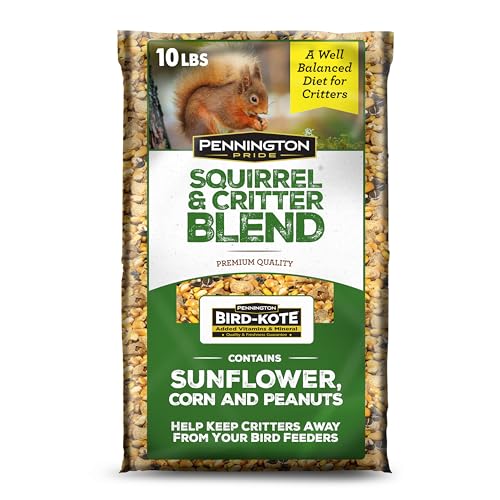
INGREDIENTS SQUIRRELS LOVE: Pennington Squirrel & Critter blend is a ducks, squirrel and chipmunk food that features corn, sunflower and peanuts for a tasty treat

Squirrel Feeder With water bowl: Our chipmunk feeders for outside is equipped with a water bowl, allowing squirrels to eat and drink water at the same time. You can also save time choosing another water bowl
Planting Squirrel-Resistant Plants
Consider planting squirrel-resistant plants to help keep squirrels at bay. Certain plants tend to deter these pests due to their strong scents or unpalatable tastes. Examples of squirrel-resistant plants include:
- Lavender: Its aromatic flowers repel squirrels and attract beneficial insects.
- Marigold: The strong smell signals danger to squirrels while adding color to your garden.
- Rosemary: Its woody texture and scent discourage squirrels from coming close.
Incorporating these plants around your fruit trees can create a natural barrier that makes your garden less appealing to squirrels. Additionally, maintaining a diverse garden with various plants can distract squirrels and redirect their foraging activities.
Feeding Stations for Squirrels
Utilize feeding stations for squirrels to divert their attention away from your fruit trees. By providing a designated area for squirrels, you can limit their access to your fruit. Here’s how to set up an effective feeding station:
- Choose a Location: Select a spot away from your fruit trees, ideally in a corner of your yard.
- Select the Right Food: Use foods that squirrels enjoy, such as corn, sunflower seeds, or peanuts. Avoid offering fruit to reduce temptation.
- Construct a Station: Create a simple platform or use a squirrel feeder. Ensure it’s sturdy and secured against tipping.
- Monitor the Area: Check the feeding station regularly and replenish food as needed. This practice helps keep squirrels engaged in their designated area.
By implementing these alternative solutions, you’ll create an environment that discourages squirrel activity around your fruit trees.
Conclusion
Keeping squirrels away from your fruit trees doesn’t have to be a daunting task. With a mix of physical barriers and clever tactics, you can protect your precious harvest. Remember to regularly maintain your trees and monitor their ripeness to stay one step ahead of those crafty critters.
By creating a less inviting environment and offering alternatives for squirrels to munch on, you’ll find that your efforts pay off. Enjoy the fruits of your labor without the worry of sharing with your furry friends. Happy gardening and may your trees thrive!
Frequently Asked Questions
Why do squirrels raid fruit trees?
Squirrels raid fruit trees because they are attracted to the high nutrient content of fruits like apples, peaches, and plums. The trees’ height and branches offer a safe feeding area away from predators, making them an appealing option for these clever animals.
What can I do to deter squirrels from my fruit trees?
To deter squirrels, consider using physical barriers like tree guards or netting. Additionally, repellents with strong scents, such as capsaicin or DIY solutions with hot pepper, can be effective. Regular pruning and proper harvest timing also help limit squirrel access.
Are there any alternative methods to keep squirrels away?
Yes, planting squirrel-resistant plants such as lavender or rosemary can help create a less inviting environment. Setting up feeding stations with food away from fruit trees can also divert squirrels’ attention, keeping them away from your precious fruits.
When should I harvest my fruits to avoid squirrel damage?
To minimize squirrel interference, monitor your fruit for ripeness and harvest just before they fully ripen. Collecting ripe fruit daily can also help reduce the chances of squirrels enjoying your hard work.
How does tree maintenance help with squirrel issues?
Regular tree maintenance, like pruning low-hanging branches, thinning the canopy, and shaping your trees, can promote healthy growth and make trees less appealing to squirrels. A well-maintained tree can reduce their access and feeding opportunities.
