

Are you worried about your loquat tree's droopy leaves? It can be frustrating when your tree isn't doing well, but there are ways to help it.
Understanding common loquat tree diseases and how to treat them is key to getting your tree back on track. Let's take a look at how to spot, deal with, and prevent these diseases so your loquat tree can thrive again.
Key Takeaways
- Regularly inspect the loquat tree for signs of leaf spots, powdery mildew, or fruit rot.
- Implement proper tree care practices such as pruning and adequate watering to maintain tree health.
- Utilize natural remedies like neem oil, copper fungicides, and horticultural oils to combat fungal infections and pests.
- Seek the expertise of a certified arborist or horticulturist for accurate diagnosis and tailored treatment plans.
Identifying Common Loquat Tree Diseases
When inspecting your loquat tree, you should actively look for signs of common diseases to ensure early detection and effective treatment. Disease prevention is key to maintaining the health of your loquat tree. Keep a close eye out for symptoms like leaf spots, powdery mildew, or fruit rot. Proper tree care, including regular pruning and adequate watering, can help prevent these issues.
Monitor the foliage for any discoloration, wilting, or unusual growth patterns. Additionally, inspect the fruits for any signs of decay or abnormal blemishes. By staying vigilant and addressing any potential problems promptly, you can effectively maintain the health and vitality of your loquat tree.
Early identification of common diseases is crucial for implementing the right treatment and preventing the spread of infections.
Recommended Products

Control diseases and insects in your garden with Captain Jack’s Fruit Tree Spray Concentrate! Use on a variety of listed fruits, nuts and citrus plants.

Key Benefits Promotes natural plant defense responses Supports drought and stress tolerance Environmentally friendly Minimal exposure risk application method
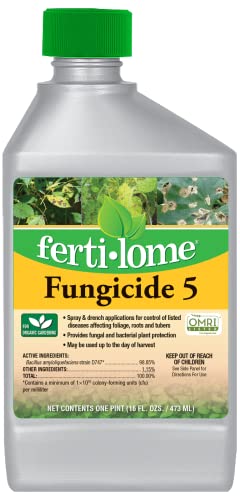
DISEASE & BACTERIA CONTROL - Listed Blights, Molds, Rots, Spots, Specks, Mildews and more. See label for full lists of disease prevention and treatment.
Understanding Symptoms and Causes
To understand the symptoms and causes of common loquat tree diseases, it's essential to closely observe any changes in the foliage and fruits, as well as to be aware of environmental factors that can contribute to disease development. Here are some key points to consider:
- Understanding Prevention: Implementing proactive measures such as proper pruning, maintaining soil health, and providing adequate air circulation can help prevent common diseases.
- Early Detection: Regularly inspecting the tree for any signs of discoloration, spots, or abnormal growth can aid in early disease detection.
- Common Disease Pathogens: Familiarize yourself with common pathogens such as fungi, bacteria, and viruses that can affect loquat trees.
- Environmental Factors: Environmental stressors like excessive moisture, poor drainage, and nutrient deficiencies can create conditions favorable for disease development.
Effective Treatment Options
Now that you have a grasp of the symptoms and causes of common loquat tree diseases, it's time to explore effective treatment options to address these issues.
When it comes to treating loquat tree diseases, you have a choice between natural remedies and chemical treatments.
Natural remedies such as neem oil, copper fungicides, and horticultural oils can effectively combat fungal infections and pests while being gentle on the environment. These remedies work by suffocating pests, disrupting their life cycles, or boosting the tree's natural defenses.
On the other hand, chemical treatments like synthetic fungicides and insecticides provide a powerful and fast-acting solution for severe infestations or diseases. However, it's important to use them cautiously and according to the instructions to minimize environmental impact and ensure the safety of beneficial insects.
Preventing Future Infections
To prevent future infections, ensure adequate air circulation around the loquat tree by pruning and spacing branches, and promptly remove any fallen leaves or fruit to reduce the risk of disease spread. Additionally, consider the following measures:
- Natural remedies: Utilize natural solutions like neem oil or garlic spray to deter pests and fungal infections without harming the tree or the environment.
- Disease resistant varieties: When selecting new loquat trees for your garden, opt for disease-resistant varieties to minimize the risk of future infections.
- Regular inspection: Schedule routine inspections to catch any signs of disease early and take appropriate action to prevent it from spreading.
- Optimal watering: Avoid overwatering, as excessive moisture can create a favorable environment for disease development.
Recommended Products
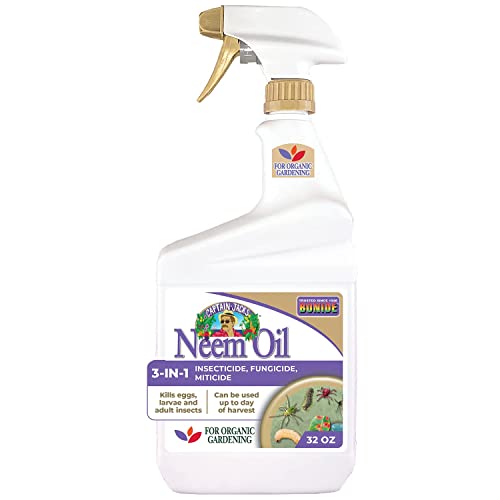
Protect your oasis with 3 garden products in 1 from Captain Jack’s; Bonide Captain Jack’s Ready-to-Use Neem Oil spray for plants is a multi-purpose fungicide, insecticide and miticide for your lawn & garden

FUNGAL DISEASE CONTROL: Prevents and controls black spot on roses, powdery mildew, rust, downy mildew, and other listed fungal diseases when applied on a 7–14 day schedule
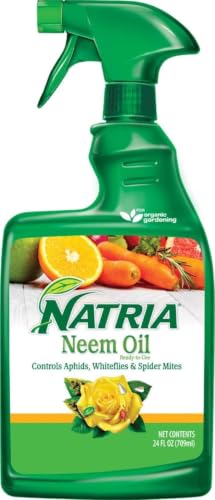
PLANT DISEASE CONTROL: Natria Neem Oil acts as an insecticide and fungicide in one convenient spray; Ready-to-use trigger sprayer requires no mixing
Consulting With a Professional
Consider seeking the expertise of a certified arborist or horticulturist to provide professional guidance on diagnosing and treating any persistent or complex loquat tree diseases. These experts can offer valuable insights and tailored recommendations to address specific issues affecting your loquat tree. Here's a helpful table to compare the benefits of consulting with a professional:
| Professional Guidance Benefits | Expert Arborist | Horticulturist |
|---|---|---|
| Accurate Diagnosis | ✔️ | ✔️ |
| Tailored Treatment Plan | ✔️ | ✔️ |
| Preventing Future Infections | ✔️ | ✔️ |
| Ongoing Maintenance Advice | ✔️ | ✔️ |
Conclusion
By staying vigilant and promptly addressing any signs of disease, you can maintain the health and vitality of your loquat tree. With proper care and attention, you can ensure its continued flourishing in your garden.
Remember to observe the tree regularly and seek professional guidance if needed. Your proactive approach will help keep your loquat tree disease-free, allowing it to thrive for years to come.
