

Persimmon trees can thrive in Pennsylvania, particularly in the warmer regions of the state. Choosing the right variety and understanding local growing conditions will ensure successful cultivation.
Best Persimmon Varieties for Pennsylvania
Choosing the correct persimmon variety is crucial for successful growth in Pennsylvania. The most suitable types for this region include the American persimmon and certain Asian varieties. American persimmons are hardy and can withstand colder temperatures, while some Asian varieties offer larger fruit but may require more care.
| Variety Type | Hardiness Zone | Fruit Size | Flavor Profile |
|---|---|---|---|
| American Persimmon | 4-9 | Small to Medium | Sweet, custard-like |
| Fuyu Persimmon | 7-10 | Medium to Large | Crisp, sweet |
| Jiro Persimmon | 7-10 | Medium to Large | Sweet, non-astringent |
Recommended Products

Lush Fuyu Jiro Persimmon Tree: Bring the beauty of a live, non-astringent fruiting plant into your garden with the American Plant Exchange Fuyu Jiro Persimmon Tree. Delivered in a 5 gallon pot, it stands tall at 2-3 feet, promising a vibrant addition to your outdoor landscape

GET FRUIT IN THE FIRST YEAR — Mature Trees Flower & Produce After 1-3 Years

9EzTropical - Fuyu Asian Persimmon - 2 Feet Tall - Ship in Pot
Persimmon Soil Preferences in Pennsylvania
Understanding the soil preferences of persimmon trees is crucial for successful cultivation in Pennsylvania. These trees thrive in specific soil conditions that can significantly impact their growth and fruit production. By examining the ideal soil types and characteristics, gardeners can create an environment conducive to healthy persimmon development in the Keystone State.
Persimmons prefer well-drained, loamy soil with a pH between 6.0 and 7.5. Testing soil before planting is essential. If necessary, amend the soil with organic matter to improve drainage and nutrient content.
Conduct a soil test to determine pH and nutrient levels.
Incorporate compost to enhance soil structure.
Ensure good drainage to prevent root rot.
Persimmon Planting Conditions in Pennsylvania
Understanding the specific planting conditions for persimmon trees in Pennsylvania is crucial for successful cultivation. This section delves into the ideal soil types, climate considerations, and other environmental factors that influence the growth of persimmons in the Keystone State. With the right conditions, these trees can thrive and produce delicious fruit.
Planting persimmons in the right conditions will lead to better growth and fruit production. They thrive in full sun and require protection from strong winds.
Choose a location with at least six hours of direct sunlight daily.
Space trees at least 15 feet apart to allow for proper air circulation.
Mulch around the base to retain moisture and suppress weeds.
Recommended Products
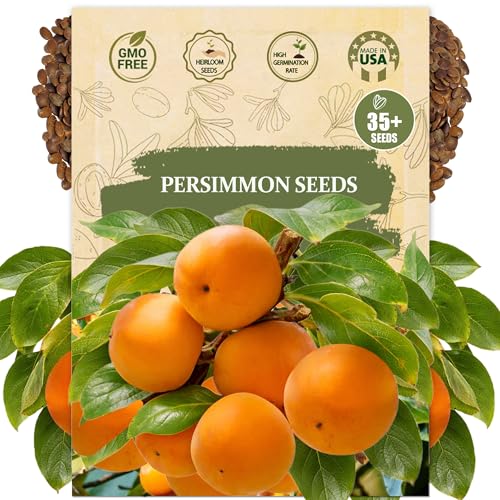
🌳 PERSIMMON TREE SEEDS FOR HOME GARDENS: Persimmon tree seeds are ideal for backyard gardens, raised beds, or seed-starting before transplanting outdoors in suitable climates.

These fruit tree seeds for planting promise plentiful crops of delicious fruits.

Fresh Homegrown Fruit: Grow your own persimmons at home from persimmon seeds and ensure the fresh taste of this unique fruit straight from your garden
Persimmon Tree Care: Watering and Fertilization
Caring for persimmon trees in Pennsylvania requires attention to specific watering and fertilization practices to ensure healthy growth. Understanding the unique climate and soil conditions of the Keystone State is essential for optimizing the care of these trees. Proper watering and nutrient management can significantly enhance fruit production and overall tree vitality.
Proper watering and fertilization are vital for persimmon health. Young trees require consistent moisture, while established trees need less frequent watering.
Water newly planted trees weekly for the first year.
Use a balanced fertilizer in early spring.
Avoid over-fertilizing, which can lead to excessive leaf growth at the expense of fruit.
Recommended Products
Not Available for Sell in WA, USA

Made for Lemon & Citrus Trees – Formulated to support healthy growth in lemon and citrus plants.

LASTING COLOR: Miracle-Gro Tree & Shrub Plant Food Spikes are fertilizer spikes for trees and shrubs; they promote vibrant color and foliage for trees and shrubs in your yard
Pest Control Techniques for Persimmons
Managing pests is crucial for the successful cultivation of persimmon trees in Pennsylvania. Given the state’s unique climate and ecosystem, specific techniques can help protect these trees from common threats. Understanding effective pest control methods will ensure healthy growth and fruitful yields for your persimmon trees.
Pest and disease management is essential for maintaining healthy persimmon trees. Common issues include scale insects and fungal diseases.
Inspect trees regularly for signs of pests.
Apply insecticidal soap if pests are detected.
Use fungicides to manage fungal infections, especially in humid conditions.
Year-Round Care Strategies for Persimmon Trees
Growing persimmon trees in Pennsylvania requires careful attention throughout the year to ensure their health and productivity. Understanding seasonal care strategies is essential for adapting to the state’s climate and soil conditions. This section outlines effective year-round practices to help your persimmon trees thrive in the Keystone State.
Seasonal care is important for persimmon trees to thrive throughout the year. Each season presents unique challenges and care requirements.
Spring Fertilization and Pruning for Persimmons
Spring is a crucial time for persimmon trees in Pennsylvania, as proper fertilization and pruning can significantly enhance their growth and fruit production. Understanding the specific needs of these trees during this season will help ensure they thrive in the Keystone State’s climate. Here are essential tips for fertilizing and pruning persimmons in the spring.
During spring, focus on fertilization and pruning.
Fertilize with a balanced formula as new growth begins.
Prune dead or crossing branches to promote air circulation.
Pest Control and Watering for Persimmons
Successfully growing persimmon trees in Pennsylvania requires careful attention to pest control and watering practices. These factors are crucial for ensuring healthy growth and fruit production in the region’s unique climate. Understanding the specific needs of persimmons will help gardeners navigate potential challenges and promote thriving trees.
Summer maintenance involves monitoring for pests and ensuring adequate water supply.
Check for pests weekly.
Water deeply during dry spells.
Winterizing Persimmon Trees in Pennsylvania
Winterizing persimmon trees in Pennsylvania is essential for their survival during the harsh winter months. Proper care and preparation can help these trees thrive despite the cold temperatures and potential snow cover. Understanding the specific needs of persimmons in this climate will ensure they remain healthy and productive for years to come.
In fall, prepare trees for winter by mulching and pruning.
Apply mulch to protect roots from freezing.
Prune to shape trees and remove any diseased wood.
Winter Care Strategies for Persimmon Trees
Winter can pose significant challenges for persimmon trees in Pennsylvania, where cold temperatures and harsh conditions can affect their health and growth. Understanding effective winter care strategies is essential for ensuring these trees thrive despite the seasonal challenges. This section outlines practical tips to help protect persimmon trees during the colder months.
Winter protection is crucial in Pennsylvania’s colder months.
Wrap young trees with burlap to shield against frost.
Ensure mulch remains in place to insulate roots.
Identifying Persimmon Growth Problems
Understanding the challenges of growing persimmon trees in Pennsylvania is essential for successful cultivation. This section explores common growth problems that may arise in the Keystone State, including environmental factors and pest issues that can hinder the health and productivity of these trees. By identifying these challenges, you can take proactive steps to ensure your persimmons thrive.
Identifying and addressing growth issues early can save your persimmon trees. Common problems include leaf drop and poor fruit set.
Leaf drop may indicate overwatering or nutrient deficiencies.
Poor fruit set can result from inadequate pollination or environmental stress.
Essential Tips for Growing Persimmons in Pennsylvania
Growing persimmons in Pennsylvania can be a rewarding endeavor, but it requires careful consideration of the state’s unique climate and soil conditions. This section provides essential tips to help you successfully cultivate these fruit trees, ensuring they thrive in the Keystone State’s environment. From selecting the right variety to understanding proper care techniques, you’ll find valuable insights for your gardening journey.
To ensure a fruitful harvest, follow these final tips.
Regularly monitor tree health.
Adjust care practices based on seasonal changes.
Engage with local gardening communities for support and advice.
By following these guidelines, you can successfully grow persimmon trees in Pennsylvania, enjoying their unique fruit for years to come.
