

Using neem oil on olive trees effectively combats pests and diseases while promoting overall tree health. This natural solution acts as an insect repellent and fungicide, making it a valuable addition to any home gardener’s toolkit.
Neem Oil Efficacy Against Olive Tree Pests
Neem oil is derived from the seeds of the neem tree and contains compounds that disrupt the life cycle of various pests. It is particularly effective against aphids, spider mites, and whiteflies. Additionally, neem oil helps to prevent fungal infections, including powdery mildew and root rot.
Using neem oil can improve the resilience of olive trees against environmental stressors. This oil is safe for beneficial insects when applied correctly, making it an eco-friendly choice for pest management.
Recommended Products
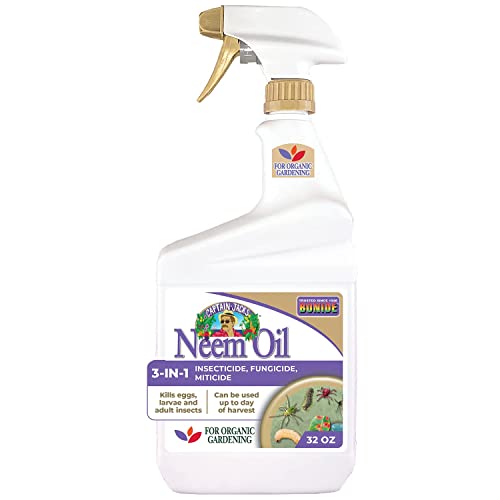
Protect your oasis with 3 garden products in 1 from Captain Jack’s; Bonide Captain Jack’s Ready-to-Use Neem Oil spray for plants is a multi-purpose fungicide, insecticide and miticide for your lawn & garden
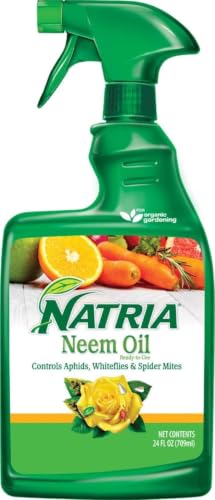
PLANT DISEASE CONTROL: Natria Neem Oil acts as an insecticide and fungicide in one convenient spray; Ready-to-use trigger sprayer requires no mixing

FUNGAL DISEASE CONTROL: Prevents and controls black spot on roses, powdery mildew, rust, downy mildew, and other listed fungal diseases when applied on a 7–14 day schedule
Essential Tools for Neem Oil Treatment
To effectively apply neem oil on olive trees, having the right tools is crucial for achieving optimal results. This section outlines the essential equipment and supplies needed for a successful treatment, ensuring that home gardeners can protect their trees from pests and diseases while promoting healthy growth. Equip yourself with these tools to make your neem oil application efficient and effective.
Before applying neem oil, gather the necessary supplies to ensure effective treatment. The right tools will help you apply the oil evenly and safely.
| Item | Purpose |
|---|---|
| Neem oil | Active ingredient |
| Spray bottle | Application tool |
| Water | Dilution medium |
| Measuring cup | Accurate mixing |
| Gloves | Skin protection |
Make sure to choose high-quality neem oil for the best results. Look for products labeled as cold-pressed and organic to maximize efficacy.
Neem Oil Application Safety Steps
Applying neem oil to olive trees can be an effective way to manage pests and diseases, but safety should always be a priority. Understanding the proper application techniques and safety measures ensures that both the gardener and the environment remain protected. This section outlines essential steps to safely use neem oil in your home garden.
Preparation is crucial for effective neem oil application. Follow these steps to ensure safety and effectiveness.
Read labels on neem oil products for specific instructions.
Wear gloves and a mask to protect your skin and lungs.
Dilute neem oil with water according to the product instructions. A common ratio is 1-2 tablespoons of neem oil per gallon of water.
Test a small area of the olive tree before full application to check for any adverse reactions.
Always apply neem oil in the evening or early morning to minimize the risk of leaf burn. Avoid applying during hot, sunny days.
Effective Neem Oil Application Techniques
Applying neem oil effectively can significantly enhance the health of olive trees while minimizing pest issues. This section delves into proven techniques for using neem oil, ensuring that home gardeners can maximize its benefits for their trees. Understanding the right methods will help in achieving optimal results and maintaining a thriving garden.
To achieve the best results, follow a systematic approach when applying neem oil to your olive trees.
Mix the neem oil with water in a spray bottle.
Shake well to ensure proper emulsification.
Spray the mixture onto the leaves, focusing on the undersides where pests often hide.
Reapply every 7-14 days or after rain to maintain effectiveness.
Ensure complete coverage of the foliage for the best pest control. Monitor your trees regularly for signs of improvement or further issues.
Neem Oil Application Frequency Adjustments
When using neem oil on olive trees, understanding the right application frequency is crucial for effective pest control and plant health. This section delves into how to adjust your neem oil application schedule based on various factors, ensuring optimal results while minimizing potential risks to your trees. Discover the best practices to maintain the vitality of your olive trees with neem oil.
After applying neem oil, monitor your olive trees for signs of pest activity or disease. Adjust your treatment frequency based on the following factors:
Pest severity: Increase frequency if pests persist.
Weather conditions: Rain may wash away treatments, requiring reapplication.
Tree health: Healthy trees may need less frequent treatments.
Regular monitoring helps you adapt your approach and maintain the health of your olive trees.
Neem Oil Application Challenges for Olive Trees
Applying neem oil to olive trees can present unique challenges that gardeners should be aware of. Factors such as timing, concentration, and environmental conditions can significantly affect the oil’s efficacy and the tree’s health. Understanding these challenges is essential for ensuring successful pest management while maintaining the vitality of your olive trees.
While neem oil is generally safe, issues may arise during application. Be aware of the following potential problems.
Leaf burn: Caused by applying neem oil during hot weather.
Ineffective pest control: May occur if the oil is not applied thoroughly.
Adverse reactions: Some trees may exhibit sensitivity; always test a small area first.
If you encounter any of these issues, adjust your application technique or frequency accordingly.
Final Warning on Neem Oil Use
While neem oil is a popular organic solution for pest control, its application on olive trees requires careful consideration. This section highlights critical precautions and potential risks associated with neem oil use, ensuring that home gardeners can make informed decisions to protect their olive trees and maintain their health.
Excessive application of neem oil can lead to negative effects on beneficial insects. Always follow recommended guidelines to maintain ecological balance in your garden.
Regularly assess the health of your olive trees and adjust your neem oil regimen as needed. This proactive approach will help ensure your trees thrive.
