

Growing banana trees in Bakersfield, CA is possible with the right techniques for managing the hot climate. Proper selection of varieties and effective care strategies are essential for thriving plants and successful fruit production.
Best Banana Varieties for Bakersfield’s Heat
Choosing the correct banana variety is crucial for success in Bakersfield’s hot climate. Varieties such as Dwarf Cavendish and Blue Java are well-suited for warmer areas. These types are known for their resilience and ability to produce fruit in less-than-ideal conditions.
Dwarf Cavendish: Compact size, sweet fruit, good for small spaces.
Blue Java: Cold-tolerant, unique flavor, silver-blue leaves.
| Variety | Height | Fruit Flavor | Cold Tolerance |
|---|---|---|---|
| Dwarf Cavendish | 4-5 feet | Sweet | Moderate |
| Blue Java | 6-10 feet | Vanilla-like | High |
Recommended Products

Growing banana plants at home promotes sustainability and self-sufficiency. Customers can reduce their reliance on store-bought bananas, which often come from far distances, and enjoy the satisfaction of harvesting their own organic fruit.

CHOOSE YOUR FAVORITE BANANA VARIETY – Select from Grand Nain, Dwarf Cavendish, Double Mahoi, Curly Tiny, or Basjoo Banana plants. Each variety offers unique characteristics, from sweet edible fruit to striking ornamental foliage and cold-hardy landscape performance.

MATURE SIZE & CARE GUIDE: Reaches an average mature height of 8-10 feet and thrives in Zones 8-11. Basked in sunlight, it will flourish in well-drained, rich soil, with an N/P/K fertilizer ratio of 3:1:6, like Wellspring Gardens' Banana Fuel Fertilizer. Take caution against freezing temperatures below 35°F. Administer 1/4 teaspoon of fertilizer weekly for indoor potted plants, 1/2 teaspoon for outdoor potted ones, and 1 teaspoon for outdoor landscape plants.
Optimal Site Selection for Banana Trees
Choosing the right location for banana trees in Bakersfield is crucial for their success in the hot climate. Factors such as sunlight exposure, soil quality, and wind protection play a significant role in ensuring healthy growth and fruit production. Understanding these elements will help you create an ideal environment for your banana plants.
Preparing the planting site is a vital step for successful growth. Banana trees prefer well-drained soil with plenty of organic matter. A sunny location with protection from strong winds is ideal.
Test Soil: Ensure pH is between 5.5 and 7.0.
Amend Soil: Incorporate compost or well-rotted manure to enhance nutrients.
Dig Holes: Create holes that are at least 2 feet deep and wide to accommodate root growth.
Irrigation and Nutrient Strategies for Bananas
Irrigation and nutrient management are crucial for successfully growing banana trees in the hot climate of Bakersfield, CA. Understanding the specific water requirements and nutrient needs of bananas can significantly enhance their growth and fruit production. This section explores effective strategies tailored to the region’s conditions, ensuring healthy and productive banana plants.
Proper watering and fertilizing practices will promote healthy growth. Banana trees require consistent moisture, especially during the growing season. Overwatering can lead to root rot.
Watering Schedule: Water deeply once a week, more frequently in extreme heat.
Fertilizer Choice: Use a balanced fertilizer with a higher potassium ratio to support fruit development.
Application Method: Apply fertilizer every 6-8 weeks during the growing season.
| Fertilizer Type | N-P-K Ratio | Frequency of Application |
|---|---|---|
| Balanced | 10-10-10 | Every 6-8 weeks |
| Potassium-rich | 5-10-20 | Every 6-8 weeks |
Recommended Products
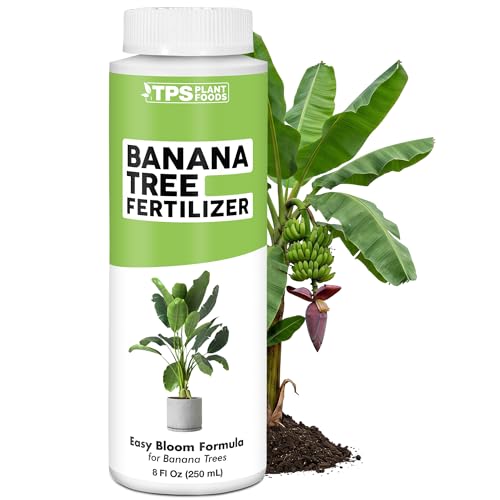
Made for Banana Trees – Specially formulated banana fertilizer designed to support the nutrient needs of banana plants.

PREMIUM FUEL LIQUID FERTILIZER: Wellspring Gardens Banana Fuel Liquid Fertilizer Concentrate provides a quality nutrient blend with minor elements that could grow your plants. Its 3-1-6 formula ratio is the ideal fertilizer ration according to University of Florida which is what our product is made of.

2X MORE VALUE: The 16 oz bottle of Banana Plant Fertilizer makes 16 gallons of banana fertilizer for fruit trees, while the bigger size 32 oz bottle makes 32 gallons for lasting care of your banana trees.
Pest and Disease Control for Banana Trees
Maintaining healthy banana trees in Bakersfield’s hot climate requires vigilant pest and disease management. The region’s unique environmental conditions can attract specific pests and pathogens that threaten the vitality of these plants. Understanding effective control methods is essential for ensuring robust growth and a fruitful harvest.
Monitoring for pests and diseases is essential for healthy banana trees. Common issues include aphids, spider mites, and fungal infections. Early detection and management can prevent severe damage.
Inspect Regularly: Check leaves and stems for signs of pests.
Use Organic Pesticides: Apply neem oil or insecticidal soap for pest control.
Promote Air Circulation: Space plants adequately to reduce humidity and fungal growth.
Recommended Products
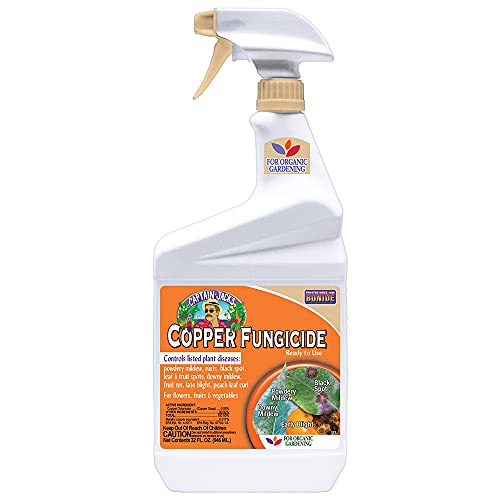
Control fungus and disease in your garden with Captain Jack’s ready-to-use Liquid Copper Fungicide!
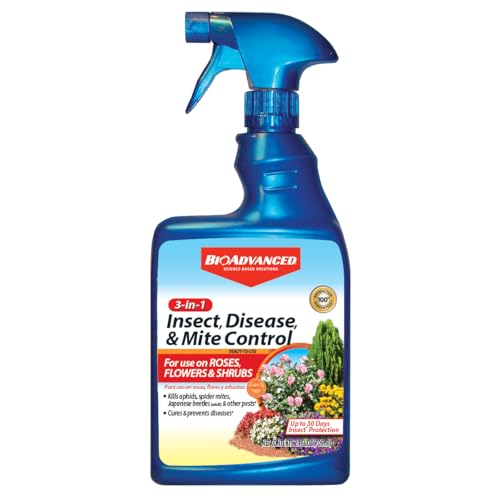
INSECT KILLER: Army worm killer. Also kills insects such as Aphids, Spider Mites, Japanese Beetles, Caterpillars, and other listed insects

KILLS LISTED FRUIT & CITRUS TREE INSECTS: Controls Asian Citrus Psyllid, Whiteflies, Aphids Thrips, Citrus Leafminers, Leafhoppers, Blackfly, Mealybugs, Scales, Avocado Lacebugs, Oriental Beetles, Flea Beetles, Sharpshooters, and Spittlebugs
Banana Harvest Timing for Optimal Flavor
Understanding the timing of banana harvest is crucial for achieving the best flavor, especially in the hot climate of Bakersfield, CA. This section delves into the ideal stages for harvesting bananas, ensuring that growers can enjoy the sweetest and most flavorful fruit from their trees. Knowing when to pick can significantly enhance the quality of your banana crop.
Harvesting bananas at the right time ensures the best flavor and quality. Bananas typically take 9-12 months to mature after planting. Look for specific indicators to determine the right time to harvest.
Color Change: Bananas should turn from green to a slight yellow.
Size Check: Ensure the fruit has reached its full size before cutting.
Cutting Method: Use a sharp knife to cut the entire bunch from the plant.
| Harvest Indicator | Description | Action Required |
|---|---|---|
| Color Change | Green to slight yellow | Prepare for harvest |
| Size Check | Full size achieved | Cut bunch carefully |
Bakersfield Banana Tree Seasonal Care Strategies
Successfully growing banana trees in Bakersfield requires an understanding of the region’s unique climate and seasonal changes. This section outlines essential care strategies tailored to the hot conditions of the area, ensuring that your banana trees thrive throughout the year. By following these guidelines, you can maximize growth and fruit production in your garden.
Seasonal care is essential to adapt to Bakersfield’s fluctuating temperatures. Protecting banana trees during extreme heat or cold will ensure their survival and productivity.
Mulching: Apply mulch around the base to retain moisture and regulate soil temperature.
Winter Protection: Use frost cloth or burlap to shield trees during cold snaps.
Summer Shade: Provide temporary shade during peak heat to prevent leaf scorch.
Neglecting seasonal care can lead to stunted growth and reduced fruit yield.
Best Practices for Growing Bananas in Bakersfield
Growing banana trees in Bakersfield can be a rewarding endeavor, especially given the region’s hot climate. To ensure healthy growth and fruitful yields, it’s essential to follow specific best practices tailored to the unique conditions of this area. From soil preparation to watering techniques, these guidelines will help you cultivate thriving banana plants.
Growing banana trees in Bakersfield can be rewarding with the right practices. Focus on variety selection, site preparation, and consistent care to achieve success in this hot climate.
