

Apricot trees in Nebraska require specific protection strategies against high winds to thrive. Implementing effective windbreaks and proper staking techniques can significantly reduce damage and ensure healthy growth.
Wind Impact on Nebraska Apricot Trees
High winds can cause severe damage to apricot trees, particularly during their early growth stages. The physical stress from strong gusts can lead to broken branches, uprooted trees, and overall stunted growth. Understanding how wind affects these trees is essential for effective protection.
Factors contributing to wind damage include:
Tree age and size
Soil conditions
Proximity to other structures
Recognizing these factors helps in developing a comprehensive protection plan.
Windbreak Strategies for Apricot Trees
High winds can pose a significant threat to apricot trees in Nebraska, impacting their growth and fruit production. Implementing effective windbreak strategies is essential for safeguarding these delicate trees, ensuring they thrive in the face of challenging weather conditions. This section explores various methods to create protective barriers that can enhance the resilience of apricot orchards.
Creating a windbreak is one of the most effective methods to shield apricot trees from high winds. A windbreak can be formed using natural or artificial barriers that reduce wind speed and protect the trees.
Recommended Products

Perfectly Protect Your Yard Privacy: 90% visibility blocking, prevent peeping outside the yard, block nose neighbors see through, protect safety and enjoy freedom. It can also prevent animals from entering your yard, block surrounding noise and street views, block dogs' sight and prevent bark.

Premium Quality:Made from 170 GSM UV-protected non-recycled HDPE fabric; features durable brass grommets and black binding; reinforced with double-reinforced edges for extended lifespan and durability
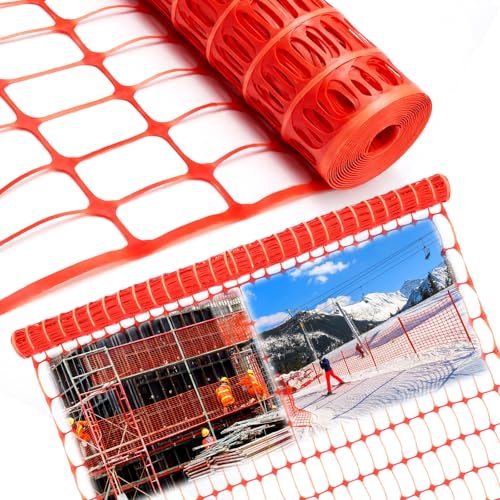
Temporary Safety: safety mesh fencing measures 4 x 50 feet in bright orange for high-visibility boundaries, serving as a good temporary barrier for construction sites, roadwork hazard areas, and crowd control at outdoor events for maximum public safety
Effective Windbreak Options for Apricot Trees
High winds can pose a significant threat to apricot trees in Nebraska, impacting their growth and fruit production. Implementing effective windbreak options is essential for safeguarding these delicate trees. The following strategies provide practical solutions to minimize wind damage and promote healthier apricot orchards.
When selecting a windbreak, consider the following options:
Natural windbreaks: Planting dense rows of shrubs or trees that can absorb wind energy.
Artificial windbreaks: Using fences or screens made from materials like burlap or mesh.
Key Considerations for Windbreaks
Height: The windbreak should be taller than the apricot trees.
Density: A denser windbreak provides better protection.
Distance: Place the windbreak at least 10-15 feet away from the trees to avoid competition for nutrients.
| Windbreak Type | Advantages | Disadvantages |
|---|---|---|
| Natural | Eco-friendly, improves biodiversity | Takes time to grow |
| Artificial | Immediate protection | May require maintenance |
Staking Methods for Wind-Resistant Apricot Trees
Staking apricot trees is essential for ensuring their stability in Nebraska’s high winds. Proper staking methods can help young trees establish strong root systems while minimizing damage from harsh weather conditions. Understanding the best techniques for securing these trees will contribute to their long-term health and productivity.
Staking apricot trees is crucial, especially in areas prone to high winds. Proper staking provides additional support and stability, helping trees withstand strong gusts.
Effective Staking Techniques for Apricot Trees
Staking apricot trees is crucial for their stability, especially in Nebraska where high winds can pose a significant threat. Proper techniques not only support the young trees as they grow but also promote healthy development and resilience against harsh weather conditions. Understanding effective staking methods can make a substantial difference in the survival and productivity of these trees.
Several staking methods can be employed:
Single stake: Use a single stake driven into the ground next to the tree. Secure the tree to the stake with soft ties.
Double stake: Place two stakes on opposite sides of the tree for added support.
Steps for Effective Staking
Select sturdy stakes: Use wood or metal stakes that are at least 4-6 feet tall.
Drive stakes into the ground: Ensure they are deep enough to provide stability.
Secure the tree: Use soft ties to avoid damaging the bark.
Soil Stability Techniques for Apricot Trees
Ensuring the stability of apricot trees in Nebraska’s windy conditions is crucial for their growth and productivity. Implementing effective soil stability techniques can help mitigate the risks associated with high winds, allowing these trees to thrive. This section explores various methods to enhance soil integrity and support the healthy development of apricot trees in challenging environments.
Healthy soil contributes to the stability of apricot trees. Proper soil management enhances root strength, making trees more resilient to wind.
Soil Management for Apricot Trees
Soil management is crucial for the health and productivity of apricot trees in Nebraska, especially given the challenges posed by high winds. Proper soil practices can enhance root stability and nutrient availability, ensuring that these trees thrive despite the environmental stresses they face. Understanding the specific soil requirements will help growers cultivate resilient apricot orchards.
Consider the following practices:
Aeration: Improve soil structure and drainage.
Mulching: Retain moisture and regulate temperature.
Fertilization: Use balanced fertilizers to promote healthy growth.
Soil Composition Table
| Soil Component | Ideal Percentage |
|---|---|
| Sand | 30% |
| Silt | 40% |
| Clay | 30% |
Apricot Tree Wind Damage Monitoring
Monitoring wind damage to apricot trees is crucial for their health and productivity, especially in Nebraska’s variable climate. High winds can lead to broken branches, uprooting, and other structural issues that compromise the tree’s growth. Understanding the extent of wind damage allows for timely interventions to safeguard these valuable fruit-bearing trees.
Regular monitoring and maintenance are vital for the long-term health of apricot trees. This includes checking for signs of wind damage and ensuring that protective measures remain effective.
Tree Inspection and Care Guidelines
Ensuring the health and stability of apricot trees in Nebraska requires vigilant inspection and care, especially in regions prone to high winds. This section outlines essential guidelines for assessing tree condition and implementing effective care strategies to mitigate wind damage, helping to maintain the vitality of these valuable trees.
Inspect trees regularly: Look for broken branches or signs of stress.
Adjust windbreaks as needed: Ensure they are still effective as trees grow.
Re-stake if necessary: Check if stakes need adjustment or replacement.
Failing to maintain protective measures can lead to irreversible damage to apricot trees.
Wind Protection Strategies for Apricot Trees
In Nebraska, apricot trees face significant challenges from high winds that can damage branches and disrupt growth. Implementing effective wind protection strategies is essential for ensuring the health and productivity of these trees. This section explores various methods to shield apricot trees from harsh wind conditions, promoting their resilience and longevity.
Implementing a combination of windbreaks, proper staking, soil management, and ongoing maintenance will significantly enhance the resilience of apricot trees in Nebraska. Prioritize these strategies to ensure healthy growth and minimize wind damage.
Recommended Products
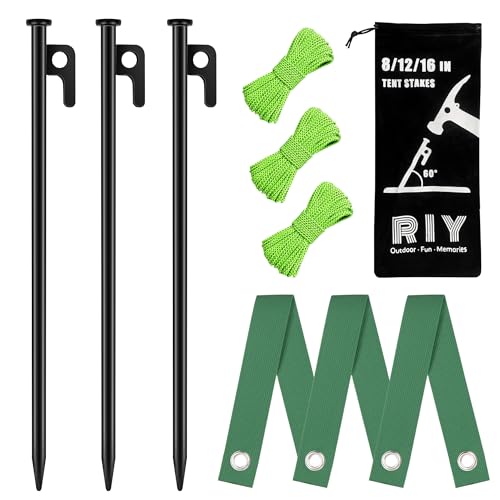
HIGH QUALITY AND DURABLE: Forged plant stakes (12") is not easy to bend, high-strength nylon tree rope (118") , wear resistant fabric tree straps tearing resistance, stable and reliable

【Heavy Duty Spiral Stakes】Compared to ordinary straight stakes, the spiral structure provides excellent grip. It can firmly fix your trees in place, resisting strong winds and harsh outdoor conditions. Constructed with high-quality metal, these heavy-duty spiral stakes won’t easy bend or snap. Suitable for hard, rocky ground and grassland

Perfect Tree Staking Kit: Our tree stake straight kits set includes 3 PCS tree strap ties for staking, 3 PCS steel tree stakes, and a 31.2 feet length rope for anchoring. Detailed instructions are included in the product packaging. This is a complete kit that you don't need to buy any other related accessories.
