

Jujube trees thrive in Fort Worth, TX, thanks to their heat resistance and adaptability to local conditions. Proper care and strategic planting can enhance their growth and fruit production significantly.
Choosing Jujube Varieties for Fort Worth Climate
Selecting the right jujube varieties is crucial for thriving in Fort Worth’s unique climate. With its hot summers and varying soil conditions, understanding which types are best suited can significantly enhance growth and fruit production. This section will explore the most suitable jujube varieties that can withstand the local environment while delivering optimal results.
Selecting the right jujube tree variety is crucial for success in Fort Worth. Different varieties exhibit varying levels of heat tolerance, fruit size, and flavor profiles.
Popular choices include the Li and Lang varieties, known for their resilience and productivity in hot climates. Understanding their characteristics will help you choose the best fit for your landscape.
| Variety | Heat Tolerance | Fruit Size | Flavor Profile |
|---|---|---|---|
| Li | High | Medium | Sweet |
| Lang | High | Large | Crisp |
Choose the Right Planting Location
Selecting the ideal planting location for jujube trees in Fort Worth is crucial for their success, especially given the region’s heat. Proper site selection can enhance growth and fruit production, ensuring these resilient trees thrive in the local climate. Understanding the environmental factors at play will help you make informed decisions for optimal planting.
Selecting an optimal planting location is essential for jujube trees. They require full sun exposure for at least six hours daily.
Well-draining soil is critical to prevent root rot. Avoid areas with heavy shade or waterlogged soil. Consider the following factors when choosing a site:
Sunlight: Ensure full sun for optimal growth.
Soil Type: Use sandy or loamy soil for drainage.
Space: Allow at least 10 feet between trees for air circulation.
Soil Testing for Jujube Tree Health
Understanding the soil composition is crucial for the successful growth of jujube trees in Fort Worth, TX. Soil testing provides essential insights into nutrient levels and pH balance, helping gardeners create optimal conditions for these heat-resistant trees. This section will guide you through the importance of soil testing and how to interpret the results for healthier jujube trees.
Soil preparation directly influences the health of your jujube trees. Conduct a soil test to determine pH and nutrient levels.
Jujube trees prefer slightly acidic to neutral soil (pH 6.0 to 7.0). Amend the soil as needed to create ideal conditions. Follow these steps to prepare the soil:
Test Soil: Use a home testing kit for pH and nutrients.
Amend Soil: Add compost or well-rotted manure to improve fertility.
Tillage: Turn the soil to a depth of 12 inches for aeration.
Recommended Products

Quick, at home results for Soil pH, Nitrogen, Phosphorous and Potash Innovative and inexpensive soil test kit features an easy-to-use capsule system and patented color comparators

KNOW BEFORE YOU GROW | Grow the healthiest, sustainable lawn and garden with the most accurate and easy to use professional soil test kit on the market

Accurate Soil pH Testing: Dewildetradingco Soil pH Test Strips offer measurements of soil pH levels (pH 3.5-9). As an essential tool for every gardener and grower, these test strips help determine the optimal pH for various plants, such as outdoor plants, indoor plants, gardens, grass lawns, fruit trees, flowers, vegetables, and forest shrubs.
Watering Strategies for Jujube Trees
Effective watering is crucial for the health of jujube trees, especially in the hot climate of Fort Worth, TX. Understanding the specific needs of these heat-resistant trees will help ensure they thrive and produce abundant fruit. Explore targeted strategies to optimize watering and support your jujube trees throughout the growing season.
Effective watering techniques are vital for jujube trees, especially during the hot summer months. Deep watering encourages robust root development.
Avoid shallow, frequent watering, which can lead to weak roots. Implement the following watering strategies:
Frequency: Water deeply once a week during dry spells.
Method: Use a soaker hose or drip irrigation for efficiency.
Monitoring: Check soil moisture levels before watering.
Recommended Products
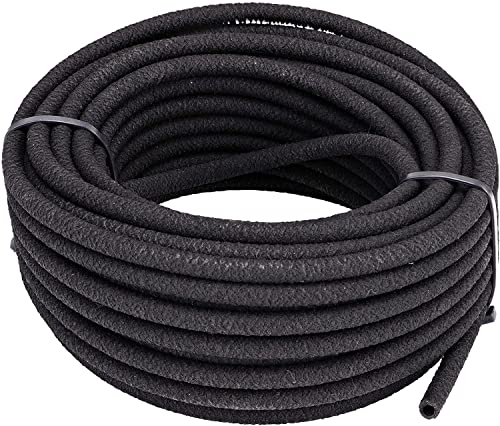
Slowly waters the soil around your plants for complete root zone hydration; Ideal for short runs on flat surfaces, such as vegetable gardens, borders, and around small plants

【Even & Consistent Root Watering】Features micro-pore seepage technology that distributes water evenly along the entire hose, transforming spot watering into uniform line watering directly to plant roots. Unlike traditional drip irrigation systems with clog-prone emitters, this soaker hose creates a continuous moisture band for healthier, deeper-rooted plants

GENTLE WATERING: Disperses water into a soft, even flow to protect delicate plants, seedlings, and soil from erosion and washout
Optimal Fertilization Timing for Jujube Trees
Understanding the best times to fertilize jujube trees is essential for their growth and productivity, especially in the unique climate of Fort Worth, TX. This section will explore the optimal timing for fertilization, ensuring these heat-resistant trees thrive and yield abundant fruit throughout the growing season.
A proper fertilization schedule ensures that jujube trees receive necessary nutrients. Use a balanced fertilizer with a ratio of 10-10-10 or similar.
Apply fertilizer in early spring as trees begin to leaf out. Follow these guidelines for effective fertilization:
Timing: Fertilize in early spring and again in late summer.
Application: Spread fertilizer evenly around the base, avoiding direct contact with the trunk.
Watering: Water thoroughly after fertilizing to activate nutrients.
Pruning Strategies for Jujube Tree Health
Pruning is essential for maintaining the health and productivity of jujube trees, especially in the heat of Fort Worth, TX. Proper techniques can enhance air circulation, promote fruit production, and prevent disease. Understanding effective pruning strategies will ensure your jujube trees thrive in the challenging climate.
Regular pruning is essential for maintaining the shape and health of jujube trees. Pruning encourages better air circulation and sunlight penetration, leading to increased fruit production. Follow these steps for effective pruning:
Timing: Prune in late winter before new growth begins.
Method: Remove dead or crossing branches and thin out crowded areas.
Tools: Use sharp pruning shears for clean cuts.
Pest Monitoring for Jujube Trees
Effective pest monitoring is essential for the health of jujube trees in Fort Worth, TX, where the climate can attract various pests. By staying vigilant and employing specific strategies, you can protect your trees from potential threats, ensuring they thrive in the heat. Understanding the common pests and their behaviors will help you maintain a healthy jujube tree population.
Jujube trees are relatively pest-resistant, but monitoring is still necessary. Common pests include aphids and spider mites.
Implement integrated pest management strategies to keep your trees healthy. Consider these actions:
Inspection: Regularly check leaves for signs of pests.
Natural Predators: Encourage beneficial insects like ladybugs.
Organic Solutions: Use insecticidal soap for minor infestations.
Recommended Products

READY-TO-USE CONTACT SPRAY: No mixing required. Thoroughly spray insecticide on all plant parts, including the underside of leaves. Pests must be sprayed directly to achieve control
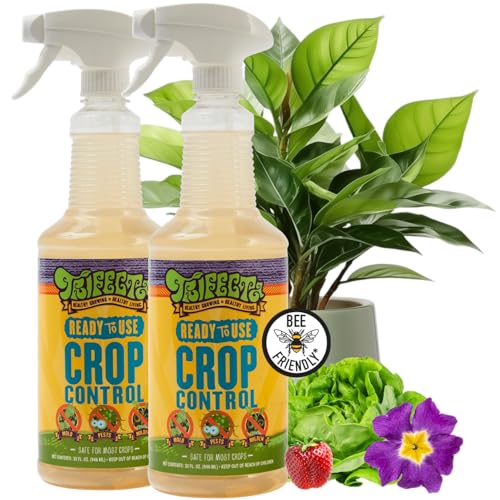
CROP, GARDEN & HOUSEPLANT INSECT CONTROL. Trifecta Crop Control plant based formula targets spider mites, aphids, whiteflies, fungus gnats and other soft bodied pests on indoor and outdoor plants. Safe for edible crops and biodegradable.

CROP, GARDEN & HOUSEPLANT INSECT CONTROL. Trifecta Crop Control all-natural, plant-based formula effectively combats destructive spider mites, aphids, whiteflies, fungus gnats, and other soft-bodied pests on indoor and outdoor plants. Our biodegradable, eco-friendly solution is safe for use on edible crops, without chemical residues. Our gentle yet potent plant spray suffocates and dehydrates pests without harming beneficial insects or the environment, making it ideal for organic gardening.
Jujube Harvest Timing for Best Flavor
Understanding the optimal timing for harvesting jujube fruit is crucial for achieving the best flavor and quality. In Fort Worth, TX, factors such as climate and tree maturity play significant roles in determining when to pick these heat-resistant gems. This section will guide you through the ideal harvest period to ensure a delicious yield.
Harvesting jujube fruit at the right time is crucial for flavor and quality. Jujubes can be eaten fresh or dried.
Monitor the fruit for color and firmness. Follow these harvesting guidelines:
Timing: Harvest when fruit turns brown and feels slightly soft.
Method: Gently twist or cut fruit from the tree.
Storage: Store fresh fruit in a cool, dry place or dry for later use.
Environmental Impact on Jujube Health
Understanding the environmental factors that influence jujube tree health is crucial for successful cultivation in Fort Worth, TX. This section explores how local climate conditions, soil quality, and water availability affect the growth and resilience of these heat-resistant trees, providing valuable insights for both novice and experienced growers.
Environmental factors can significantly impact jujube tree health. Monitor temperature fluctuations and soil moisture levels.
Adjust care practices as needed to accommodate changing conditions. Be vigilant about:
Temperature: Protect trees from extreme cold with mulch.
Moisture: Adjust watering based on rainfall patterns.
Sunlight: Ensure trees receive adequate light as surrounding vegetation grows.
Jujube Care Strategies for Fort Worth
Jujube trees can thrive in Fort Worth with the right care and attention. Focus on selecting the appropriate variety, preparing the soil, and implementing effective watering and fertilization techniques. Regular monitoring for pests and environmental changes will further enhance success.
