

Growing apple trees in Omaha, NE requires understanding the unique challenges posed by Midwestern winds and frost. Selecting the right varieties and implementing protective measures will ensure successful fruit production in this climate.
Hardy Apple Cultivars for Omaha’s Climate
Choosing the right apple tree varieties is crucial for success in Omaha’s climate. The Midwest experiences temperature fluctuations and strong winds, making it essential to select varieties that can withstand these conditions. Look for cultivars that are known for their hardiness and adaptability.
Consider the following apple varieties:
| Variety | Hardiness Zone | Flavor Profile | Disease Resistance |
|---|---|---|---|
| Honeycrisp | 3-7 | Sweet and Crisp | Moderate |
| Haralson | 3-7 | Tart and Juicy | High |
| Enterprise | 4-7 | Sweet and Spicy | High |
| Cortland | 3-7 | Sweet and Tart | Moderate |
These varieties not only thrive in the local climate but also offer diverse flavors for different uses.
Recommended Products

Live Fruit-Bearing Apple Tree – Grow your own Gravenstein apples, a classic heirloom variety known for its sweet-tart flavor and crisp texture, perfect for fresh eating, baking, and cider-making

Live Fruit-Bearing Apple Tree – Grow your own McIntosh apples, a beloved heirloom variety known for its sweet-tart flavor, juicy texture, and bright red skin, perfect for fresh eating, applesauce, baking, and cider-making

The apples produced have multiple uses, suitable for fresh eating, baking into pies, or creating homemade applesauce
Omaha Frost Dates and Apple Tree Care
Understanding the frost dates in Omaha is crucial for successful apple tree cultivation in this Midwestern climate. The unique weather patterns, including late spring frosts and early autumn chills, can significantly impact fruit production. Proper care and timing can help ensure healthy growth and a fruitful harvest despite these challenges.
Frost can severely impact apple tree growth and fruit production. Late spring frosts can damage blossoms, leading to reduced yields. Understanding the frost dates in Omaha helps in planning planting and protecting trees.
Omaha typically experiences its last frost around mid-April. It is crucial to monitor local weather forecasts during this time. Implementing protective measures can mitigate damage from unexpected frosts.
Recommended Products
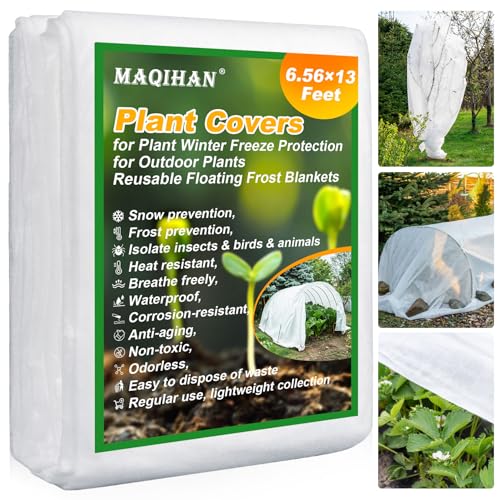
Product Features: Our plant covers are ideal for protecting all plant. Made from premium 1 oz/sq non-woven fabric, their durability and breathability ensuring both insulation against frost and facilitation of sunlight penetration for healthy plant growth

Comprehensive Winter Protection for Your Garden: Our outdoor plant covers provide complete freeze protection for strawberries, vegetables, tomatoes, fruit trees, citrus plants, shrubs, and potted plants throughout the winter. This frost cloth plant freeze protection shields delicate plants from sudden temperature drops, frost, and strong winds, ensuring they survive harsh winter conditions. Ideal for those looking for frost blankets for outdoor plants and reliable plant freeze protection covers.
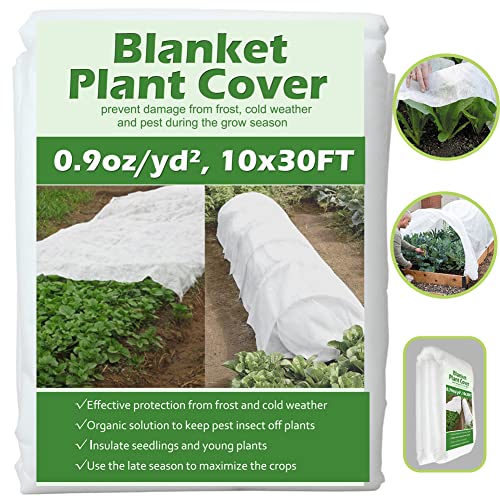
※Big Size to cover large area : The size of our plant cover is 10x30ft, the size can cover large areas. You can cut the plant covers freeze protection into different sizes for different use. You can cover it over the plant such as shrub tomato, pepper, pumpkin, and so on.
Frost Mitigation Strategies for Apple Trees
In Omaha, NE, the unique challenges posed by Midwestern winds and frost can significantly impact apple tree growth and fruit production. Understanding effective frost mitigation strategies is essential for local growers to protect their trees during critical periods. This section explores practical techniques to safeguard apple trees against the harsh elements of the region.
Utilizing effective frost protection techniques is essential for safeguarding apple trees. Here are some strategies to consider:
Row Covers: Use lightweight fabric to cover trees during frost events. This traps heat and protects blossoms.
Mulching: Apply organic mulch around the base of trees to retain soil warmth and reduce frost penetration.
Windbreaks: Planting shrubs or trees to act as windbreaks can reduce the impact of cold winds on apple trees.
Wind Damage Mitigation for Apple Trees
In Omaha, NE, apple trees face unique challenges from the region’s strong winds and frost conditions. Understanding effective strategies for mitigating wind damage is crucial for maintaining healthy trees and ensuring fruitful harvests. This section explores practical methods to protect apple trees from the adverse effects of the Midwestern climate.
Strong winds can cause physical damage to apple trees, leading to broken branches and reduced fruit production. Proper management techniques can minimize this risk and promote healthy growth.
Recommended Products

Everything You Need is Included - Steel tree stake kits includes 3 steel stakes (11.8 inch), 3 straps (15.75 inch), and 3 ropes (13.12 FT) for anchoring. The diameter 4mm ropes come with aluminium tensioners for quick set up. Strong metal stakes without the worry of breaking in half or bending like plastic stakes, enough to hold the tree firmly. The straps are wide enough to spread the load so there's little chance that it will damage the bark or constrict the tree in any way

Perfect Tree Staking Kit: Our tree stake straight kits set includes 3 PCS tree strap ties for staking, 3 PCS steel tree stakes, and a 31.2 feet length rope for anchoring. Detailed instructions are included in the product packaging. This is a complete kit that you don't need to buy any other related accessories.

Use for Hurricane protection: Our tree straps are made of quality materials that can provide strong support to your trees. Even in stormy weather, you don't need to worry about your trees being blown down by the wind.
Omaha Apple Tree Wind Protection Methods
Omaha’s unique climate presents challenges for apple tree cultivation, particularly due to its windy conditions and frost risks. Understanding effective wind protection methods is essential for ensuring healthy growth and fruitful harvests. This section explores various strategies to safeguard apple trees from the elements in this Midwestern environment.
Implementing wind resistance strategies is vital for maintaining tree integrity. Consider the following actions:
Staking Young Trees: Use stakes to support young trees until their root systems are established.
Pruning: Regularly prune trees to remove weak branches that are more susceptible to wind damage.
Spacing: Plant trees with adequate spacing to allow airflow, reducing wind resistance.
Essential Maintenance for Omaha Apple Trees
Maintaining apple trees in Omaha requires a keen understanding of the local climate, particularly the challenges posed by Midwestern winds and frost. Proper care not only enhances fruit quality but also ensures the trees thrive despite the region’s unpredictable weather. This section outlines the essential maintenance practices tailored for successful apple cultivation in this unique environment.
Caring for apple trees in Omaha involves regular maintenance and attention to local conditions. Here are essential tasks to keep in mind:
| Task | Frequency | Purpose |
|---|---|---|
| Pruning | Annually | Shape trees and remove dead wood |
| Fertilizing | Spring and Fall | Promote healthy growth |
| Pest Control | As Needed | Protect against infestations |
| Watering | Weekly | Ensure adequate moisture |
Regular maintenance not only enhances tree health but also improves fruit quality and yield.
Apple Harvest Timing and Ripeness Indicators
Understanding the timing of apple harvest and the indicators of ripeness is crucial for successful cultivation in Omaha, NE. The unique climate conditions, including Midwestern winds and frost patterns, influence when apples reach their optimal flavor and texture. This section explores the key signs to look for and the best practices for harvesting apples in this region.
Harvesting apples at the right time is crucial for optimal flavor and texture. Understanding the signs of ripeness will help ensure a successful harvest.
Indicators of Apple Ripeness
Understanding the indicators of apple ripeness is crucial for successful harvesting in Omaha’s unique climate. The interplay of Midwestern winds and frost can affect the timing and quality of apples, making it essential to recognize the signs that signal when these fruits are ready to be picked. This section delves into the key characteristics to look for in ripe apples.
Look for the following indicators when determining if apples are ready to be picked:
Color Change: Apples will develop their mature color.
Ease of Picking: Ripe apples should come off the tree with a gentle twist.
Taste Test: Sampling fruit will confirm flavor readiness.
Implementing these practices will lead to a bountiful harvest, ensuring that your apple trees thrive in Omaha’s unique climate.
