

Do you dream of harvesting sweet, juicy cantaloupes right from your own garden? Picture this: you step outside, pluck a perfectly ripe melon off the vine, and savor its delicious flavor. But maybe you’ve tried growing cantaloupe seeds before, only to be met with disappointment. The vines didn’t thrive, or the fruits lacked that signature sweetness.
Key Takeaways
- Understanding the basics of cantaloupe seeds is crucial for successful growing.
- Select cantaloupe seed varieties that suit your climate, space, and taste preferences.
- Prepare well-draining soil with optimal pH levels and plant in full sunlight for healthy growth.
- Follow proper planting techniques such as seed spacing, depth, and watering consistency.
- Care for young cantaloupe plants by providing adequate water, nutrition, and pest management.
- Harvest ripe cantaloupes based on color and aroma indicators; store them properly for freshness.
Understanding Cantaloupe Seed Basics
Cantaloupe seeds are the starting point for growing your own delicious melons. These small but mighty seeds contain all the genetic information needed to produce thriving cantaloupe plants in your garden. Understanding the basics of cantaloupe seeds is crucial to ensure a successful growing experience.
What Are Cantaloupe Seeds?
Cantaloupe seeds are tiny, oval-shaped seeds found at the center of a ripe cantaloupe fruit. Each seed has the potential to grow into a full-fledged cantaloupe plant that bears sweet and juicy melons. These seeds are essential for propagation and play a vital role in determining the quality and characteristics of the resulting fruits.
Best Varieties for Planting
When selecting cantaloupe seeds for planting, it’s important to choose varieties that thrive in your specific growing conditions. Some popular cantaloupe varieties known for their flavor, size, and adaptability include:
- Hale’s Best: This classic heirloom variety is prized for its exceptional sweetness and aromatic flavor.
- Sugar Cube: A compact variety perfect for smaller gardens, known for its high sugar content.
- Ambrosia: Renowned for its delectable taste and juicy texture, making it a favorite among melon enthusiasts.
- Eden’s Gem: Ideal for cooler climates, this variety produces small, flavorful melons that are perfect for personal consumption.
Selecting the right cantaloupe variety based on your climate, space availability, and taste preferences can significantly impact your success in growing flavorful melons from seed.
Preparing to Plant Cantaloupe Seeds
To ensure successful growth of cantaloupe seeds, you need to prepare properly before planting them. Here are essential steps to follow:
Recommended Products

NUTRIENT-RICH, NATURAL, AND ORGANIC SOIL: Grow a bountiful garden in your home with the Back to the Roots All-Purpose Natural and Organic Peat-Free 3-in-1 Seed Starting Mix, packed with the nutrients needed for your plants, flowers, and vegetables to thrive

Includes Back to the Roots Compressed Seed Starting Potting Mix that expands to 12qt of soil. A balanced pH, which means it’s truly all-purpose. Use alone or as an amendment for anything in a pot or in the ground — vegetables, flowers, herbs, and even starting seeds.

This natural and organic seed starting soil mix is enhanced with peat moss, vermiculite and lime
Choosing the Right Soil
Select well-draining soil with a pH level between 6.0 and 6.8 for optimal cantaloupe growth. Sandy loam or loamy soils are ideal as they provide good drainage while retaining enough moisture for the seeds to sprout.
Optimal Planting Conditions
Plant cantaloupe seeds in an area that receives full sunlight for at least 6-8 hours a day. Ensure the soil temperature is around 70°F (21°C) for proper germination. Space the seeds about 2 feet apart in rows or mounds, allowing ample room for vine expansion.
By preparing the right soil and ensuring optimal planting conditions, you set the stage for healthy cantaloupe seed growth.
Planting Your Cantaloupe Seeds
Before you start planting your cantaloupe seeds, it’s essential to follow a step-by-step guide to ensure successful growth. Here are some tips for seed spacing and depth to help you cultivate healthy cantaloupe plants.
Step-by-Step Guide to Planting
- Prepare the Soil: Begin by ensuring you have well-draining soil with a pH level between 6.0 and 6.8. This optimal soil condition will provide the necessary nutrients for your cantaloupe seeds to thrive.
- Choose the Right Location: Select a sunny spot in your garden that receives full sunlight for most of the day. Cantaloupes require ample sunshine to grow successfully.
- Plant at the Right Time: Wait until the soil temperature reaches around 70°F (21°C) before planting your seeds. This temperature is ideal for germination and healthy plant development.
- Sow the Seeds: Plant your cantaloupe seeds about 1 inch deep into the soil, spacing them at least 36 inches apart to allow room for vine expansion as they grow.
- Water Consistently: Keep the soil moist but not waterlogged during the germination period. Once your plants are established, water deeply but infrequently to encourage strong root growth.
- Monitor Growth: Regularly check on your plants for any signs of pests or diseases. Address any issues promptly to ensure healthy growth throughout the season.
- When spacing out your cantaloupe seeds, remember that these plants require ample room for their vines to spread out as they grow.
- Aim to plant each seed about an inch deep in well-prepared soil, ensuring good seed-to-soil contact without burying them too deeply.
- Proper seed spacing and depth are crucial factors in promoting robust plant development and maximizing fruit yield.
Caring for Young Cantaloupe Plants
When it comes to caring for young cantaloupe plants, there are essential factors to consider to ensure their healthy growth and maximize fruit production. Here’s how you can nurture your cantaloupe plants effectively:
Recommended Products

Balanced Organic Nutrition – Supplies a 6‑3‑3 NPK ratio along with calcium, sulfur, iron, and zinc to foster healthy foliage, flowering, and fruit.

🍋 EXPLOSIVE HARVEST: GardenWise ignites a remarkable yield boost. Its scientific blend, featuring 6% nitrogen for growth, 4% phosphorus for flowering, and 6% potassium for fruit quality, culminates in an abundance of flavorful, aromatic fruits. This is more than growth; it's a nutrient-powered revolution in your citrus yield.

Package contains 30 fertilizer spikes for palm trees, plants, and ferns and is produced to avoid wasteful runoff, mess, hazards and smells
Watering Requirements
Water is crucial for the growth of young cantaloupe plants. Ensure that you water them consistently, especially during dry periods. It’s important not to overwater as this can lead to root rot. A good practice is to water deeply but infrequently, allowing the soil to dry out slightly between watering sessions.
Fertilization and Nutrition
Young cantaloupe plants benefit from regular fertilization to support their growth and fruit development. Use a balanced fertilizer with equal parts nitrogen, phosphorus, and potassium. Apply the fertilizer according to the recommended dosage on the packaging, typically every few weeks during the growing season.
By paying attention to watering needs and providing adequate nutrition through fertilization, you’ll set your young cantaloupe plants up for success in producing delicious fruits.
Common Challenges in Growing Cantaloupe
Growing cantaloupes can be rewarding, but it also comes with its share of challenges. It’s essential to be aware of potential issues that may arise during the cultivation process to ensure successful growth and a bountiful harvest.
Recommended Products

EASIER SEED STARTING: Our Burpee SuperSeed tray with 36 flexible pop-out cells is designed to simplify indoor seed starting for all your favorite vegetables, flowers and herbs. Just add seed starting mix, seeds, water and light to get growing! Rows are labeled alphanumerically for seedling identification with included Plant-o-Gram diagram. Tray dimensions: 11.5" x 10-3/8" x 2-1/4"
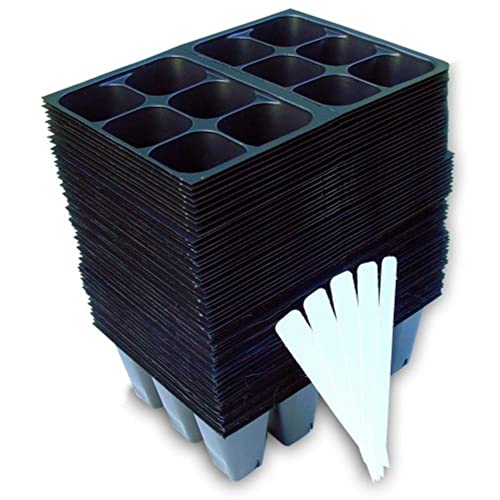
Drainage Holes: Each cell has drain holes at the bottom for proper water drainage.
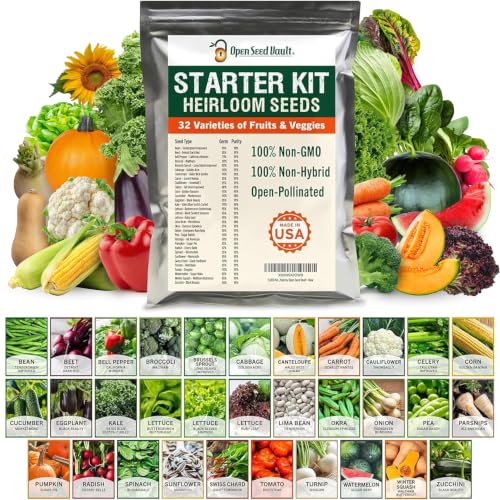
COMPLETE VEGETABLE GARDEN VARIETY PACK – Grow a thriving home garden with 32 popular vegetable seeds including Bean, Beet, Bell Pepper, Broccoli, Brussels Sprout, Cabbage, Cantaloupe, Carrot, Cauliflower, Celery, Corn, Cucumber, Eggplant, Kale, Lettuce (3 types), Lima Bean, Okra, Onion, Pea, Parsnip, Pumpkin, Radish, Spinach, Sunflower, Swiss Chard, Tomato, Turnip, Watermelon, Zucchini. A diverse mix perfect for fresh meals, backyard gardens, and sustainable growing.
Pest Management
Pests can pose a significant threat to your cantaloupe plants, affecting their health and fruit production. Common pests that you may encounter include aphids, cucumber beetles, and spider mites. These pests can cause damage by feeding on the plant leaves, transmitting diseases, or hindering fruit development.
To manage pests effectively, consider implementing natural remedies such as introducing beneficial insects like ladybugs or lacewings that feed on harmful pests. You can also use insecticidal soaps or neem oil as organic pest control methods. Regularly inspect your plants for any signs of pest infestation and take prompt action to prevent further damage.
Disease Prevention
Diseases can weaken cantaloupe plants and reduce fruit quality if left unchecked. Powdery mildew, bacterial blight, and fusarium wilt are common diseases that affect melon crops. These diseases can spread rapidly in warm and humid conditions, impacting plant growth and yield.
Preventive measures play a crucial role in managing diseases in cantaloupe plants. Ensure proper air circulation around the plants by providing adequate spacing between them. Avoid overhead watering to minimize moisture on the foliage, which can promote disease development. Practice crop rotation each season to reduce the risk of soil-borne diseases affecting new plantings.
By staying vigilant against pests and diseases while implementing proactive management strategies, you can overcome common challenges in growing cantaloupes and nurture healthy plants for a successful harvest.
Harvesting Your Cantaloupes
When and How to Harvest
It’s crucial to harvest cantaloupes at the right time for optimal flavor and sweetness. To determine readiness, check the color of the rind; it should change from green to beige or yellow. Another indicator is a pleasant aroma near the stem end. Once ripe, gently twist the fruit from the vine; if it comes off easily, it’s ready for picking.
Storing Homegrown Cantaloupes
After harvesting your cantaloupes, store them in a cool, dry place with good airflow. A pantry or cellar works well for short-term storage. For longer storage periods, you can refrigerate cut cantaloupe pieces in an airtight container for up to five days. Remember that whole cantaloupes stored at room temperature will last about a week before losing freshness.
Ensure you follow these simple guidelines when harvesting and storing your homegrown cantaloupes to enjoy their delicious taste and nutritional benefits.
Conclusion
Growing cantaloupe seeds can be a rewarding experience. By selecting the right varieties, preparing your soil properly, and providing the necessary care throughout the growing process, you can enjoy delicious homegrown cantaloupes bursting with flavor and nutrients. Remember to monitor for pests, diseases, and other challenges that may arise, and be proactive in addressing them using natural remedies. Harvest your cantaloupes at the peak of ripeness for the best taste and store them correctly to prolong their freshness. Following these steps will lead you to a bountiful harvest of sweet and juicy cantaloupes that you can savor all summer long. Happy growing!
Frequently Asked Questions
What are some recommended cantaloupe seed varieties for successful cultivation?
Some recommended cantaloupe seed varieties are Hale’s Best, Sugar Cube, Ambrosia, and Eden’s Gem.
How should I prepare to plant cantaloupe seeds?
Prepare to plant cantaloupe seeds by ensuring proper soil requirements, planting conditions, and spacing.
Can you provide a step-by-step guide for planting cantaloupe seeds?
Prepare the soil with adequate sunlight, plant during the appropriate time, sow seeds at the right depth and spacing, water properly, and monitor pests.
What care do young cantaloupe plants require?
Young cantaloupe plants need regular watering without overwatering and proper fertilization.
What are common challenges in growing cantaloupes?
Common challenges include pest management and disease prevention. Natural remedies and proactive strategies can help address these issues.
When is the best time to harvest cantaloupes?
Harvest cantaloupes at peak ripeness for optimal flavor and sweetness.
How should homegrown cantaloupes be stored for longer shelf life?
Store homegrown cantaloupes in cool, dry places. Refrigerate cut pieces for extended freshness.
