

Grapefruit trees thrive in Chula Vista, CA, with proper care and coastal growing techniques. To achieve healthy growth and abundant fruit, focus on soil quality, irrigation practices, and pest management strategies.
Grapefruit Tree Growing Conditions in Coastal Areas
Grapefruit trees thrive in Chula Vista’s coastal climate, where mild temperatures and ample sunlight create ideal growing conditions. Understanding the specific environmental factors that influence their growth can help both novice and experienced gardeners cultivate healthy, productive trees. This section explores the essential conditions necessary for successful grapefruit cultivation in coastal areas.
Grapefruit trees require specific conditions to flourish in coastal environments. They thrive in well-draining soil with a pH level between 6.0 and 7.0. Adequate sunlight is essential, as these trees need at least six hours of direct sunlight daily.
Grapefruit Tree Soil Amendment Strategies
When cultivating grapefruit trees in Chula Vista, understanding the right soil amendment strategies is crucial for optimal growth. The unique coastal climate requires specific adjustments to ensure the soil remains nutrient-rich and well-draining. This section delves into effective techniques for enhancing soil quality to support healthy grapefruit tree development.
Proper soil preparation is crucial for grapefruit tree health. Start by testing the soil to determine its pH and nutrient levels. Amend the soil based on test results to ensure optimal conditions.
| Soil Amendment | Purpose |
|---|---|
| Compost | Improves soil structure and nutrients |
| Gypsum | Enhances drainage and reduces compaction |
| Sulfur | Lowers pH for acidic soil |
Mix these amendments into the top 12 inches of soil before planting. This creates a nutrient-rich environment that supports root development.
Irrigation Techniques for Grapefruit Trees
Effective irrigation is crucial for the health and productivity of grapefruit trees in Chula Vista’s coastal climate. This section explores various irrigation techniques tailored to the region’s unique conditions, ensuring that your trees receive the right amount of moisture to thrive and produce quality fruit. Understanding these methods will help you maintain optimal growth and prevent common issues associated with improper watering.
Irrigation plays a vital role in grapefruit tree growth. These trees prefer deep watering rather than frequent shallow watering.
Recommended Products
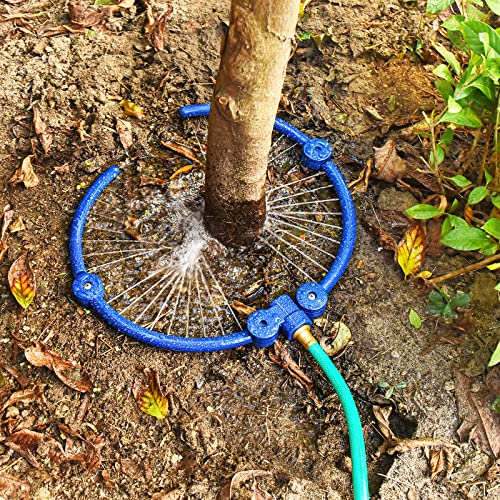
【Specially Designed for Trees and Shrubs】 The Watering Ring is a multi-purpose irrigation ring that attaches to a garden hose to efficiently water young trees shrubs vegetables or flower beds using drip or trickle irrigation.It directs water to the root perimeter of the plant to give them a good start during the first two growing seasons or through periods of drought.

NO MORE HARD INSTALLATION - SET UP IN MINUTES. Tired of struggling with stiff barbed fittings? This drip irrigation system features quick-connect fittings that let you push, lock, and secure tubing effortlessly. No tools, no leaks, just a smooth setup experience. Enjoy a frustration-free installation and get your garden watering system running in minutes.

PRESSURE-COMPENSATING EMITTER: Maintains a constant 2 GPH flow rate even when the water pressure changes
Seasonal Watering Strategies for Grapefruit Trees
In Chula Vista, the coastal climate presents unique challenges and opportunities for grapefruit tree cultivation. Understanding seasonal watering strategies is crucial for optimizing growth and fruit production. This section explores effective techniques tailored to the region’s specific weather patterns, ensuring your grapefruit trees thrive throughout the year.
Establish a watering schedule based on the season and rainfall.
| Season | Frequency | Amount |
|---|---|---|
| Spring | Weekly | 10-15 gallons |
| Summer | Twice weekly | 15-20 gallons |
| Fall | Every 10 days | 10-15 gallons |
| Winter | Monthly | 5-10 gallons |
Monitor soil moisture to adjust the schedule as needed. Overwatering can lead to root rot, while underwatering can stress the tree.
Pest Control Techniques for Grapefruit Trees
Managing pests is crucial for the health of grapefruit trees in Chula Vista’s coastal climate. Effective pest control techniques can help protect these trees from common threats while promoting robust growth and fruit production. Understanding the specific challenges posed by the local environment will enhance your approach to keeping your grapefruit trees thriving.
Pests can significantly impact grapefruit tree health. Regular monitoring is essential to catch infestations early.
Recommended Products

PLANT DISEASE CONTROL: Natria Neem Oil acts as an insecticide and fungicide in one convenient spray; Ready-to-use trigger sprayer requires no mixing


NEEM OIL SPRAY FOR PLANTS – A fast-acting, multipurpose neem spray designed for indoor plants, houseplants, and garden use. This ready-to-use plant spray combines cold-pressed neem oil with a balanced botanical blend to solve common plant care issues while supporting healthy, resilient leaves.
Grapefruit Tree Pest Identification and Management
Grapefruit trees in Chula Vista face various pest challenges that can impact their health and fruit production. Understanding how to identify these pests and implement effective management strategies is crucial for maintaining robust trees. This section will explore common pests affecting grapefruit trees and provide practical solutions for keeping them at bay.
Identify common pests that affect grapefruit trees and apply appropriate control measures.
| Pest | Symptoms | Control Method |
|---|---|---|
| Aphids | Curling leaves | Insecticidal soap or neem oil |
| Scale | Sticky residue | Horticultural oil or manual removal |
| Spider mites | Webbing on leaves | Increase humidity and use miticides |
Regularly inspect leaves and branches. Early intervention can prevent severe damage.
Nutrient Strategies for Grapefruit Trees
Nurturing grapefruit trees in Chula Vista requires a keen understanding of their nutrient needs to thrive in the coastal climate. This section explores effective strategies for providing essential nutrients, ensuring robust growth and fruit production while addressing the unique challenges posed by the local environment. Proper nutrient management is key to cultivating healthy, fruitful trees.
Fertilization is vital for grapefruit trees to ensure they receive necessary nutrients.
Recommended Products

CITRUS PLANT FOOD: This avacado, mango and citrus fruit tree fertilizer feeds plants for up to 3 months and nourishes above and below the soil
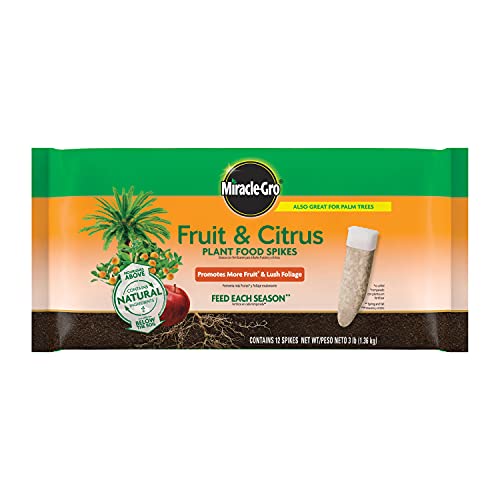
FORMULATED FOR CITRUS AND FRUIT TREES: Use these citrus fertilizer spikes on apple, orange, lemon, lime, and avocado trees; this formula is also great for feeding palm trees

Package contains 4 Pounds organic fruit and citrus fertilizer grains and is produced to avoid wasteful runoff, mess, hazards and smells
Fertilizers for Healthy Grapefruit Growth
Fertilizing grapefruit trees is crucial for promoting healthy growth and maximizing fruit yield, especially in the unique coastal climate of Chula Vista, CA. Understanding the right types of fertilizers and their application methods can significantly enhance the vitality of your trees, ensuring they thrive in this environment. This section explores effective fertilization strategies tailored for grapefruit cultivation.
Choose fertilizers that promote healthy growth and fruit production.
| Fertilizer Type | Nutrient Ratio | Application Frequency |
|---|---|---|
| Citrus-specific | 8-8-8 | Every 6-8 weeks during growing season |
| Organic compost | Varies | Twice a year in spring and fall |
| Epsom salt | Magnesium boost | Monthly during growing season |
Follow the manufacturer’s instructions for application rates. Over-fertilization can harm the tree.
Grapefruit Tree Pruning Techniques for Health
Pruning grapefruit trees is essential for maintaining their health and maximizing fruit production, especially in the coastal climate of Chula Vista, CA. Proper techniques not only promote robust growth but also improve air circulation and sunlight exposure. Understanding the best practices for pruning can significantly enhance the vitality of your grapefruit trees.
Pruning is essential for maintaining the shape and health of grapefruit trees.
Grapefruit Tree Pruning for Coastal Growth
Pruning grapefruit trees is essential for promoting healthy growth and maximizing fruit production, especially in coastal areas like Chula Vista, CA. Proper techniques not only enhance air circulation and sunlight penetration but also help manage the tree’s size and shape, ensuring it thrives in the unique coastal climate. Understanding the best practices for pruning can lead to a more fruitful and resilient tree.
Proper pruning techniques enhance air circulation and light penetration.
| Technique | Purpose | Timing |
|---|---|---|
| Remove dead branches | Prevent disease | Late winter |
| Thin out crowded areas | Improve airflow | Early spring |
| Shape the tree | Maintain structure | After harvest |
Avoid heavy pruning, which can stress the tree. Focus on light maintenance throughout the year.
Environmental Conditions for Grapefruit Growth
Understanding the environmental conditions essential for grapefruit growth is crucial for successful cultivation in Chula Vista, CA. This region’s unique coastal climate, soil type, and seasonal variations play a significant role in determining the health and yield of grapefruit trees. By examining these factors, growers can optimize their practices for a thriving harvest.
Environmental conditions can affect grapefruit tree growth.
Coastal Climate Considerations for Grapefruit Trees
Chula Vista’s coastal climate presents unique challenges and advantages for growing grapefruit trees. Understanding the specific environmental factors, such as temperature fluctuations, humidity levels, and soil conditions, is essential for successful cultivation. This section explores key considerations to help gardeners optimize their grapefruit tree growth in this coastal region.
Keep an eye on temperature, humidity, and wind exposure.
| Factor | Ideal Range | Impact |
|---|---|---|
| Temperature | 70-85°F | Optimal growth |
| Humidity | 50-70% | Reduces stress |
| Wind exposure | Minimal | Prevents damage |
Protect trees from extreme weather conditions. Use windbreaks or shade cloth as necessary.
Essential Care for Chula Vista Grapefruit Trees
Grapefruit trees thrive in the coastal climate of Chula Vista, offering a unique opportunity for local gardeners. Understanding the essential care requirements is crucial for successful growth and fruit production. This section outlines key practices to ensure your grapefruit trees flourish in this specific environment.
Grapefruit trees require consistent care and attention. Regular monitoring of soil, water, and pests is essential for healthy growth.
Planting in the right location with ample sunlight and protection from harsh winds will promote optimal fruit production.
