

Growing persimmon trees in Louisiana requires careful attention to humidity and soil conditions. These trees thrive in well-drained soil and need specific moisture levels to produce fruit effectively. Understanding these factors will help ensure a successful harvest.
Ideal Humidity Levels for Persimmon Growth
Understanding the ideal humidity levels is crucial for successfully growing persimmon trees in Louisiana. This region’s unique climate can significantly impact the health and productivity of these trees. By focusing on the right humidity conditions, growers can enhance fruit quality and overall tree vigor.
Humidity plays a crucial role in the growth of persimmon trees. Louisiana’s high humidity can benefit these trees, but excessive moisture can lead to diseases. Ideal humidity levels range between 40% and 60%.
Monitoring humidity is essential for:
Preventing fungal diseases
Encouraging fruit set
Promoting healthy leaf development
Humidity Impact on Persimmon Tree Growth
Understanding the impact of humidity on persimmon tree growth is crucial for successful cultivation in Louisiana’s unique climate. High humidity levels can influence factors such as pollination and fruit development, making it essential for growers to adapt their care practices accordingly. This section explores how humidity affects these trees and offers insights for optimizing their growth.
High humidity can lead to various issues, including:
Fungal infections such as powdery mildew
Poor fruit quality due to excess moisture
Stunted growth from root rot
To mitigate these risks, consider planting your trees in areas with good air circulation. This will help reduce humidity levels around the foliage.
Soil Quality for Healthy Persimmon Growth
Soil quality plays a crucial role in the successful cultivation of persimmon trees in Louisiana’s unique climate. Understanding the specific soil requirements, including pH levels and drainage characteristics, can significantly enhance growth and fruit production. This section delves into the essential soil conditions necessary for thriving persimmon trees in the region.
Soil quality is vital for persimmon trees. They prefer well-drained, sandy loam soils with a pH between 6.0 and 7.5. Poorly drained soils can lead to root rot and other issues.
Key soil management practices include:
Testing soil pH regularly
Adding organic matter to improve drainage
Ensuring proper irrigation practices
Organic Soil Enhancements for Persimmons
To cultivate healthy persimmon trees in Louisiana, enhancing the soil organically is crucial. This section explores effective organic soil amendments that can improve soil structure, nutrient availability, and overall tree health, ensuring your persimmons thrive in the region’s unique humidity and soil conditions. Implementing these strategies will help you achieve a bountiful harvest.
Incorporating organic materials can significantly improve soil conditions. Consider using:
| Amendment Type | Benefits |
|---|---|
| Compost | Enhances nutrient content |
| Peat moss | Improves moisture retention |
| Perlite | Increases drainage |
These amendments can help create an ideal environment for persimmon trees to thrive.
Irrigation Strategies for Louisiana Persimmons
Effective irrigation is crucial for cultivating healthy persimmon trees in Louisiana’s unique climate. Given the state’s high humidity and varying soil types, understanding the best watering practices can significantly impact tree growth and fruit production. This section explores tailored irrigation strategies to help ensure your persimmons thrive in Louisiana’s environment.
Proper irrigation is vital in Louisiana’s humid climate. Overwatering can lead to root problems, while underwatering can stress the tree.
Effective irrigation techniques include:
Drip irrigation to deliver water directly to the roots
Soaker hoses for consistent moisture levels
Mulching to retain soil moisture and reduce evaporation
Recommended Products
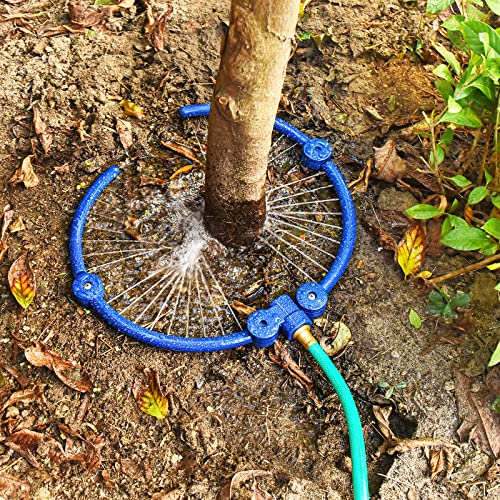
【Specially Designed for Trees and Shrubs】 The Watering Ring is a multi-purpose irrigation ring that attaches to a garden hose to efficiently water young trees shrubs vegetables or flower beds using drip or trickle irrigation.It directs water to the root perimeter of the plant to give them a good start during the first two growing seasons or through periods of drought.
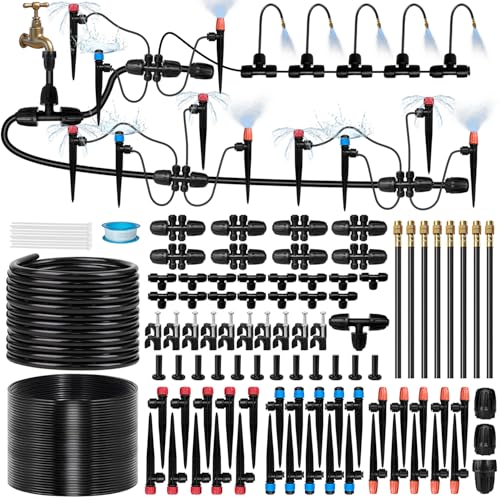
【Upgraded Tube Design & Water Saving】 Our garden watering system is upgraded to 1/2” diameter to support high water pressure. The 1/2” tee connector allows seamless splitting into 2 independent zones for customized watering schedules. By delivering moisture directly to root zones, this drip Irrigation system significantly reduces evaporation and runoff—saving more water compared to conventional sprinklers while eliminating the need for manual watering.

SAVE TIME AND EFFORT: This plant watering kit has everything you need to get started with drip irrigation and precisely water up to ten individual plants. Use the kit to build, expand, or repair a drip irrigation system
Watering Issues in Persimmon Cultivation
Watering is a critical factor in successfully cultivating persimmon trees in Louisiana’s humid climate. Understanding the specific watering needs, including frequency and volume, can help prevent issues such as root rot or drought stress. This section explores common watering challenges and offers practical solutions tailored to the unique conditions of Louisiana.
Recognizing the signs of improper watering can prevent damage. Look for:
Overwatering: Yellowing leaves, root rot, and wilting
Underwatering: Brown leaf edges, drooping branches, and premature leaf drop
Adjust your watering schedule based on seasonal changes and rainfall.
Fertilization Techniques for Persimmon Trees
Fertilizing persimmon trees in Louisiana requires a tailored approach to accommodate the region’s unique climate and soil conditions. Understanding the specific nutritional needs of these trees is essential for promoting healthy growth and fruit production. This section will explore effective fertilization techniques that can enhance the vitality of persimmon trees in the humid environment of Louisiana.
Fertilizing persimmon trees correctly is essential for robust growth and fruit production. A balanced fertilizer with equal parts nitrogen, phosphorus, and potassium is recommended.
Fertilization tips include:
Applying fertilizer in early spring
Following soil test recommendations
Avoiding excessive nitrogen, which can promote leaf growth over fruiting
Recommended Products
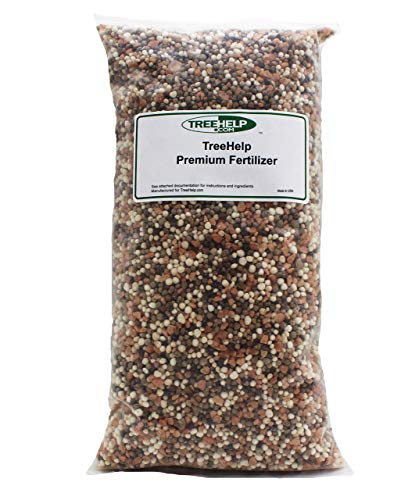
Not Available for Sell in WA, USA

Let our professionally formulated plant food help your fruit tree grow healthy, strong AND abundantly producing
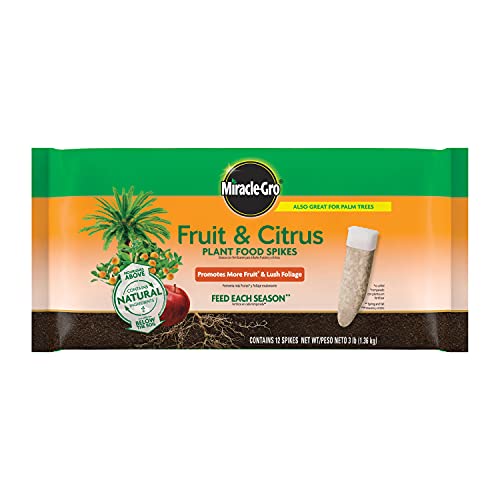
FORMULATED FOR CITRUS AND FRUIT TREES: Use these citrus fertilizer spikes on apple, orange, lemon, lime, and avocado trees; this formula is also great for feeding palm trees
Fertilization Schedule for Persimmon Trees
Establishing a proper fertilization schedule is crucial for the healthy growth of persimmon trees in Louisiana’s unique climate. The right nutrients can enhance fruit quality and tree vitality, ensuring that these trees thrive in the region’s humidity and soil conditions. Understanding when and how to fertilize will help maximize the potential of your persimmon trees.
The timing of fertilization can impact tree health. Consider the following schedule:
| Season | Fertilization Type | Frequency |
|---|---|---|
| Spring | Balanced fertilizer | Once |
| Summer | Potassium-rich fertilizer | Every 6 weeks |
| Fall | Organic compost | Once |
This schedule will support healthy growth throughout the year.
Persimmon Tree Pest Control Strategies
Managing pests is crucial for the health and productivity of persimmon trees in Louisiana’s humid climate. Effective pest control strategies can help protect your trees from common threats, ensuring they thrive and produce abundant fruit. Understanding these methods will empower you to maintain a healthy orchard and maximize your harvest.
Pests can pose a significant threat to persimmon trees. Common pests include aphids, spider mites, and fruit flies. Regular monitoring and management are essential.
Effective pest management strategies include:
Regular inspections for early detection
Insecticidal soaps for soft-bodied pests
Neem oil as a natural pesticide
Recommended Products


ADVANCED FORMULA: Emulsifiers built into the formula so you just add water. 100% pure oils require an emulsifier to allow oil and water to mix. Nature's IQ has this already built in so you just add water.
Identifying Pest Damage on Persimmons
Identifying pest damage on persimmons is crucial for maintaining healthy trees in Louisiana’s humid climate. Various pests can affect both the leaves and fruit, leading to reduced yields and compromised quality. Understanding the signs of infestation will help you take timely action to protect your persimmon trees and ensure a successful harvest.
Identifying signs of pest damage early can prevent larger issues. Watch for:
Aphids: Curling leaves and sticky residue
Spider mites: Fine webbing and stippling on leaves
Fruit flies: Small holes in fruit and premature drop
Implementing pest management practices promptly can protect your trees.
Persimmon Cultivation Strategies for Louisiana
Cultivating persimmon trees in Louisiana requires an understanding of the region’s unique climate and soil conditions. The high humidity and varying soil types can significantly impact growth and fruit production. This section outlines effective strategies tailored to Louisiana’s environment, ensuring successful persimmon cultivation.
Growing persimmon trees in Louisiana requires attention to humidity, soil conditions, irrigation, fertilization, and pest management. By following these guidelines, you can cultivate healthy trees that produce abundant fruit.
Monitor conditions regularly and adjust your care practices as needed for the best results.
