

Growing orange trees in pots in Indiana can be challenging due to the region’s climate. However, with the right techniques and care, you can successfully cultivate these trees indoors or on patios.
Indiana Climate Challenges for Orange Trees
Indiana experiences a humid continental climate, characterized by cold winters and warm summers. This climate can pose challenges for growing orange trees, which thrive in subtropical to tropical conditions. To ensure successful growth, it is crucial to understand seasonal temperature variations and humidity levels.
During winter months, temperatures can drop significantly. This necessitates bringing potted orange trees indoors or providing adequate protection. Summer months offer the right warmth, but humidity can affect tree health.
Recommended Products
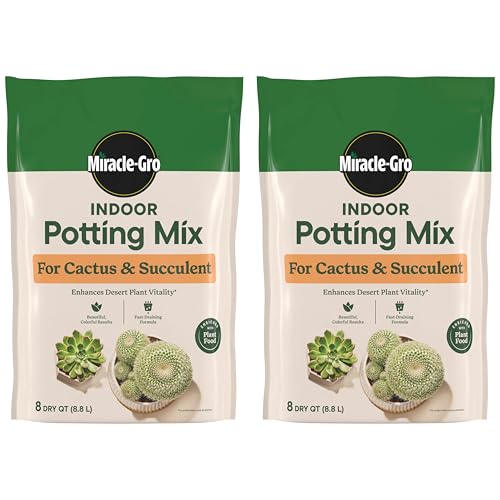
Miracle-Gro Indoor Potting Mix for Cactus and Succulent is enriched with Miracle-Gro Plant Food and enhances desert plant vitality (vs unfed plants when used as directed)

Made For Potted Citrus Trees: Our citrus potting soil mix is made for potted lemon, lime, orange and other citrus trees that need a lighter growing medium for repotting. We double-screen all of our raw ingredients to support a cleaner, more consistent texture for pouring and repotting potted citrus trees.

Enhanced Growth Benefits: Supports optimal plant health with superior aeration, effective drainage, excellent nutrient retention, and a balanced pH – everything citrus plants need to thrive.
Optimal Soil and Pot Selection for Orange Trees
Choosing the right soil and pot is crucial for successfully growing orange trees in pots, especially in Indiana’s unique climate. The right combination ensures proper drainage, aeration, and nutrient retention, which are essential for healthy growth. Understanding these factors will help you create an ideal environment for your orange trees to thrive.
Choosing the right pot and soil is essential for the health of your orange trees. A well-draining potting mix is critical to prevent root rot. Look for soil that retains moisture but allows excess water to escape.
Consider the following when potting:
Pot Size: Select a pot that is at least 12-16 inches in diameter for young trees. As they grow, move to larger pots.
Drainage: Ensure the pot has drainage holes to prevent standing water.
Soil Type: Use a mix designed for citrus trees or a blend of potting soil, sand, and perlite.
Optimal Watering and Fertilization for Orange Trees
Successfully growing orange trees in pots in Indiana requires careful attention to watering and fertilization. The unique climate and soil conditions of the Midwest can pose challenges, making it essential to understand the specific needs of these citrus trees to promote healthy growth and fruit production. This section delves into the best practices for maintaining optimal moisture levels and nutrient balance.
Proper watering and fertilization are vital for the growth of orange trees. Overwatering can lead to root diseases, while underwatering can cause stress.
Follow these guidelines:
Watering Frequency: Water when the top inch of soil feels dry. Adjust frequency based on season and humidity.
Fertilization: Use a balanced, slow-release fertilizer formulated for citrus trees every 6-8 weeks during the growing season.
| Action | Frequency |
|---|---|
| Watering | When top inch is dry |
| Fertilization | Every 6-8 weeks |
Pest Control Strategies for Potted Orange Trees
Maintaining healthy potted orange trees in Indiana requires effective pest control strategies tailored to the unique challenges of the Midwest climate. Various pests can threaten these citrus plants, making it essential for growers to adopt proactive measures. This section explores practical methods to safeguard your orange trees from common pests while ensuring optimal growth and fruit production.
Pests can be a significant issue for indoor and potted orange trees. Common pests include aphids, spider mites, and scale insects. Regular monitoring and management are necessary to keep your trees healthy.
Implement these strategies:
Inspect Regularly: Check leaves and stems for signs of pests.
Natural Remedies: Use insecticidal soap or neem oil for treatment.
Isolation: Quarantine new plants to prevent pest introduction.
Pruning Techniques for Healthy Orange Trees
Pruning is essential for maintaining the health and productivity of orange trees grown in pots, especially in Indiana’s unique climate. Proper techniques not only promote better air circulation and sunlight exposure but also encourage robust growth and fruit production. Understanding the right methods can significantly enhance the vitality of your potted orange trees.
Regular pruning helps maintain the shape and health of orange trees. It encourages better air circulation and sunlight penetration, which are crucial for fruit production.
Consider these pruning tips:
Timing: Prune during late winter or early spring before new growth begins.
Technique: Remove dead or crossing branches and thin out crowded areas.
Tools: Use clean, sharp pruning shears to avoid damaging the tree.
Winter Protection Strategies for Potted Orange Trees
In Indiana’s challenging winter climate, protecting potted orange trees is crucial for their survival and health. This section explores effective strategies to shield these vibrant plants from frost and cold temperatures, ensuring they thrive even during the harshest months. Discover practical tips that will help you maintain your orange trees in optimal condition throughout the winter season.
Indiana winters can be harsh, making winter care essential for potted orange trees. If left outdoors, trees can suffer from frost damage.
Follow these winter care practices:
Indoor Placement: Move pots indoors to a bright location with temperatures between 60-70°F.
Humidity Control: Use a humidifier or pebble tray to maintain humidity levels.
Minimal Watering: Reduce watering frequency during dormancy, allowing the soil to dry out slightly.
| Winter Care Action | Description |
|---|---|
| Indoor Placement | Move to bright, warm location |
| Humidity Control | Use humidifier or pebble tray |
| Minimal Watering | Water less frequently |
Optimal Harvesting Techniques for Potted Oranges
Successfully harvesting potted oranges in Indiana requires a blend of timing and technique tailored to the unique challenges of the Midwest climate. Understanding the optimal conditions for fruit ripening and the best practices for picking can significantly enhance both the yield and quality of your oranges. This section delves into effective strategies to ensure a fruitful harvest.
Once your orange trees begin to bear fruit, proper harvesting techniques ensure the best flavor and quality. Timing is critical for optimal sweetness and juiciness.
Keep these points in mind:
Color Check: Harvest when oranges are fully colored and slightly soft to the touch.
Cutting Technique: Use pruning shears to cut the fruit, avoiding damage to the tree.
Storage: Store harvested oranges in a cool, dry place to prolong freshness.
Regular care and attention will help you enjoy the fruits of your labor.
