

Many fruit trees thrive in El Paso, TX, despite its high desert climate. Selecting the right varieties can lead to a fruitful harvest, offering both beauty and bounty to your landscape.
Fruit Trees Suited for El Paso’s Climate
El Paso’s unique high desert climate presents both challenges and opportunities for growing fruit trees. Understanding which varieties thrive in this environment can help gardeners maximize their yields and ensure healthy growth. This section explores the best fruit trees suited for El Paso’s conditions, taking into account factors like temperature, soil type, and water availability.
El Paso’s unique climate features hot summers and mild winters, making it essential to choose fruit trees that can withstand these conditions. Trees that are drought-resistant and can tolerate high temperatures will perform best. Here are some recommended varieties:
| Fruit Tree | Growth Habit | Chill Hours | Harvest Season |
|---|---|---|---|
| Peach | Upright | 300-1,000 | June to August |
| Pomegranate | Shrub | 300-500 | September |
| Fig | Spreading | 100-300 | July to September |
| Apple | Upright | 500-1,000 | September to October |
Chill Hour Requirements for El Paso Trees
Understanding the chill hour requirements for fruit trees is crucial for successful cultivation in El Paso’s unique climate. The high desert environment presents specific challenges, making it essential to choose varieties that can thrive with the limited chilling hours available. This section explores the necessary chill hour ranges for different fruit trees suitable for the region.
Chill hours refer to the number of hours a fruit tree needs to be exposed to temperatures between 32°F and 45°F. This is crucial in determining which trees will thrive in El Paso.
Low Chill Trees: Suitable for warmer climates, these trees require fewer chill hours. Examples include:
Fig
Pomegranate
Moderate Chill Trees: These trees can adapt to El Paso’s conditions with some care. Examples include:
Peach
Plum
Soil Quality and Preparation Techniques
Understanding the soil quality and preparation techniques is crucial for successful fruit tree cultivation in El Paso’s unique high desert environment. The region’s arid conditions present specific challenges, making it essential to assess soil composition and employ effective strategies to enhance fertility and moisture retention. This section explores practical approaches to ensure optimal growth for fruit trees in this area.
Soil quality significantly impacts fruit tree health and productivity. Proper soil preparation ensures that trees receive adequate nutrients and drainage.
Test Soil pH: Aim for a pH between 6.0 and 7.0 for optimal growth.
Amend Soil: Incorporate organic matter such as compost to improve soil structure.
Ensure Drainage: Avoid waterlogged conditions by planting in raised beds if necessary.
| Soil Amendment | Benefits |
|---|---|
| Compost | Adds nutrients |
| Perlite | Improves drainage |
| Mulch | Retains moisture |
Watering Strategies for High Desert Fruit Trees
Growing fruit trees in El Paso’s high desert climate presents unique challenges, particularly when it comes to watering. Understanding effective watering strategies is crucial for ensuring that these trees thrive in the arid conditions. This section explores practical approaches to irrigation that can help maximize fruit production while conserving water.
Watering is critical for fruit trees in high desert areas. Understanding the right techniques can prevent overwatering or underwatering.
Drip Irrigation: This method delivers water directly to the root zone, minimizing evaporation.
Deep Watering: Water deeply and less frequently to encourage deep root growth.
Mulching: Apply mulch to retain soil moisture and regulate temperature.
Recommended Products

Complete 240FT Drip Irrigation Kit - The garden irrigation system includes 40FT of 1/2" main tubing, 200FT of 1/4" distribution tubing, and 143 essential components. You can customize the setup to fit your garden layout, covering up to 250 sq. ft. or split into two areas of 120 sq. ft. each

Convenient and portable storage kit contains 102 professional grade universal Drip irrigation parts
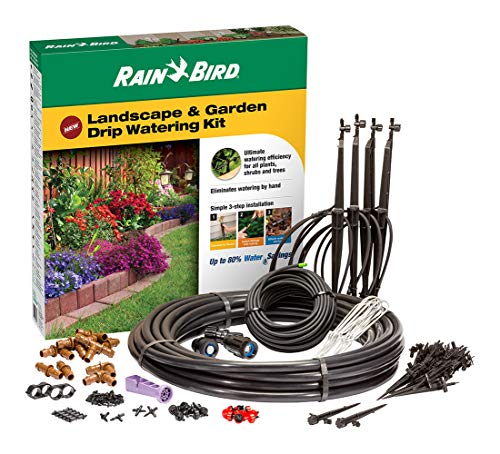
Comprehensive 108-piece kit for flower beds, gardens and landscaped areas; eliminates hand watering, saves time and money
Pest Control Strategies for Fruit Trees
Managing pests is crucial for the health and productivity of fruit trees in El Paso’s unique high desert environment. With the right strategies, gardeners can effectively protect their trees from common pests while promoting a thriving ecosystem. This section explores various pest control methods tailored to the specific challenges faced by fruit trees in this region.
Maintaining healthy fruit trees involves monitoring for pests and diseases. Implementing preventive measures can save your harvest.
Regular Inspections: Check leaves and fruit for signs of pests like aphids or spider mites.
Organic Treatments: Use neem oil or insecticidal soap for pest control.
Disease Resistance: Choose varieties known for their resistance to common diseases.
| Common Pest | Treatment |
|---|---|
| Aphids | Neem oil |
| Spider mites | Insecticidal soap |
| Canker | Prune affected areas |
Harvesting Techniques and Storage Tips for El Paso Fruit
In El Paso’s unique high desert climate, understanding the right harvesting techniques and storage methods is essential for maximizing fruit quality and longevity. This section delves into effective practices tailored to the region’s conditions, helping local growers optimize their yields and ensure their fruits remain fresh and flavorful after harvest.
Knowing when and how to harvest fruit is essential for maximizing flavor and shelf life. Proper storage techniques can also extend the freshness of your produce.
Timing: Harvest fruit when fully ripe for the best taste.
Handling: Handle fruit gently to avoid bruising.
Storage: Store in a cool, dark place to prolong freshness.
| Fruit Type | Harvest Time | Storage Method |
|---|---|---|
| Peach | Firm but slightly soft | Refrigerate |
| Pomegranate | Bright color | Cool, dry place |
| Fig | Slightly soft | Refrigerate |
Fruit Tree Selection Guidelines for El Paso
Selecting the right fruit trees for El Paso’s unique high desert climate requires careful consideration of several factors. Understanding the local conditions, such as temperature extremes and soil types, is essential for successful cultivation. This section outlines key guidelines to help you choose the most suitable fruit trees for your garden in this challenging environment.
Selecting the right fruit trees for El Paso requires careful consideration of climate, soil, and maintenance practices. Proper planning and care can lead to a successful and fruitful garden.
