

Banana trees can thrive in Orlando, FL, due to the region’s warm climate and ample rainfall. With proper care and the right variety selection, growing bananas can be a rewarding endeavor for local gardeners.
Best Banana Varieties for Orlando Climate
In Orlando’s warm and humid climate, selecting the right banana varieties can significantly impact your gardening success. Certain types thrive better than others, offering both resilience and fruitful yields. This section explores the best banana varieties suited for Central Florida, ensuring your garden flourishes with these tropical plants.
Choosing the correct banana variety is essential for successful growth in Orlando’s climate. The most suitable types include:
Dwarf Cavendish: Ideal for small spaces, this variety produces sweet fruit and grows up to 4-5 feet tall.
Gros Michel: Known for its rich flavor, it can reach heights of 10-12 feet and is more resistant to disease.
Red Dacca: This variety has a unique flavor and striking red skin, growing to about 6-8 feet.
Consider your available space and desired fruit characteristics when making your selection.
Recommended Products
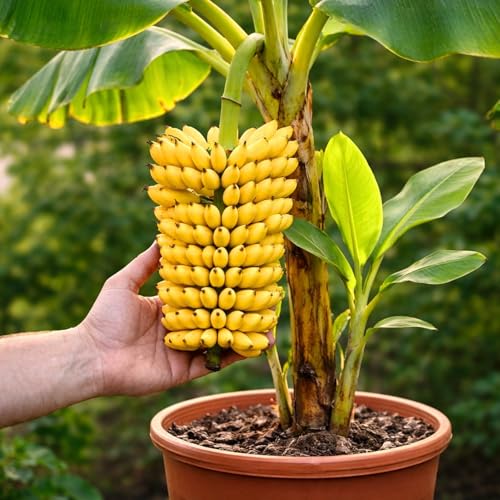
🍌 Premium Banana Seeds: High-quality banana seeds selected for planting and growing healthy tropical banana plants.

Growing banana plants at home promotes sustainability and self-sufficiency. Customers can reduce their reliance on store-bought bananas, which often come from far distances, and enjoy the satisfaction of harvesting their own organic fruit.

What You Will Receive: One healthy Kokopo Banana tree plant, 5-8 inches tall, shipped ready for planting
Orlando Climate for Successful Banana Cultivation
Orlando’s unique climate plays a crucial role in the successful cultivation of banana trees. With its warm temperatures, ample rainfall, and humidity, the region offers a favorable environment for these tropical plants. Understanding the local weather patterns is essential for anyone looking to grow bananas in Central Florida.
Orlando’s climate is generally favorable for banana cultivation. Key factors include:
Temperature: Banana trees prefer temperatures between 75°F and 95°F. They can tolerate brief cold snaps but may suffer damage below 32°F.
Humidity: High humidity levels support growth. Regular watering helps maintain moisture, especially during dry spells.
Sunlight: Full sun exposure is crucial. Ensure your banana trees receive at least six hours of direct sunlight daily.
Understanding these climate factors will help you create an optimal environment for your banana trees.
Soil Preparation for Banana Trees in Florida
Growing banana trees in Orlando, FL, requires careful attention to soil preparation to ensure optimal growth and fruit production. The unique climate and soil conditions of Central Florida present both challenges and opportunities for cultivating these tropical plants. Understanding how to properly prepare the soil is essential for successful banana cultivation in this region.
Soil preparation is a critical step for healthy banana trees. Follow these guidelines:
Soil Type: Well-draining, loamy soil is ideal. Avoid heavy clay that retains water.
pH Level: Aim for a pH between 5.5 and 7.0. Conduct a soil test to determine acidity.
Organic Matter: Incorporate compost or well-rotted manure to enhance soil fertility.
Use a soil amendment table to track your soil’s nutrient levels and make adjustments as needed.
| Nutrient | Ideal Level | Amendment Options |
|---|---|---|
| Nitrogen | Moderate | Blood meal, fish emulsion |
| Phosphorus | Low to Moderate | Bone meal, rock phosphate |
| Potassium | High | Kelp meal, greensand |
Irrigation and Nutrition for Banana Trees
Irrigation and nutrition are crucial factors for successfully cultivating banana trees in Orlando’s unique climate. Understanding the specific water and nutrient needs of these tropical plants will help ensure healthy growth and fruitful yields. This section delves into effective irrigation practices and essential nutritional guidelines tailored for Central Florida’s conditions.
Proper watering and fertilizing practices are vital for banana tree health. Implement these steps:
Watering Frequency: Water deeply once a week, increasing frequency during dry spells. Ensure the soil remains moist but not waterlogged.
Fertilizer Schedule: Use a balanced fertilizer every 6-8 weeks during the growing season. A fertilizer high in potassium supports fruit development.
Monitor your plants for signs of nutrient deficiencies, such as yellowing leaves, and adjust your fertilization accordingly.
Banana Pest and Disease Prevention Strategies
In Orlando, Florida, banana trees can thrive, but they are also susceptible to various pests and diseases. Understanding effective prevention strategies is crucial for maintaining healthy plants and ensuring a fruitful harvest. This section explores essential methods to protect your banana trees from common threats in Central Florida’s unique climate.
Banana trees can be susceptible to various pests and diseases. Regular monitoring and preventive measures are essential. Common issues include:
Spider Mites: Look for webbing and stippling on leaves. Use insecticidal soap to control infestations.
Fusarium Wilt: This soil-borne fungus can cause wilting and yellowing. Rotate crops and avoid planting in infected soil.
Banana Weevil: Check for holes in the pseudostems. Use traps and remove infected plants to prevent spread.
Stay vigilant to maintain healthy banana trees and maximize fruit yield.
Banana Harvest Timing and Techniques
Understanding the timing and techniques for harvesting bananas is crucial for successful cultivation in Orlando, FL. This section will delve into the optimal harvest periods and best practices to ensure that your banana trees yield the sweetest and most abundant fruit. By following these guidelines, you can maximize your banana production in Central Florida’s unique climate.
Knowing when and how to harvest bananas is crucial for optimal flavor. Follow these guidelines:
Timing: Bananas typically take 9-12 months to mature after planting. Look for fruit that has turned from green to a light yellow.
Harvesting Technique: Use a sharp knife to cut the entire bunch from the plant. Handle with care to avoid bruising.
Enjoy the fruits of your labor by allowing bananas to ripen fully before consuming.
Best Practices for Growing Bananas in Orlando
Growing banana trees in Orlando can be a rewarding endeavor, but it requires specific knowledge of the local climate and soil conditions. Understanding the best practices tailored to Central Florida will help ensure healthy plants and fruitful yields. This section outlines essential tips to optimize your banana-growing experience in this unique environment.
Growing banana trees in Orlando is feasible with the right variety, soil preparation, and care. Regular monitoring for pests and diseases will ensure a healthy crop. Proper watering and fertilization will enhance growth and fruit production.
