

Growing jujube trees in Illinois requires specific techniques to adapt to the Midwestern climate. These trees thrive with proper care, including soil preparation, watering, and pest management. Implementing these strategies will lead to a fruitful harvest.
Essential Supplies for Jujube Cultivation
To successfully grow jujube trees in Illinois, having the right supplies is crucial. This section outlines the essential tools and materials needed for cultivation, ensuring that both novice and experienced gardeners are well-prepared for the unique challenges of Midwestern gardening. Understanding these requirements will set the foundation for a thriving jujube tree harvest.
Before starting your jujube tree cultivation, gather essential supplies. Proper tools and materials will ensure successful planting and maintenance. Here’s a checklist to help you prepare.
| Item | Purpose |
|---|---|
| Quality Jujube Saplings | Start your orchard with healthy plants. |
| Soil Testing Kit | Assess soil pH and nutrient levels. |
| Mulch | Retain moisture and suppress weeds. |
| Drip Irrigation System | Provide consistent watering. |
| Organic Fertilizer | Enhance soil nutrients. |
Recommended Products
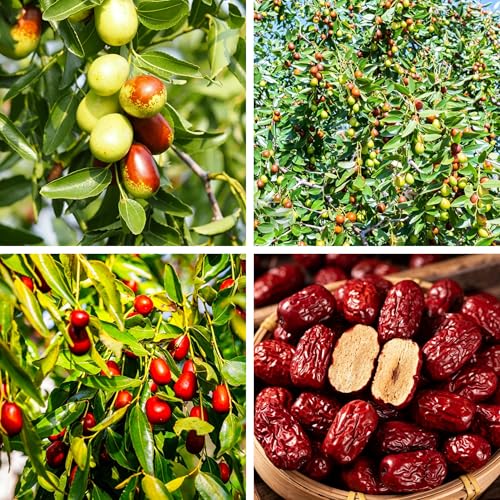
Easy to Sow: Jujube seeds adapt to most climates, low-maintenance for home gardens

Jujube Tree Seeds for Planting: Grow Ziziphus jujuba from fruit tree seeds for glossy foliage, small yellow green flowers and distinctive edible fruit. These exotic fruit tree seeds are ideal for home orchards, edible landscapes, containers and long term bonsai projects

Site Selection and Soil Preparation for Jujube Trees
Selecting the right site and preparing the soil are crucial steps for successfully growing jujube trees in Illinois. Understanding the specific environmental needs of these trees will help ensure robust growth and fruitful harvests. This section will guide you through the essential factors to consider for optimal planting conditions.
Proper preparation is crucial for the successful growth of jujube trees. Start by selecting an appropriate location with full sun exposure. Ensure the soil is well-drained and rich in organic matter.
Test Soil pH: Jujube trees prefer a pH between 6.0 and 7.
Adjust as necessary using lime or sulfur.
Clear the Area: Remove weeds, rocks, and debris from the planting site.
Prepare Planting Holes: Dig holes that are twice the width and depth of the root ball. This allows roots to spread easily.
Safety is paramount. Wear gloves and a mask when handling fertilizers or pesticides.
Recommended Products

Quick, at home results for Soil pH, Nitrogen, Phosphorous and Potash Innovative and inexpensive soil test kit features an easy-to-use capsule system and patented color comparators

Accurate Soil pH Testing: Dewildetradingco Soil pH Test Strips offer measurements of soil pH levels (pH 3.5-9). As an essential tool for every gardener and grower, these test strips help determine the optimal pH for various plants, such as outdoor plants, indoor plants, gardens, grass lawns, fruit trees, flowers, vegetables, and forest shrubs.

Kindly NOTE: This soil tester can not be applied to test pH value of any other liquid. If the soil is too dry the indicator will not move, and water it before testing.
Optimal Techniques for Planting Jujube Trees
Planting jujube trees in Illinois requires careful attention to local conditions and specific techniques to ensure successful growth. Understanding the ideal planting methods can significantly enhance your chances of cultivating these resilient trees, which thrive in the Midwest’s unique climate. This section will explore the optimal techniques for planting jujube trees effectively.
Planting jujube trees requires careful execution to ensure their establishment. Follow these steps for optimal results.
Position the Sapling: Place the sapling in the center of the hole. Ensure the root collar is level with the ground.
Backfill with Soil: Fill the hole with soil, gently tamping it down to remove air pockets.
Water Thoroughly: After planting, water the sapling deeply to settle the soil around the roots.
Apply Mulch: Add a 2-3 inch layer of mulch around the base to retain moisture.
Recommended Products

Let our professionally formulated plant food help your fruit tree grow healthy, strong AND abundantly producing

🌿 BALANCED 6-4-6 FORMULA FOR HEALTHY PLANTS: Give your plants balanced nutrition with a professional 6-4-6 NPK fertilizer formulated to support strong roots, greener foliage, healthy leaf development, flowering, and vigorous overall growth. A versatile plant food for a wide variety of indoor and outdoor plants.

Package contains 9 tree and shrub fertilizer spikes and are produced to avoid wasteful runoff, mess, hazards and smells
Jujube Tree Hydration and Nutrition Methods
Proper hydration and nutrition are crucial for jujube trees to thrive in Illinois’ unique climate. Understanding the specific watering techniques and nutrient requirements will help ensure robust growth and fruit production. This section delves into effective methods to keep your jujube trees healthy and flourishing throughout the growing season.
Jujube trees require specific watering and fertilizing techniques for optimal growth. Proper hydration and nutrition will enhance fruit production.
Watering Schedule: Water deeply once a week, especially during dry spells. Adjust frequency based on rainfall.
Fertilizing: Apply organic fertilizer in early spring. Follow the manufacturer’s instructions for application rates.
Monitor Soil Moisture: Use a moisture meter to avoid overwatering.
Effective Pest Control for Jujube Trees
Maintaining healthy jujube trees in Illinois requires effective pest control strategies tailored to the Midwestern climate. Understanding common pests and their behaviors is crucial for protecting your trees and ensuring a fruitful harvest. This section delves into practical methods to manage pests and safeguard your jujube trees from potential threats.
Pest management is essential for maintaining healthy jujube trees. Common pests include aphids and spider mites. Implement these strategies to protect your trees.
Regular Inspections: Check leaves and branches weekly for signs of pests.
Natural Predators: Introduce ladybugs to control aphid populations.
Neem Oil Treatment: Spray neem oil on affected areas to deter pests without harming beneficial insects.
Pruning Techniques for Jujube Tree Health
Pruning is essential for maintaining the health and productivity of jujube trees, especially in Illinois’ unique climate. Proper techniques can enhance airflow, sunlight exposure, and overall tree structure, leading to better fruit production. This section will explore effective pruning methods tailored to ensure your jujube trees thrive in the Midwest.
Regular pruning and maintenance are vital for the long-term health of jujube trees. Proper techniques will promote airflow and sunlight penetration.
Prune in Late Winter: Remove dead or crossing branches to encourage new growth.
Thin Out Fruits: If the tree produces too many fruits, thin them out to improve size and quality.
Monitor for Diseases: Look for signs of fungal infections and treat promptly with appropriate fungicides.
Essential Practices for Jujube Tree Success
Growing jujube trees in Illinois can be a rewarding endeavor, but it requires careful attention to specific practices that ensure their success in the Midwest’s unique climate. Understanding the essential techniques for planting, nurturing, and maintaining these trees will help you cultivate a thriving jujube orchard that can withstand local conditions and produce abundant fruit.
Growing jujube trees in Illinois can be rewarding with the right approach. Focus on soil health, consistent watering, and proactive pest management. Regularly assess tree health and adjust care as needed to ensure a bountiful harvest.
