

Applying dormant oil on apricot trees effectively combats pests and diseases during the tree’s inactive period. This preventive measure enhances tree health and promotes vigorous growth in the spring. Homeowners can achieve optimal results by following a structured application process.
Essential Supplies for Dormant Oil Treatment
To effectively apply dormant oil on apricot trees, having the right supplies is crucial for successful treatment. This section outlines the essential tools and materials needed to ensure proper application, helping homeowners protect their trees from pests and diseases during the dormant season. Understanding these requirements will set the foundation for a successful dormant oil treatment process.
Before applying dormant oil, ensure you have all necessary supplies. This preparation helps streamline the process and ensures effective treatment. Key items include:
Dormant oil (specifically formulated for fruit trees)
Sprayer (pump or backpack sprayer)
Protective gear (gloves, goggles, mask)
Water (for dilution if required)
Recommended Products
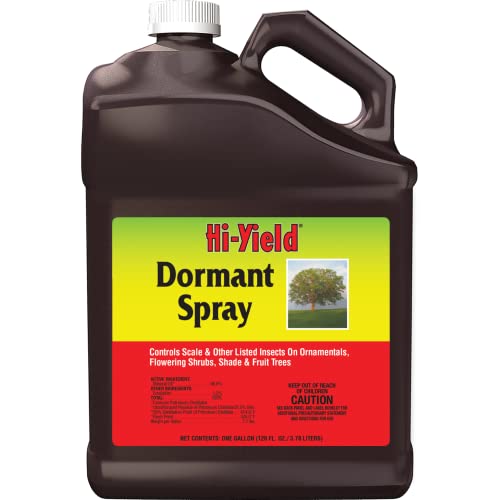
Controls a number of insects including Mites, Leaf Rollers, Armyworms and more. See label for more.

USE YEAR ROUND - Our 3-in-1 product provides year-round protection against insects, mites, and diseases. Can be used at the dormant stage, green tip stage, delayed dormant stage, and during the growing season to prevent pest infestations and disease.
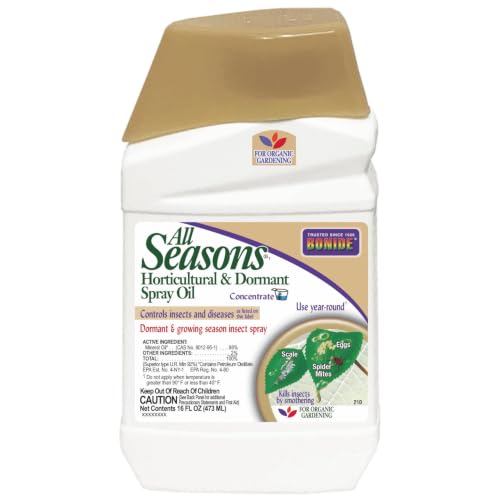
Control insects & diseases in your home garden with All Seasons Horticultural & Dormant Spray Oil Concentrate; use year-round to control listed insects and diseases
Dormant Oil Application Preparation Steps
Preparing for the application of dormant oil on apricot trees is crucial for effective pest management and overall tree health. This section outlines the essential steps homeowners should take to ensure proper application, maximizing the benefits of dormant oil while minimizing potential issues. Understanding these preparation steps can lead to healthier trees and a more fruitful harvest.
Proper preparation is crucial for a successful application of dormant oil. Start by selecting a calm day when temperatures are above 40°F. This ensures the oil adheres properly and minimizes drift.
Check Weather Conditions
Avoid windy days to prevent overspray onto desirable plants.Wear Protective Gear
Use gloves, goggles, and a mask to avoid skin and respiratory irritation.Dilute as Needed
Follow the manufacturer’s instructions for dilution ratios to ensure effectiveness.
Effective Dormant Oil Application Techniques
Applying dormant oil effectively is crucial for protecting apricot trees from pests and diseases during their dormant season. This section outlines practical techniques to ensure thorough coverage and optimal results, helping homeowners safeguard their trees and promote healthy growth for the upcoming season. Understanding these methods will enhance your gardening efforts and contribute to a thriving apricot harvest.
Executing the application of dormant oil requires attention to detail. Follow these steps to ensure thorough coverage:
Prepare the Sprayer
Clean the sprayer to remove any previous chemicals.Mix the Solution
Combine the dormant oil with water as per the instructions.Test Spray
Conduct a test spray on a small area to check for any adverse reactions.Apply Evenly
Spray the entire tree, focusing on branches, trunks, and the ground around the base.
Optimal Timing for Dormant Oil Application
Applying dormant oil at the right time is crucial for the health of apricot trees. This section outlines the optimal timing for application, ensuring that homeowners can effectively protect their trees from pests and diseases while promoting healthy growth. Understanding the seasonal factors will help maximize the benefits of this important horticultural practice.
Timing is critical when applying dormant oil. The best time is during the tree’s dormant season, typically late winter to early spring. This timing helps target overwintering pests and diseases effectively.
| Timing | Benefits |
|---|---|
| Late Winter | Targets pests before they emerge |
| Early Spring | Protects new growth from disease |
Common Pests and Diseases Affecting Apricot Trees
Understanding the common pests and diseases that affect apricot trees is essential for maintaining their health and productivity. By identifying these threats early, homeowners can take proactive measures to protect their trees and ensure a bountiful harvest. This section will detail the most prevalent issues you may encounter and offer guidance on how to manage them effectively.
Understanding the common pests and diseases that affect apricot trees helps homeowners apply dormant oil more effectively. Key threats include:
Aphids
Small insects that can weaken trees by feeding on sap.Scale
Hard-shelled insects that attach to branches and suck sap.Fungal Diseases
Such as brown rot, which can affect fruit quality.
Infestation Symptoms in Apricot Trees
Identifying infestation symptoms in apricot trees is crucial for maintaining their health and productivity. Homeowners should be vigilant for signs that indicate pest problems, as early detection can prevent significant damage. This section outlines the key symptoms to watch for, ensuring your apricot trees thrive throughout the growing season.
Identifying symptoms early can prevent extensive damage. Look for:
Wilting Leaves
Indicating sap loss from pests.Discoloration
Yellowing leaves may signal disease.Sticky Residue
A sign of aphid activity.
Post-Application Evaluation of Dormant Oil
After applying dormant oil to apricot trees, it’s essential to evaluate the treatment’s effectiveness. This assessment helps ensure that pests and diseases are adequately managed, allowing for healthier trees and a more fruitful harvest. Understanding how to properly evaluate the results will enhance your overall tree care strategy.
Post-application evaluation is essential to determine the effectiveness of dormant oil. Check for any signs of pests or diseases after a few weeks.
Inspect Leaves and Branches
Look for new growth and absence of pests.Monitor Tree Health
Healthy foliage indicates successful treatment.Reapply if Necessary
If pests persist, consider a second application following the same process.
Recommended Products
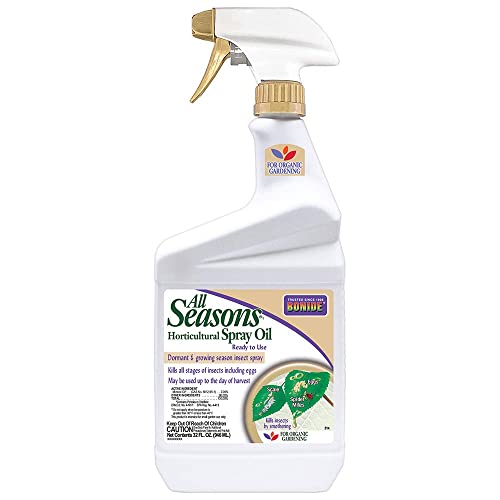
Control insects and diseases in your home garden with All Seasons Horticultural and Dormant Spray Oil Concentrate; use year-round to control listed insects and diseases

Voluntary Purchasing Group 32034 Paraffin Oil Spray, 32 oz

Kills insects, diseases and mites year round
Application Guidelines for Dormant Oil
Applying dormant oil effectively is crucial for maintaining the health of apricot trees. This section provides detailed guidelines on how to properly use dormant oil, ensuring optimal protection against pests and diseases during the dormant season. By following these application tips, homeowners can promote vigorous growth and improve fruit yield in their apricot trees.
Always follow the manufacturer’s instructions for application rates and timing to avoid damaging your apricot trees.
Alternative Pest Management Strategies for Apricot Trees
In managing pests on apricot trees, homeowners can explore a variety of alternative strategies that complement the use of dormant oil. These methods focus on promoting a balanced ecosystem while minimizing chemical interventions. By implementing these techniques, you can effectively protect your trees and enhance their overall health.
While dormant oil is effective, consider alternative treatments for integrated pest management. These options can complement your approach:
Neem Oil
A natural pesticide that can be used year-round.Insecticidal Soap
Targets soft-bodied insects without harming beneficial ones.Companion Planting
Certain plants can deter pests naturally.
Routine Care for Apricot Trees
Proper care for apricot trees is essential for healthy growth and fruitful yields. This section outlines the routine maintenance tasks that homeowners should undertake to ensure their trees thrive throughout the seasons, from watering and fertilization to pruning and pest management. Understanding these practices will help you cultivate robust apricot trees in your garden.
Homeowners should regularly monitor their apricot trees throughout the year. Implementing a routine care schedule will enhance tree health and fruit production. Apply dormant oil as needed during the dormant season to protect against pests and diseases.
