

Have you ever wondered why your lime tree isn’t bearing fruit? You’re not alone. Many gardeners face this frustrating issue, especially after nurturing their trees with care and anticipation.
Whether you’ve just planted a new tree or have an older one that’s suddenly stopped producing, it can be disheartening to see those vibrant green leaves without any limes in sight. Understanding the reasons behind this can make all the difference.
In this article, you’ll discover the common factors that might be affecting your lime tree’s fruit production. With a little knowledge and some practical tips, you can get your tree back on track to producing delicious limes in no time.
Key Takeaways
- Pollination Matters: Ensure your lime tree is in an area with sufficient pollinators like bees, as insufficient pollination can lead to poor fruit production.
- Temperature Control: Lime trees thrive in warm temperatures (70°F to 100°F). Protect them from cold conditions that can cause flower drop.
- Nutrient Balance: Regularly fertilize with a balanced formula every six weeks to promote healthy growth and fruiting; avoid nutrient deficiencies and excesses.
- Proper Watering: Water deeply but infrequently, aiming for 1-2 inches weekly, to maintain healthy root systems and prevent stress.
- Sunlight Needs: Position your lime tree in full sunlight, ensuring it receives at least eight hours of light daily for optimal growth and fruit development.
- Pest Management: Monitor for pests and diseases regularly, and take timely action to prevent infestations that can hinder fruit production.
Understanding Lime Tree Fruit Production
Lime trees are known for their vibrant green leaves and fragrant flowers, yet many gardeners see only foliage without fruit. Several factors influence lime tree fruit production.
Common Reasons for Lack of Fruit
- Insufficient Pollination: Lime trees require pollinators like bees for fruit production. A lack of pollinators around your garden can lead to fewer or no fruits.
- Temperature Extremes: Lime trees thrive in warm conditions. Cold temperatures below 50°F can cause flowers to drop before fruit sets.
- Nutrient Imbalance: Nutrient deficiencies or excesses impact fruiting. A lack of nitrogen can hinder growth, while too much fertilizer may promote foliage at the expense of fruit.
- Watering Practices: Inconsistent watering affects your tree’s health. Too much water can lead to root rot, while too little water may stress the plant, causing it to drop flowers.
- Age of the Tree: Young lime trees might take a few years to produce fruit. If your tree is under three years old, it may simply need more time to mature.
- Fertilization: Fertilize your lime tree with a balanced fertilizer every six weeks during the growing season. This promotes healthy growth and fruiting.
- Watering: Water your lime tree deeply but infrequently. Aim for 1-2 inches of water weekly, adjusting for rainfall.
- Pruning: Regularly prune your tree to remove any dead or overcrowded branches. This encourages air circulation and light penetration.
- Sun Exposure: Place your tree in a sunny location, ensuring it receives at least eight hours of sunlight daily for optimal growth and fruiting.
- Pest Management: Monitor for pests like aphids and spider mites. Use organic solutions or insecticidal soap if needed to protect your tree.
By understanding these factors and providing the right care, you can enhance your lime tree’s chances of producing delicious fruits.
Environmental Factors
Environmental factors play a crucial role in your lime tree’s ability to produce fruit. Addressing these elements can significantly enhance fruiting potential.
Recommended Products

FORMULATED FOR CITRUS AND FRUIT TREES: Use these citrus fertilizer spikes on apple, orange, lemon, lime, and avocado trees; this formula is also great for feeding palm trees

Let our professionally formulated plant food help your citrus tree grow healthy, strong AND abundantly producing

Package contains 4 Pounds organic fruit and citrus fertilizer grains and is produced to avoid wasteful runoff, mess, hazards and smells
Climate Requirements for Lime Trees
Lime trees thrive in warm, subtropical climates. They prefer temperatures between 70°F and 100°F (21°C to 37°C). Extreme cold can damage or kill flowers, preventing fruit from forming. If your area experiences temperatures below 30°F (-1°C), consider protecting your tree with blankets or bringing potted trees indoors during cold snaps.
Humidity levels between 50% and 70% also benefit lime trees. Low humidity can cause stress, leading to flower drop. If your climate is dry, increase humidity by misting the leaves or placing a humidifier nearby.
Soil Conditions and Nutrient Needs
Soil quality directly affects lime tree health and productivity. Lime trees prefer well-draining, sandy loam soil with a pH between 6.0 and 7.5. Ensure your tree has enough drainage to prevent root rot. Consider mixing organic matter such as compost into the soil to enhance its structure and nutrient-holding capacity.
Lime trees have specific nutrient needs. A balanced fertilizer, rich in nitrogen, phosphorus, and potassium, promotes healthy growth and fruiting. Fertilize every six weeks during the growing season with a 10-10-10 or equivalent fertilizer. Monitoring soil nutrient levels through testing can guide your fertilization schedule and help avoid nutrient deficiencies.
Care and Maintenance
Proper care and maintenance significantly influence the fruit production of your lime tree. By focusing on watering practices and fertilization methods, you can promote a healthy and fruitful tree.
Recommended Products

Kindly NOTE: This soil tester can not be applied to test pH value of any other liquid. If the soil is too dry the indicator will not move, and water it before testing.
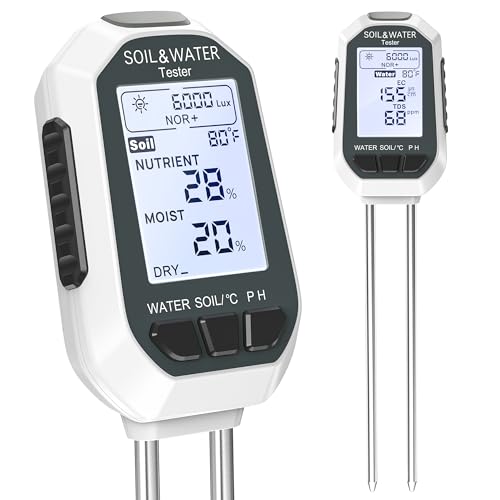
【7-in-1 Features】This is a 7-in-1 multi-function soil tester. Our soil tester quickly measures soil moisture, pH, temperature and light intensity, and its fertility function helps you take better care of your plants. With this device you can measure the soil moisture, pH, temperature and light intensity for your plants and with the EC and TDS functions you will know when it is time to water the soil.

Package contains 6 pounds organic soil de-acidifier grains and is produced to avoid wasteful runoff, mess, hazards and smells
Watering Practices
Water deeply and infrequently to encourage strong root development. Aim for 1 to 2 inches of water weekly, adjusting based on rainfall. Ensure the soil dries out slightly between waterings to prevent root rot.
Use a moisture meter or your finger to check soil moisture several inches down. If it feels dry, it’s time to water. Consider watering early in the day to reduce evaporation and allow the tree to absorb moisture effectively.
Fertilization and Soil Amendments
Fertilize your lime tree every 6 weeks during the growing season using a balanced fertilizer, such as a 10-10-10 formulation. Look for a fertilizer that includes micronutrients like magnesium and iron, which help enhance fruit production.
Incorporate organic matter into the soil to improve drainage and nutrient content. Peat moss, compost, or well-rotted manure work well. Test the soil pH with a kit; maintain a pH between 6.0 and 7.5 for optimal growth. Adjust soil as needed with sulfur for acidity or lime for alkalinity.
By focusing on these care aspects, you’ll create the best environment for your lime tree to thrive and produce fruit.
Pest and Disease Management
Effective pest and disease management is essential for your lime tree to produce fruit. Identifying and addressing issues promptly can lead to healthier trees and better yields.
Recommended Products

DISEASE CONTROL - Liqui-Cop is designed to prevent a wide variety of plant diseases including anthracnose, brown rot, blight, downy mildew, botrytis blight, leaf spot and many more.

Control fungus and disease in your garden with Captain Jack’s ready-to-spray Liquid Copper Fungicide!

TREATS AND CONTROLS PLANT DISEASE - Maintain the health of your plants with Earth’s Ally fungicide spray. Tackle common plant diseases including powdery mildew, downy mildew, blight, canker, black spot and leaf spot. Also functions as a complete fungicide, giving your plants all-in-one disease protection.
Identifying Common Pests
Common pests that can affect lime trees include aphids, spider mites, and scale insects.
- Aphids: Small, soft-bodied insects that suck sap from leaves and stems. Check for sticky residue or curled leaves as signs. You can wash them off with a strong spray of water or treat your tree with insecticidal soap.
- Spider Mites: Tiny, spider-like pests that thrive in dry conditions. Look for fine webbing on leaves. Increase humidity around your tree and use miticides to combat infestations.
- Scale Insects: Hard, waxy shells that attach to stems and leaves, feeding on sap. You might notice yellowing leaves or stunted growth. Manually remove them with a soft brush or apply horticultural oil for effective control.
Recognizing Diseases Affecting Lime Trees
Several diseases can hinder your lime tree’s ability to bear fruit, including root rot, leaf spot, and citrus greening.
- Root Rot: Caused by overwatering and poor drainage, root rot leads to wilting and yellowing leaves. Ensure your tree’s soil drains well and adjust your watering schedule. If root rot occurs, consider replanting in fresh soil and cutting away affected roots.
- Leaf Spot: Appears as small, dark spots on leaves, indicating fungal infections. Improve air circulation around your tree by pruning dense growth and applying fungicides if the problem persists.
- Citrus Greening: A serious bacterial disease that stunts growth and causes yellowing leaves. Symptoms include misshapen fruit and poor flavor. If you suspect citrus greening, contact your local agricultural extension office for guidance.
By recognizing these pests and diseases early, you’re better equipped to manage problems and maintain your lime tree’s health, ultimately leading to more fruitful harvests.
Conclusion
Getting your lime tree to produce fruit can be a journey filled with learning. By understanding the factors that affect fruiting and implementing the right care techniques you can encourage your tree to thrive.
Remember to keep an eye on pollination watering practices and soil conditions. Regular maintenance like pruning and pest management plays a vital role too.
With a little patience and the right approach you’ll soon be enjoying the fruits of your labor – literally! Keep nurturing your lime tree and watch it flourish into a bountiful source of delicious limes.
Frequently Asked Questions
Why isn’t my lime tree producing fruit?
Lime trees may not produce fruit due to factors like insufficient pollination, temperature extremes, or nutrient imbalances. Ensure there are pollinators nearby, maintain proper temperatures, and provide balanced nutrients to encourage fruiting.
How can I improve lime tree fruit production?
Enhance fruit production by fertilizing every six weeks with a balanced fertilizer, ensuring deep and infrequent watering, and providing adequate sunlight. Regular pruning and effective pest management also contribute to better yields.
What temperature do lime trees thrive in?
Lime trees thrive in warm temperatures between 70°F and 100°F (21°C to 37°C). Extreme cold can damage flowers and prevent fruit formation, so consider protective measures during chilly weather.
What soil conditions are best for lime trees?
Lime trees prefer well-draining sandy loam soil with a pH between 6.0 and 7.5. Mixing organic matter into the soil can improve fertility and drainage, supporting healthy growth and fruiting.
How often should I water my lime tree?
Water your lime tree deeply but infrequently to encourage strong root development. Using a moisture meter can help you monitor soil moisture levels and avoid overwatering.
What pests should I watch for on lime trees?
Common pests affecting lime trees include aphids, spider mites, and scale insects. Regularly inspect your tree for signs of these pests and take prompt action to control them for better fruit production.
How can I manage diseases in lime trees?
To manage diseases like root rot, leaf spot, and citrus greening, regularly monitor your tree for symptoms. Quick identification and treatment are essential for maintaining tree health and ensuring fruit production.
Do young lime trees bear fruit?
Young lime trees typically take a few years to start producing fruit. Patience is key, as they need time to mature before they can yield limes. Care and attention during this period are crucial for future harvests.
