

Growing fig trees in Florida can be highly rewarding due to the state’s subtropical climate. With the right techniques and care, you can cultivate healthy trees that produce abundant fruit. This guide outlines essential steps and tips for successful fig tree cultivation in Florida.
Essential Supplies for Fig Tree Cultivation
Growing fig trees in Florida requires careful preparation and the right tools. This section outlines the essential supplies needed for successful fig tree cultivation, ensuring you have everything necessary to foster healthy growth and maximize your harvest in the subtropical climate. From soil amendments to irrigation systems, having the right equipment is crucial for thriving fig trees.
Before starting your fig tree journey, gather essential supplies to ensure a smooth planting process. Proper tools and materials will help you create the ideal environment for your trees.
Fig tree saplings (choose varieties suited for Florida)
Quality potting soil (well-draining)
Organic compost (for nutrients)
Mulch (to retain moisture)
Watering can or hose (for irrigation)
Pruning shears (for maintenance)
| Item | Purpose |
|---|---|
| Fig tree saplings | Source of fruit |
| Potting soil | Supports root growth |
| Organic compost | Provides nutrients |
| Mulch | Retains moisture |
| Watering can | Ensures proper hydration |
| Pruning shears | Maintains tree health |
Recommended Products

CLEAN CUTS FOR LIVE GROWTH: Bypass blade design is ideal for pruning delicate flower stems and green growth, helping reduce crushing and plant damage while cutting stems and small branches up to 5/8” in diameter

What Makes VT-C800 Unique? Jam-Proof Sealed Spring | Ever-Sharp Dual-Coated SK5 Blades | Easy Thumb Lock | Backed by Lifetime Support

LONG-LASTING SHARPNESS: Japanese SK5 bypass blade with titanium coating is tested through 5,000 cuts to maintain a sharp edge and deliver clean, consistent cuts on live stems and branches
Optimal Site Selection for Fig Trees
Choosing the right location is crucial for successfully growing fig trees in Florida’s subtropical climate. This section outlines the key factors to consider when selecting an optimal site, including sunlight exposure, soil type, and drainage conditions. Understanding these elements will help ensure your fig trees thrive and produce abundant fruit.
Selecting the right location is crucial for fig tree success. Fig trees thrive in full sun and well-drained soil. Follow these steps to prepare your planting site effectively.
Choose a sunny spot with at least six hours of sunlight daily.
Test the soil for drainage; amend with sand if necessary.
Clear the area of weeds, rocks, and debris.
Dig a hole twice the width of the root ball and just as deep.
Ensure the site is free from standing water after heavy rains. This will prevent root rot and other diseases.
Fig Tree Planting Best Practices
Successfully planting fig trees in Florida requires attention to specific best practices that cater to the subtropical climate. Understanding the right soil conditions, spacing, and planting techniques can significantly enhance growth and fruit production. This section outlines essential steps to ensure your fig trees thrive in Florida’s unique environment.
Planting your fig trees correctly sets the foundation for healthy growth. Follow these steps to ensure a successful planting.
Place the tree in the center of the hole.
Backfill with soil and compost mixture, ensuring no air pockets.
Water thoroughly to settle the soil around the roots.
Apply mulch around the base to retain moisture.
Monitor the tree closely for the first few weeks. Adjust watering based on rainfall and temperature.
Fig Tree Watering and Fertilizing Techniques
Proper watering and fertilizing are crucial for the successful growth of fig trees in Florida’s subtropical climate. Understanding the specific needs of these trees will help ensure healthy growth and abundant fruit production. This section will provide effective techniques to optimize water and nutrient delivery for your fig trees.
Proper watering and fertilizing are critical for fig tree health. Establish a routine that supports growth without overwatering.
Water deeply once a week, adjusting frequency based on rainfall.
Use a balanced fertilizer during the growing season.
Apply compost in spring to boost nutrients.
Fig trees prefer slightly dry conditions between waterings. Overwatering can lead to root issues.
Recommended Products

Made for Fiddle Leaf Fig Plants – Specially formulated fiddle leaf fig fertilizer designed for ficus trees and indoor plant care.

Supports Strong Growth & Fruit Development - Helps promote vigorous branches, healthy foliage, and improved fig production.

ESSENTIAL NUTRIENTS - A balanced mix to feed your ficus that promotes strong root structure, growth and overall better health. Provides the proper nutrients to grow your small fiddleleaf or audrey ficus into a giant!
Pruning Strategies for Florida Fig Trees
Pruning is essential for maintaining the health and productivity of fig trees in Florida’s unique subtropical climate. By employing effective pruning strategies, you can enhance fruit quality, promote better air circulation, and encourage robust growth. This section delves into the best practices for pruning fig trees to ensure they thrive in Florida’s conditions.
Regular pruning is essential for maintaining the shape and health of your fig trees. Follow these guidelines for effective pruning.
Prune in late winter before new growth starts.
Remove dead or diseased branches to promote airflow.
Thin out crowded areas to allow sunlight penetration.
Shape the tree to encourage a strong structure.
Pruning helps improve fruit quality and prevents pest infestations. Always use clean, sharp tools to minimize damage.
Pest and Disease Control for Fig Trees
Maintaining the health of fig trees in Florida requires vigilance against pests and diseases that can threaten their growth. Understanding the common challenges specific to the subtropical climate is essential for effective management. This section outlines proven strategies to protect your fig trees, ensuring they thrive in their ideal environment.
Fig trees can be susceptible to various pests and diseases. Early detection and management are vital for maintaining tree health.
Inspect regularly for signs of pests like aphids or spider mites.
Use insecticidal soap for pest control.
Monitor for fungal diseases such as leaf spot.
Ensure good air circulation to prevent mold growth.
Always act quickly if you notice any issues. This will help mitigate damage and support recovery.
Recommended Products
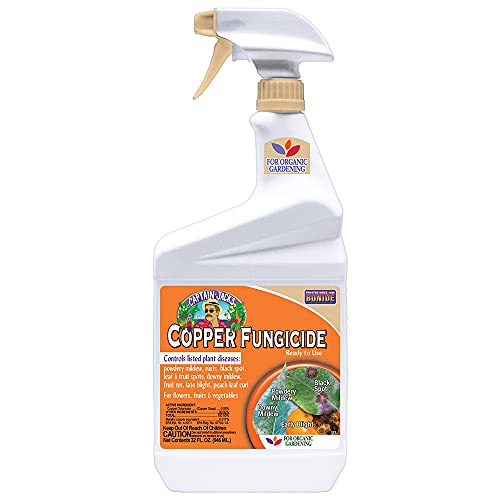
Control fungus and disease in your garden with Captain Jack’s ready-to-use Liquid Copper Fungicide!

KILLS LISTED FRUIT & CITRUS TREE INSECTS: Controls Asian Citrus Psyllid, Whiteflies, Aphids Thrips, Citrus Leafminers, Leafhoppers, Blackfly, Mealybugs, Scales, Avocado Lacebugs, Oriental Beetles, Flea Beetles, Sharpshooters, and Spittlebugs

TRIPLE PROTECTION FORMULA: 3-in-1 solution kills listed insects, controls listed diseases, and controls listed mites with one easy application
Fig Harvest Timing and Techniques
Understanding the timing and techniques for harvesting figs is crucial for maximizing your yield in Florida’s subtropical climate. This section will delve into the optimal periods for picking figs, along with effective methods to ensure the fruit’s quality and flavor. By following these guidelines, you can enjoy a bountiful and delicious harvest.
Knowing when and how to harvest figs is essential for enjoying their sweet flavor. Figs do not ripen after picking, so timing is crucial.
Check for ripeness by observing color and softness.
Gently twist or cut the figs from the stem.
Harvest in the morning when temperatures are cooler.
Store harvested figs in a cool place. Consume them within a few days for the best flavor.
Essential Care Techniques for Florida Figs
Growing fig trees in Florida requires specific care techniques to thrive in the subtropical climate. Understanding the unique needs of these trees, from soil conditions to watering practices, is crucial for a successful harvest. This section outlines the essential care methods that will help ensure your fig trees flourish in Florida’s environment.
Growing fig trees in Florida requires attention to detail and consistent care.
Monitor soil moisture regularly.
Adjust fertilization based on tree growth.
Stay vigilant against pests and diseases.
These practices will help ensure a fruitful fig tree harvest.
