

Growing plum trees in North Carolina’s Piedmont region requires careful attention to local climate and soil conditions. Selecting the right varieties and implementing proper care techniques will enhance fruit production and tree health.
Piedmont Plum Varieties for Optimal Growth
In the Piedmont region of North Carolina, selecting the right plum varieties is essential for achieving optimal growth and fruit production. This section highlights the most suitable plum types for local conditions, focusing on their unique characteristics and adaptability to the climate, soil, and other environmental factors specific to the area.
Choosing the right plum tree varieties is crucial for successful cultivation in the Piedmont area. The climate here is characterized by hot summers and cold winters, which can influence fruiting and tree vigor. Recommended varieties include:
Methley: A Japanese plum known for sweet, juicy fruit. It ripens early in the season.
Santa Rosa: Another Japanese variety that produces large, flavorful plums. It has good disease resistance.
Sloe: A European variety that thrives in colder temperatures and offers a tart flavor.
These selections are well-adapted to the region’s conditions and can produce abundant yields.
Soil Requirements for Healthy Plum Trees
Understanding the soil requirements for plum trees is crucial for successful cultivation in North Carolina’s Piedmont region. The right soil conditions not only promote healthy growth but also enhance fruit quality and yield. This section details the specific soil types and characteristics that support thriving plum trees in this unique climate.
Proper soil preparation is essential for healthy plum tree growth. The ideal soil should be well-draining and rich in organic matter. Follow these steps to prepare your soil:
Test the Soil: Use a soil test kit to determine pH and nutrient levels. Aim for a pH between 6.0 and 7.0.
Amend the Soil: Based on test results, add lime to raise pH or sulfur to lower it. Incorporate compost to improve fertility.
Tilling: Loosen the soil to a depth of at least 12 inches to promote root growth.
Piedmont Soil Preparation for Plum Trees
Preparing the soil in North Carolina’s Piedmont region is essential for successful plum tree cultivation. The unique soil composition and climate conditions in this area require specific strategies to ensure optimal growth and fruit production. Understanding these preparation techniques will help gardeners create a thriving environment for their plum trees.
| Step | Action | Purpose |
|---|---|---|
| 1 | Test the Soil | Determine pH and nutrients |
| 2 | Amend the Soil | Optimize growing conditions |
| 3 | Till Soil | Enhance root penetration |
Piedmont Plum Tree Planting Techniques
Planting plum trees in North Carolina’s Piedmont region requires specific techniques to ensure healthy growth and fruitful yields. This section delves into the best practices tailored to the unique climate and soil conditions of the area, providing essential insights for both novice and experienced gardeners looking to cultivate thriving plum trees.
Planting plum trees correctly ensures robust growth and fruiting. Consider the following techniques:
Timing: Plant in early spring after the last frost. This allows roots to establish before the heat of summer.
Spacing: Space trees 15 to 20 feet apart to allow for adequate air circulation and sunlight.
Depth: Dig a hole twice the width of the root ball and slightly shallower than the root depth. This prevents water from pooling around the roots.
Recommended Products

American Red Plum (Prunus americana): The American Red Plum is a common shrub or small tree, often found along roadsides. Fruits are yellow to red in color and used for jellies and jams. Found from Massachusetts to Manitoba, South to Georgia, New Mexico and Utah

Suitable for various USDA Hardiness Zones (3-8), making it adaptable to different climates and regions.

Versatile Fruit Use: The plums produced can be eaten fresh as a snack and are well-suited for home kitchen projects like creating preserves, jams, and baked goods.
Piedmont Planting Risks for Plum Trees
When planting plum trees in North Carolina’s Piedmont region, it’s crucial to understand the specific risks associated with the local climate and soil conditions. This section outlines potential challenges such as temperature fluctuations, soil drainage issues, and pest pressures that can affect the health and productivity of your plum trees. Being aware of these factors can help ensure a successful planting experience.
Avoid planting in low-lying areas where water can accumulate, as this may lead to root rot.
Plum Tree Watering and Fertilization Tips
Proper watering and fertilization are crucial for the health and productivity of plum trees in North Carolina’s Piedmont region. Understanding the specific needs of these trees can help ensure they thrive in the local climate. This section provides essential tips on how to effectively manage water and nutrients for optimal growth and fruit production.
Effective watering and fertilization are crucial for the health of plum trees. Follow these guidelines:
Watering: Provide 1 to 2 inches of water weekly, especially during dry spells. Use a soaker hose to deliver moisture directly to the roots.
Fertilization: Apply a balanced fertilizer in early spring. Follow the manufacturer’s instructions for dosage.
Recommended Products

FORMULATED FOR CITRUS AND FRUIT TREES: Use these citrus fertilizer spikes on apple, orange, lemon, lime, and avocado trees; this formula is also great for feeding palm trees

Let our professionally formulated plant food help your fruit tree grow healthy, strong AND abundantly producing
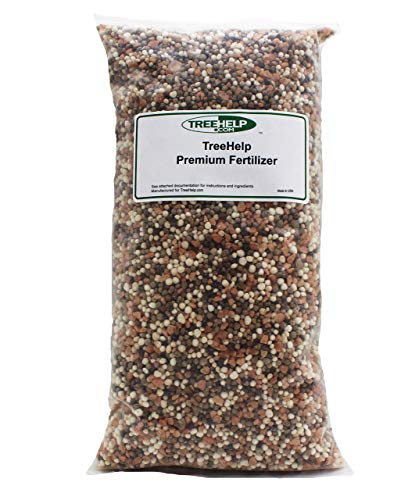
Approximately 3 Pounds
Piedmont Plum Tree Fertilization Guide
Fertilizing plum trees in North Carolina’s Piedmont region is essential for promoting healthy growth and fruit production. This guide provides tailored advice on the best practices for fertilization, including timing, types of fertilizers, and specific nutrient needs to ensure your trees thrive in the local climate and soil conditions.
| Month | Action |
|---|---|
| March | Apply balanced fertilizer |
| June | Side-dress with compost |
| August | Light feeding if needed |
Plum Tree Pest and Disease Strategies
Managing pests and diseases is crucial for ensuring the health and productivity of plum trees in North Carolina’s Piedmont region. This section outlines effective strategies tailored to local conditions, helping growers protect their trees from common threats while promoting robust fruit development. Understanding these challenges and solutions will enhance overall orchard management and yield.
Pests and diseases can significantly impact plum tree health. Regular monitoring and management strategies are essential. Common issues include:
Brown Rot: A fungal disease that affects fruit. Prune infected branches and ensure good air circulation.
Aphids: Small insects that can weaken trees. Use insecticidal soap to control infestations.
Plum Curculio: A beetle that damages fruit. Handpick or use traps to reduce populations.
Recommended Products

SYSTEMIC PLANT DISEASE CONTROL: Disease Control for Roses, Flowers, and Shrubs is a systemic formula that cures and prevents listed diseases for roses, flowers, shrubs, or even houseplants (treated outside)

Control diseases and insects in your garden with Captain Jack’s Fruit Tree Spray Concentrate! Use on a variety of listed fruits, nuts and citrus plants.

TRIPLE PROTECTION FORMULA: 3-in-1 solution kills listed insects, controls listed diseases, and controls listed mites with one easy application
Piedmont Plum Tree Symptoms and Suspects
In the Piedmont region of North Carolina, plum trees can face a variety of challenges that affect their health and productivity. Understanding the symptoms of common issues and identifying potential culprits is essential for effective management. This section delves into the specific signs to watch for and the factors that may be impacting your plum trees.
| Symptom | Primary Suspect | Difficulty 1-5 |
|---|---|---|
| Wilting leaves | Aphids | 2 |
| Rotting fruit | Brown Rot | 3 |
| Misshapen fruit | Plum Curculio | 4 |
Piedmont Plum Tree Pruning Strategies
Pruning plum trees is essential for maintaining their health and maximizing fruit production, especially in North Carolina’s Piedmont region. This area presents unique climatic and soil conditions that influence the best practices for pruning. Understanding the specific strategies tailored for this region can significantly enhance the growth and yield of your plum trees.
Regular pruning promotes healthy growth and fruit production in plum trees. Follow these steps:
Timing: Prune during late winter or early spring before new growth begins.
Technique: Remove dead or crossing branches to improve air circulation. Thin out crowded areas to allow sunlight penetration.
Shaping: Aim for an open-center shape to facilitate light exposure and fruit development.
Piedmont Plum Tree Care Recommendations
Caring for plum trees in North Carolina’s Piedmont region requires attention to local climate and soil conditions. This section provides tailored recommendations to help growers maximize fruit quality and tree health, ensuring a successful harvest. From planting techniques to pest management, these guidelines will support both novice and experienced gardeners in nurturing their plum trees effectively.
Neglecting proper care can lead to reduced yields and tree health issues. Regular monitoring and maintenance are essential for thriving plum trees in North Carolina’s Piedmont region.
