

Cherry trees thrive in Mississippi with the right low-chill varieties. These trees require fewer chilling hours, making them ideal for the state’s warmer climate.
Low-Chill Cherry Varieties for Mississippi
Low-chill cherry varieties are specifically bred to flourish in warmer climates with fewer chilling hours. Mississippi’s climate can be challenging for traditional cherry trees, which typically need 700 to 1,000 chilling hours. Low-chill cherries, however, can produce fruit with only 300 to 500 chilling hours. This makes them a viable option for home gardeners and commercial growers in the region.
Recommended Products
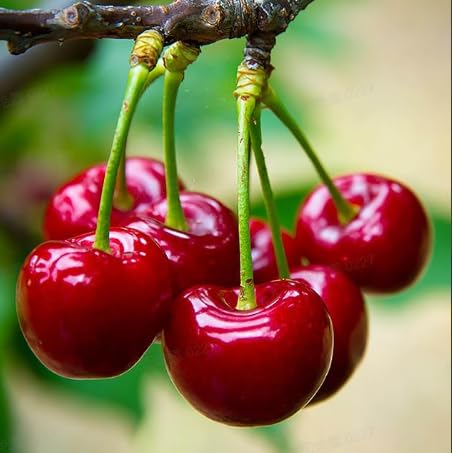
Basic Seed Attributes & Planting Scenarios: 20 Pcs Cherry Tree Seeds, non-GMO heirloom variety, with sweet and tender juicy fruits, suitable for home garden cultivation, and can be planted both indoors and outdoors.


Seed Cherry Tree Fruit Tree Seed for Planting Outdoor-Non-GMO Heirloom Sweet Juicy Fruits Plant in Your Home Garden
Top Low-Chill Cherry Varieties for Mississippi
Mississippi’s warm climate presents unique challenges for cherry cultivation, but several low-chill varieties thrive in this environment. These selections require fewer chilling hours, making them ideal for local growers seeking to enjoy the beauty and bounty of cherry trees. The following varieties have proven successful in Mississippi, offering both resilience and delicious fruit.
Several low-chill cherry varieties are well-suited for Mississippi. Each variety has unique characteristics and benefits. Here are some of the most popular options:
| Variety Name | Chilling Hours | Flavor Profile | Harvest Time |
|---|---|---|---|
| Bing | 500 | Sweet | Late June |
| Royal Lee | 300 | Sweet-Tart | Early June |
| Carmen | 400 | Sweet | Early July |
| Sweetheart | 400 | Sweet | Late July |
Bing cherries are a classic choice, known for their sweetness. Royal Lee offers a unique sweet-tart flavor and is one of the earliest to ripen. Carmen cherries provide a good balance of sweetness and acidity, while Sweetheart cherries are perfect for those who enjoy a rich, sweet flavor.
Cherry Tree Garden Preparation Tips
Preparing a garden for cherry trees in Mississippi requires careful planning to ensure success with low-chill varieties. Understanding the specific needs of these trees, including soil type, sunlight, and spacing, is essential for optimal growth. The following tips will guide you in creating an ideal environment for your cherry tree garden.
Proper preparation is crucial for successful cherry tree growth. Start by selecting a sunny location with well-draining soil. Cherry trees prefer slightly acidic to neutral soil, ideally between 6.0 and 7.0 pH.
Soil Testing for Low-Chill Cherries
Understanding the soil composition is crucial for successfully cultivating low-chill cherries in Mississippi. Soil testing provides valuable insights into pH levels, nutrient availability, and overall health, ensuring that cherry trees receive the optimal conditions for growth. This section explores the importance of soil analysis and the specific tests that can enhance cherry production in the region.
Conduct a soil test to determine pH and nutrient levels. This will help you understand what amendments are necessary. Common amendments include:
Lime to raise pH
Sulfur to lower pH
Compost to improve soil structure
Once you have the results, amend the soil as needed to create an optimal growing environment.
Cherry Tree Planting Strategies in Mississippi
Planting cherry trees in Mississippi requires careful consideration of the region’s unique climate and soil conditions. Successful strategies focus on selecting low-chill cherry varieties that thrive in warmer temperatures, while also addressing factors like spacing, sunlight, and irrigation. By implementing these tailored approaches, gardeners can enhance their chances of a fruitful cherry harvest.
Planting cherry trees correctly ensures healthy growth and fruit production. Follow these steps for successful planting:
Choose a planting date in early spring after the last frost.
Dig a hole twice as wide as the root ball and the same depth.
Place the tree in the center of the hole, ensuring the graft union is above soil level.
Backfill with soil and water thoroughly to eliminate air pockets.
Apply mulch around the base to retain moisture and suppress weeds.
Recommended Products


🍒 3 BLACK CHERRY TREES (PRUNUS SEROTINA): Grow a fast-growing native fruit tree known for producing dark cherries for eating and cooking, and supporting local ecosystems, wildlife, and pollinators.
Watering Practices and Fertilizer Guidelines
Effective watering practices and appropriate fertilizer use are crucial for the successful cultivation of low-chill cherry trees in Mississippi. Understanding the specific needs of these trees can enhance their growth and fruit production, ensuring that they thrive in the region’s unique climate conditions. This section will outline the best strategies for watering and fertilizing to achieve optimal results.
After planting, water the tree regularly, especially during dry spells. Use a balanced fertilizer designed for fruit trees in early spring to promote healthy growth.
Pest and Disease Management for Cherry Trees
Effective pest and disease management is crucial for the successful cultivation of cherry trees in Mississippi, especially when dealing with low-chill varieties. Understanding the common threats these trees face and implementing targeted strategies can significantly enhance their health and productivity. This section delves into the key approaches for safeguarding cherry trees from pests and diseases in the region.
Cherry trees can be susceptible to various pests and diseases. Regular monitoring is essential for early detection. Common issues include:
Cherry fruit flies: Use traps to monitor and control populations.
Powdery mildew: Apply fungicides if necessary.
Bacterial canker: Prune affected areas during dry weather.
Recommended Products

COMPREHENSIVE COVERAGE: 4-pack of TERRO fruit fly traps for indoors with 180 days of lure supply provides comprehensive pest control coverage for your home's fruit fly infestations

4 PACK OF REFILLS: Use this 4-pack of liquid lure refills designed specifically for TERRO fruit fly traps, as the bait formula helps to provide continuous protection against fruit flies and gnats in your home for up to 180 days (45 days per refill)

Catch Flying Insects 24/7: This plug-in flying insect trap uses blue and UV light to attract and catch house flies, fruit flies, gnats, and flying pests. Its continuous attraction helps catch insects day and night for everyday indoor flying pest control.
Pest Control Strategies for Cherry Trees
Effective pest control is essential for the successful cultivation of cherry trees in Mississippi, particularly given the unique challenges posed by the region’s climate. Understanding the various pests that target these low-chill cherry varieties and implementing targeted strategies can significantly enhance tree health and fruit yield. This section delves into practical pest management techniques tailored for cherry growers in the state.
Implementing integrated pest management can help minimize chemical use. Consider introducing beneficial insects, such as ladybugs, to control pests naturally. Regularly inspect trees and remove any diseased or infested branches.
Optimal Cherry Harvesting Techniques
Successful cherry harvesting in Mississippi requires an understanding of specific techniques that enhance yield and fruit quality. By focusing on optimal timing, proper tools, and effective handling methods, growers can maximize their low-chill cherry production. This section delves into the best practices for harvesting cherries to ensure a bountiful and high-quality crop.
Harvesting cherries at the right time ensures the best flavor. Look for cherries that are fully colored and slightly soft to the touch.
Cherry Storage Techniques for Longevity
Proper storage techniques are essential for maintaining the quality and extending the shelf life of cherries harvested in Mississippi. Understanding the best practices for storing these low-chill varieties can help ensure that their flavor and texture remain intact, allowing consumers to enjoy the fruit long after the harvest season. This section explores effective methods to achieve optimal cherry storage.
After harvesting, store cherries in the refrigerator for up to a week. For longer storage, consider these methods:
Freezing: Wash and pit cherries, then freeze in airtight containers.
Canning: Preserve cherries in jars with sugar syrup.
Making jams: Cook cherries with sugar and pectin for delicious jams.
This approach allows you to enjoy your cherry harvest long after the season ends.
Low-Chill Cherry Varieties and Care
Mississippi’s climate presents unique challenges for cherry cultivation, particularly with chill hour requirements. This section explores various low-chill cherry varieties that thrive in warmer temperatures, along with essential care tips to ensure successful growth and fruit production. Understanding these varieties and their specific needs can help local growers maximize their cherry harvests.
Selecting the right low-chill cherry varieties, preparing the garden, and managing pests are all critical for success. Regular care and attention will yield a fruitful cherry harvest in Mississippi.
