

Have you ever dreamed of picking fresh fruit right from your backyard? If you’re tired of waiting for young trees to grow, buying mature fruit trees might be the perfect solution. Not only do they provide instant gratification, but they also add beauty and value to your outdoor space.
Key Takeaways
- Immediate Gratification: Mature fruit trees, often three years or older, produce fruit quickly, making them a great choice for instant harvest satisfaction.
- Enhanced Aesthetics and Property Value: These trees not only beautify your garden with their lush canopies but also significantly increase the market value of your property.
- Buy from Reputable Sources: Consider purchasing from local nurseries, specialty farms, or established online retailers, ensuring you check tree health and customer reviews for assurance.
- Variety Matters: Different types of mature fruit trees, like apples, peaches, or citrus, have unique requirements and produce varying yields. Choose varieties suited for your climate and preferences.
- Inspect Tree Health: Always examine trees for signs of disease and a robust root system before buying to ensure successful growth and longevity.
- Budget Wisely: Prices for mature fruit trees can vary greatly; prepare a budget that accounts for the tree’s cost as well as any additional expenses related to delivery and care.
Understanding Mature Fruit Trees
Mature fruit trees provide many advantages that set them apart from younger counterparts. You gain instant gratification by harvesting fruit sooner, enhancing your outdoor space both aesthetically and in value.
What Are Mature Fruit Trees?
Mature fruit trees typically refer to trees that are at least three years old. Their root systems are well-established, and they often begin producing fruit in their second or third year. This stage allows you to enjoy a harvest much faster than planting saplings.
Benefits of Buying Mature Fruit Trees
- Immediate Harvest: Most mature trees yield fruit within their first growing season after planting, making them ideal for quick enjoyment.
- Enhanced Aesthetics: Mature trees offer a visually appealing landscape with a full canopy and blooming branches, enriching your backyard’s beauty.
- Established Growth: These trees have robust root systems, providing better stability and resistance to disease compared to younger trees.
- Increased Value: Mature trees can boost the market value of your property, making it more attractive to potential buyers.
Considerations When Purchasing
- Tree Type: Different varieties produce different yields and require specific care. Research the types of fruit trees that thrive in your climate and soil conditions.
- Health Inspection: Check for signs of disease or damage when buying. Healthy bark, vibrant leaves, and strong branches signal good health.
- Size Matters: Mature trees come in various sizes. Consider your garden space and how large the tree will grow to ensure it fits well.
Where to Buy Mature Fruit Trees
- Local Nurseries: These establishments often carry a range of mature fruit trees suited for your specific region.
- Specialty Farms: Look for farms that specialize in growing fruit trees. They often offer trees that are acclimated to local conditions.
- Online Retailers: Many reputable online nurseries provide mature trees with shipping options. Verify their ratings and reviews for assurance.
- Timing: Plant during the fall or early spring for optimal growth.
- Soil Preparation: Ensure the planting hole is two times wider than the root ball. Use well-draining soil for best results.
- Watering: Regularly water your tree, especially during dry periods, to establish strong growth.
- Pruning: Prune dead or damaged branches after planting to encourage healthy growth.
By understanding the qualities and benefits of mature fruit trees, you’re better equipped to make informed decisions that enhance both your garden’s aesthetics and productivity.
Types of Mature Fruit Trees Available
Mature fruit trees come in various types, each offering unique flavors and harvesting experiences. Understanding the common and specialty varieties ensures you choose trees that suit your preferences and climate.
Recommended Products

Let our professionally formulated plant food help your fruit tree grow healthy, strong AND abundantly producing

Let our professionally formulated plant food help your fruit tree grow healthy, strong AND abundantly producing

Light: Thrives in full sun for best fruit production.
Common Varieties
- Apple Trees
Apple trees produce crisp and juicy fruit. Varieties like ‘Honeycrisp’ and ‘Granny Smith’ thrive in many regions. - Peach Trees
Peach trees offer sweet fruit, with varieties such as ‘Elberta’ and ‘Freyberg’ showcasing excellent taste and texture. - Pear Trees
Pear trees, including ‘Bartlett’ and ‘Bosc,’ yield smooth and delicious fruit, perfect for fresh eating or cooking. - Cherry Trees
Cherry trees, like ‘Bing’ and ‘Rainier,’ provide sweet and tangy cherries ideal for desserts or fresh snacking. - Plum Trees
Plum trees yield sweet and tart fruits. Popular varieties include ‘Santa Rosa’ and ‘Italian,’ known for their vibrant flavors.
- Fig Trees
Fig trees bring unique, sweet fruits. Varieties like ‘Brown Turkey’ and ‘Kadota’ thrive in warmer climates, offering an exotic addition to your yard. - Avocado Trees
Avocado trees produce creamy fruit. The ‘Hass’ and ‘Fuerte’ varieties are popular for their rich flavor and versatility. - Citrus Trees
Citrus trees, such as ‘Navel Orange’ and ‘Eureka Lemon,’ provide tangy fruits that enhance both culinary dishes and beverages. - Pomegranate Trees
Pomegranate trees bear unique, juicy fruits packed with antioxidants. The ‘Wonderful’ variety is favored for its large, flavorful seeds. - Olive Trees
Olive trees yield small, flavorful fruits. Varieties like ‘Arbequina’ and ‘Kalamata’ are prized for their oil and culinary uses.
Each type of mature fruit tree offers distinct benefits. Researching local climate conditions and selecting suitable varieties enhances your chances of a successful harvest.
Where to Buy Mature Fruit Trees
When seeking mature fruit trees, several reliable avenues exist. You can explore local nurseries, online retailers, and auctions to find the right trees for your garden.
Recommended Products
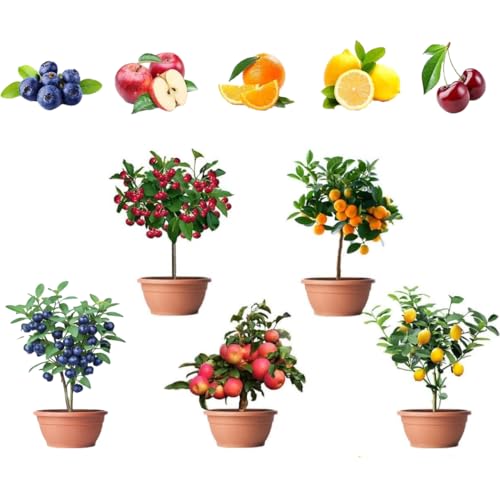
Variety Pack of 5 Fruits: Includes 40 Lemon seeds, 40 Orange seeds, 40 Apple seeds, 20 Cherry seeds, and 20 Blueberry seeds for a colorful and diverse home garden

Product Quantity: 180+ premium bonsai fruit seeds across 5 varieties; Individual packs contain 40+ apple, 40+ lemon, 40+ orange, 20+ blueberry, and 40+ cherry seeds; Perfect for starting a diverse miniature orchard

4 kinds of the most popular fruits, individually packaged, 50pcs Lemon seeds 50pcs Cherry seeds 50pcs Orange seeds 50pcs Apple seeds Fresh seeds, all fruit seeds are packed in tear and moisture resistant zipper sealed bags for your long term storage.
Local Nurseries and Garden Centers
Local nurseries and garden centers provide a hands-on experience. You can inspect trees for health and vigor. Knowledgeable staff often offer guidance on tree selection based on your specific climate and soil conditions. Look for well-established nurseries that specialize in fruit trees, as they usually stock a variety of types, including apple, peach, and citrus trees. Many of these establishments also host events, workshops, or classes to help you learn proper tree care.
Online Retailers
Online retailers offer a broad selection of mature fruit trees, often delivering straight to your home. Reputable sites ensure quality and provide detailed descriptions of each tree variety. Popular online options include established garden centers and specialty nurseries, like FastGrowingTrees.com or Stark Brother’s Nursery. While shopping online, check customer reviews and shipping policies. Ensure the tree’s age and health status are documented. Confirm that the retailer provides optimal care instructions upon delivery to help your new tree thrive.
Auctions and Trader Marketplaces
Auctions and trader marketplaces can uncover unique and rare types of mature fruit trees. Platforms like Craigslist or local Facebook groups often feature listings from individual sellers. When considering purchases through these channels, inspect the trees closely. Ask sellers about the tree’s history, health, and care routine. Be cautious and aware of potential scam listings; opting for communities with established member reputations enhances your purchasing experience.
With these resources, you can confidently choose mature fruit trees that flourish in your garden, providing both beauty and bountiful harvests.
Factors to Consider When Purchasing
Understanding key factors can significantly enhance your experience when purchasing mature fruit trees. Making informed decisions ensures a successful and satisfying gardening journey.
Recommended Products

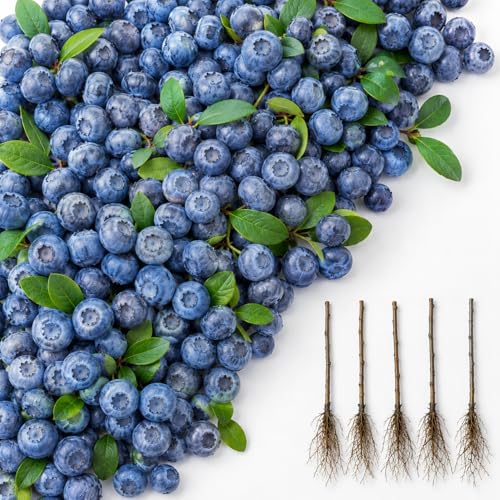
🍇 Live Fruit-Bearing Blueberry Plants – Receive one healthy, rooted blueberry tree seedling ready to transplant into your garden, raised bed, or patio container.

🍇 Live Fruit-Bearing Blueberry Plants – Receive 2 healthy, rooted blueberry tree seedling ready to transplant into your garden, raised bed, or patio container.
Tree Health and Quality
Inspecting tree health is crucial. Look for indicators like vibrant leaves, sturdy branches, and a strong trunk. Avoid trees with wilting leaves, visible pests, or signs of disease, such as black spots or unusual growths. Selecting trees with a robust root system also boosts their chances for healthy growth. Ask the nursery for care and maintenance history to gauge overall quality.
- Check for vibrant leaves.
- Examine branches for sturdiness.
- Look for a strong, healthy root system.
- Evaluate for pests and diseases.
Cost and Budget
Budgeting is necessary when buying mature fruit trees. Prices can range from $50 to over $500, depending on tree type, size, and age. Research different retailers and compare prices to find the best deal. Consider any additional costs for delivery, soil amendments, or maintenance supplies. Create a detailed budget to help you stay within limits while investing in quality trees. This preparation ensures a worthwhile investment in your garden.
- Set a clear budget before shopping.
- Compare prices from various retailers.
- Factor in delivery and maintenance costs.
- Prioritize quality within your budget constraints.
Conclusion
Buying mature fruit trees can transform your backyard into a fruitful paradise. With the right choices you can enjoy fresh produce sooner while enhancing your outdoor space’s beauty.
Remember to consider your local climate and tree health when making your selection. Whether you visit a local nursery or shop online you have plenty of options to find the perfect trees for your garden.
With a little planning and care you’ll be well on your way to enjoying the rewards of your new trees. Happy planting and here’s to a bountiful harvest ahead!
Frequently Asked Questions
What are the benefits of buying mature fruit trees?
Purchasing mature fruit trees provides immediate results, as they often produce fruit within a couple of years. They enhance your garden’s appearance with a full canopy, boost property value, and offer established growth that improves stability and disease resistance.
How old are mature fruit trees?
Mature fruit trees are typically at least three years old. Their age allows for a more developed root system, which leads to quicker fruit production and greater resilience compared to younger trees.
Where can I buy mature fruit trees?
You can find mature fruit trees at local nurseries and garden centers, which offer hands-on inspection and expert advice. Reputable online retailers provide a wide selection, while auctions and trader marketplaces may have unique varieties, although due diligence is required.
What types of mature fruit trees are available?
Common varieties include apple, peach, pear, cherry, plum, fig, avocado, citrus, pomegranate, and olive trees. Each type has its own unique flavors and harvesting experiences, making it vital to choose based on your local climate.
What should I consider when purchasing mature fruit trees?
When buying mature fruit trees, consider their health by checking for vibrant leaves and strong roots. Research tree types suitable for your climate, budget for the cost, and ensure you have adequate space for the tree’s growth.
How do I care for my mature fruit trees?
To care for mature fruit trees, focus on optimal planting timing, prepare quality soil, ensure consistent watering, and practice proper pruning techniques. These steps will encourage healthy growth and fruit production in your garden.
