

Have you ever thought about growing your own fruit trees in East Texas? Imagine stepping into your backyard and picking fresh peaches or plump figs right off the branch. It’s a rewarding experience that not only enhances your garden but also provides delicious treats for your family.
In this article, you’ll discover which fruit trees thrive in the unique climate of East Texas. From citrus to berries, you’ll learn about the best varieties suited for your soil and weather conditions. By the end, you’ll have the knowledge to create a fruitful oasis in your yard, making your gardening dreams a reality.
Key Takeaways
- East Texas has a favorable climate for growing a variety of fruit trees, including peaches, figs, apples, plums, and citrus trees.
- Popular tree varieties such as ‘Elberta’ peaches and ‘Navel’ oranges thrive in the region, ensuring a diverse harvest.
- Proper soil conditions are crucial; well-drained, slightly acidic to neutral soil is ideal for optimal fruit production.
- Regular maintenance, including seasonal pruning and pest management, helps ensure healthy growth and abundant yields.
- Growing fruit trees not only provides fresh produce but also enhances your garden’s aesthetics and contributes positively to the environment.
- Home-grown fruits offer nutritional benefits, economic savings, and opportunities for educational experiences in gardening and ecology.
Overview Of Fruit Trees In East Texas
East Texas offers a favorable climate for growing various fruit trees. The region’s warm summer temperatures, mild winters, and adequate rainfall create ideal conditions for many species.
Popular Fruit Trees
- Peach Trees: These thrive well in East Texas. Select varieties like ‘Elberta’ or ‘Belle of Georgia’ for sweet, juicy fruits.
- Fig Trees: Figs love the warm climate. ‘Brown Turkey’ and ‘Celeste’ offer delicious yields.
- Apple Trees: Look for low-chill varieties such as ‘Anna’ and ‘Dorsett Golden’ for good production.
- Plum Trees: Varieties like ‘Methley’ and ‘Santa Rosa’ do well. They provide tasty fruits and require minimal maintenance.
Citrus Trees
- Orange Trees: ‘Navel’ and ‘Valencia’ thrive in East Texas. They enjoy full sun and well-drained soil.
- Lemon Trees: ‘Improved Meyer’ lemons produce sweet fruits with a rich flavor. They’re also ornamental.
Berry Bushes
- Blueberries: Highbush varieties like ‘Bluecrop’ and ‘Sharpblue’ adapt well. They need acidic soil, so consider amending your garden.
- Blackberries: Thornless varieties, such as ‘Kennebec,’ produce abundant crops. Ensure they have trellising for support.
Growing Conditions
East Texas features diverse soil types, from clay to sandy loam. Trees prefer well-drained soil and full sun exposure. Regular watering is crucial, especially during dry spells. Mulching helps retain moisture and suppress weeds.
Pests and Diseases
Monitor your trees for common pests like aphids and spider mites. Effective treatments include insecticidal soap or neem oil. Proper pruning and plant spacing promote good air circulation, reducing the risk of fungal diseases.
- Spring: Fertilize with a balanced fertilizer. Prune to shape trees and remove damaged limbs.
- Summer: Water consistently, especially during droughts. Thin fruits if they are overcrowded to ensure better quality.
- Fall: Prepare trees for winter. Add mulch around the base to protect roots from cold temperatures.
By choosing the right varieties and following care guidelines, you can enjoy a bountiful harvest from your fruit trees in East Texas.
Popular Fruit Trees In East Texas
East Texas boasts a diverse range of fruit trees, enabling you to enjoy a variety of tastes right from your garden. Discover which trees thrive in this region and how to care for them effectively.
Recommended Products


For sale is one Clementine Mandarin tree that is approximately 2-5 inches tall and shipped in a pot
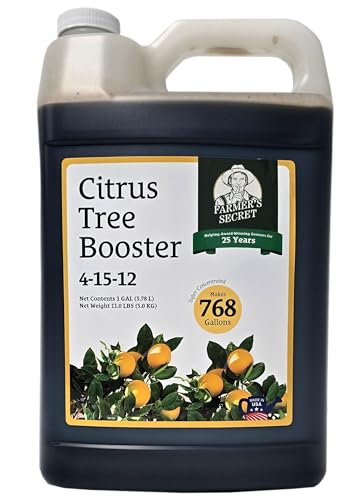
Let our professionally formulated plant food help your citrus tree grow healthy, strong AND abundantly producing
Citrus Trees
Citrus trees flourish in East Texas due to the warm climate. Options include:
- Orange Trees: Sweet varieties like ‘Navel’ and ‘Valencia’ produce juicy fruits.
- Lemon Trees: ‘Eureka’ and ‘Lisbon’ lemons provide zest for cooking and baking.
- Grapefruit Trees: Varieties like ‘Ruby Red’ offer a delightful balance of sweet and sour flavors.
Ensure adequate sunlight and well-drained soil for optimal growth. Water these trees regularly, especially during dry spells, but avoid overwatering.
Stone Fruit Trees
Stone fruit trees thrive in East Texas, producing beloved fruits with a pit inside. Popular options include:
- Peach Trees: Varieties like ‘Texas Early’ and ‘Loring’ yield sweet, juicy peaches.
- Plum Trees: ‘Methley’ and ‘Santa Rosa’ plums are tasty options.
- Cherry Trees: Consider ‘Bing’ and ‘Sweetheart’ for delicious cherries.
Plant these trees where they receive full sun and require regular pruning to promote healthy branches and fruit production.
Pome Fruit Trees
Pome fruit trees, with their distinctive core, also flourish in East Texas. Key varieties include:
- Apple Trees: ‘Gala’ and ‘Fuji’ apples are popular for their crisp texture and sweetness.
- Pear Trees: ‘Bartlett’ and ‘Kieffer’ pears thrive in this area and produce juicy fruits.
These trees prefer slightly acidic, well-draining soil. Regular watering helps establish strong roots, and winter chilling hours aid in fruit production, so choose varieties suited to your location.
Growing Conditions For Fruit Trees
Growing fruit trees in East Texas requires attention to specific conditions, including soil quality and climate. Understanding these factors ensures robust trees and a fruitful harvest.
Recommended Products

Enriched with Organic Fertilizer – This lemon tree fertilizer provides nutrients for up to 6 months, so your citrus trees stay healthy and productive with minimal upkeep.

100% Natural: Expertly hand-blended with premium ingredients for potted citrus trees, ensuring your trees receive the purest, chemical-free nutrients. Contains no artificial additives.

100% Natural: Custom blend for your indoor potted banana trees
Soil Requirements
Soil quality significantly impacts fruit tree growth. Well-drained loamy soil works best, allowing roots to access nutrients while preventing waterlogging. To improve soil structure, mix in organic matter like compost or well-rotted manure. This addition boosts fertility and moisture retention.
Check your soil’s pH level before planting. Most fruit trees thrive in slightly acidic to neutral conditions, ideally between 6.0 and 7.0. You can amend your soil with lime to raise pH or sulfur to lower it if necessary.
Consider the drainage of your planting site. If your area retains excess water, raised beds can enhance drainage. For existing trees, avoid water pooling around the base by mulching to promote evaporation.
Climate Considerations
East Texas features a humid subtropical climate with hot summers and mild winters. Fruit trees benefit from full sun exposure, needing at least six to eight hours of sunlight daily. Citrus trees, in particular, demand more sun for optimal fruit production.
Temperature is also crucial. Most fruit trees require a chilling period during winter. For example, apples and pears thrive with 600 to 1,000 chilling hours below 45°F. Choosing varieties suited for your climate zone enhances fruit quality and yield.
Watch out for late frosts in spring that can damage blossoms. Utilize protective measures like row covers or planting in a sheltered location to reduce frost risk. This vigilance ensures a successful growing season for your trees.
Maintenance Tips For Fruit Trees
Maintaining fruit trees in East Texas involves regular care to ensure healthy growth and abundant harvests. Here are some essential practices to keep your trees thriving.
Recommended Products

LONG-LASTING SHARPNESS: Japanese SK5 bypass blade with titanium coating is tested through 5,000 cuts to maintain a sharp edge and deliver clean, consistent cuts on live stems and branches

Reduce Hand Strain: These micro tip snips are made to reduces hand fatigue which makes them great for those with arthritis, carpal tunnel, hand or wrist issues; Comfortable “grip” handles will make it easy to work for long-time use without making you feel hand pain

DUAL CUTTING POWER: VERSATILE PRUNING COMBO --- With both Pruning Shears and Pruning Snip, this combo delivers unmatched versatility. Whether you're delicately trimming flowers and shrubs, tackling thicker tree branches, or tending to your vegetable and fruit garden, our combo pack excels in all areas. They're also perfect for landscaping projects and maintaining the health and appearance of indoor plants. With this pack, you have a versatile tool that simplifies your gardening tasks.
Pruning Techniques
Prune fruit trees annually to promote healthy growth and fruit production. Focus on these steps:
- Timing: Prune in late winter before new growth begins. This timing encourages strong shoots.
- Tools: Use clean, sharp pruning shears to make precise cuts. Clean tools minimize disease risks.
- Technique: Remove dead or damaged branches. Cut open the center to enhance sunlight and air circulation.
- Shape: Aim for an open-center structure. This shape supports even sunlight exposure for all branches.
Pest Management
Effective pest management protects your fruit trees from damage. Implement these strategies:
- Observation: Regularly inspect trees for signs of pests, such as discolored leaves or visible insects.
- Natural Predators: Encourage beneficial insects like ladybugs to control harmful pests naturally.
- Organic Treatments: Use neem oil or insecticidal soap to treat infested areas. Apply these treatments during the cooler parts of the day to reduce harm to beneficial insects.
- Preventive Measures: Clear fallen leaves and debris around the base of the trees. This practice limits habitats for pests.
Engaging in consistent maintenance ensures fruitful trees in your yard. Follow these tips for a successful growing season.
Benefits Of Growing Fruit Trees
Growing fruit trees in East Texas offers numerous advantages. Enjoying fresh, organic fruits from your own backyard stands out as a significant benefit. This experience not only enhances your diet but also provides a sense of accomplishment.
Health and Nutrition
Fresh fruits from your garden supply essential nutrients. They offer vitamins, minerals, and antioxidants that promote well-being. For example, peaches are rich in vitamins A and C, while blueberries provide high levels of antioxidants. Incorporating these fruits into your meals boosts your health naturally.
Environmental Impact
Fruit trees contribute positively to the environment. Trees improve air quality by absorbing carbon dioxide and releasing oxygen. Moreover, they provide habitats for various wildlife, promoting biodiversity. By planting fruit trees, you help create a balanced ecosystem right in your yard.
Aesthetic Appeal
Fruit trees add beauty to your landscape. Their blooms and seasonal fruits create visual interest throughout the year. Cherry blossoms in spring and vibrant oranges in fall enhance the overall charm of your outdoor space. This natural beauty can also increase your home’s curb appeal.
Economic Savings
Growing your own fruit trees can lead to significant savings. Purchasing fresh fruits regularly can add up, but cultivating them at home reduces those costs. For instance, a mature peach tree can produce dozens of fruits each season, minimizing grocery bills.
Educational Opportunities
Planting and caring for fruit trees provides valuable learning experiences. It teaches you about horticulture, ecology, and nutrition. Children and adults alike can develop new skills through hands-on gardening activities, fostering a connection to nature.
Seasonal Enjoyment
Harvesting fruit from your own trees yields satisfaction and joy. The anticipation of picking ripe fruits brings excitement through each season. Celebrating harvest time with family and friends creates lasting memories, turning garden activities into cherished traditions.
Engaging in these benefits makes the endeavor of cultivating fruit trees rewarding, particularly in the fruitful climate of East Texas.
Conclusion
Growing fruit trees in East Texas is more than just a gardening project; it’s a delightful journey filled with fresh flavors and cherished moments. With the right varieties and care, you can transform your backyard into a fruitful oasis.
Remember to consider soil quality and sunlight exposure to ensure your trees thrive. Regular maintenance and pest management will keep your trees healthy and productive.
As you nurture your fruit trees, you’ll not only enjoy the harvest but also create lasting memories with family and friends. So grab your gardening tools and get started on this rewarding adventure. Happy gardening!
Frequently Asked Questions
What are the benefits of growing fruit trees in East Texas?
Growing fruit trees in East Texas allows you to enjoy fresh, organic fruits right from your backyard. This rewarding experience not only enhances your diet but also provides economic savings and promotes environmental well-being. The process of nurturing fruit trees fosters educational opportunities and can create lasting family memories.
Which fruit tree varieties thrive in East Texas?
In East Texas, popular fruit tree varieties include peaches, figs, apples, and plums. Citrus trees like sweet oranges, lemons, and grapefruits also flourish here. Additionally, berry bushes such as blueberries and blackberries offer delicious options for home gardeners.
What are the ideal growing conditions for fruit trees in East Texas?
Fruit trees in East Texas thrive in well-drained loamy soil, with good sunlight exposure and appropriate drainage. The soil should ideally be slightly acidic to neutral. Additionally, it’s important to check for sufficient chilling hours in winter to ensure fruit production.
How should I maintain my fruit trees?
Regular maintenance for fruit trees includes annual pruning, proper watering, and pest management. Pruning helps shape the trees and improve sunlight access, while observing for pests allows for early intervention. Using organic treatments and natural predators can help protect your fruit trees effectively.
What pests and diseases should I watch for with fruit trees?
Common pests affecting fruit trees in East Texas include aphids, spider mites, and fruit flies. Additionally, diseases like bacterial leaf spot and powdery mildew can pose risks. Regular monitoring and prompt treatment using natural or organic solutions are essential to maintain tree health.
What precautions should I take against late frosts in spring?
To protect your fruit trees from late spring frosts, consider using protective coverings like burlap or frost cloths during vulnerable times. Planting in sheltered areas and choosing frost-resistant varieties are also good strategies to minimize frost damage to blossoms and fruit.
