

Have you ever wondered how long it takes for a lemon tree to start bearing fruit? If you’re thinking about planting one or already have a tree in your backyard, this question is likely on your mind. Knowing what to expect can make all the difference in your gardening experience.
Key Takeaways
- Timeframe for Fruiting: Lemon trees typically start bearing fruit 1 to 5 years after planting, with Meyer lemons fruiting sooner (1-2 years) than Eureka and Lisbon varieties (3-5 years).
- Peak Production: Mature lemon trees can produce between 30 to 100 lemons annually, with peak yields occurring during the 5 to 15-year age range, particularly in spring and summer.
- Importance of Care: Proper maintenance, including adequate watering, sunlight (at least 8 hours), and regular fertilization, is crucial for maximizing fruit yield and tree health.
- Age Influence: As lemon trees age, their fruit production can decline after 15 years; however, with appropriate care, they can continue to yield some fruit beyond this period.
- Growing Conditions: Optimal growth requires well-draining, slightly acidic soil, consistent moisture, and careful pest management to boost fruit production.
Overview Of Lemon Trees
Lemon trees thrive in warm climates and require plenty of sunlight. You can grow them in your backyard or in pots. Typically, these trees reach full maturity within 3 to 5 years. Once mature, they bear fruit regularly.
Lemon trees produce fruit year-round, with peak production happening in spring and summer. Expect lemons to edible 6 to 9 months after pollination. Factors such as variety, care, and climate affect fruiting times.
Key Lemon Tree Varieties
- Eureka: Produces fruit all year, but peaks in spring.
- Lisbon: Similar to Eureka, with a robust yield throughout the year.
- Meyer: Smaller tree, sweeter lemons, bears fruit 2 to 3 years after planting.
Growing Conditions
You must provide ideal conditions for better fruit yield:
- Soil: Well-draining, slightly acidic soil enhances growth.
- Water: Consistent watering keeps the tree healthy. Avoid overwatering.
- Sunlight: At least 8 hours of sunlight daily promotes flowering and fruiting.
Maintenance Tips
Regular maintenance helps ensure a healthy lemon tree:
- Pruning: Trim dead or weak branches to encourage airflow.
- Fertilizing: Apply a balanced fertilizer every couple of months during the growing season.
- Pest Management: Look for pests like aphids or spider mites and treat promptly.
By following these guidelines, you can enjoy a bountiful harvest of lemons from your tree.
Factors Influencing Fruit Bearing
Several factors impact how long lemon trees bear fruit. Understanding these elements can enhance your gardening experience and encourage fruitful growth.
Recommended Products

Balanced Organic Nutrition – Supplies a 6‑3‑3 NPK ratio along with calcium, sulfur, iron, and zinc to foster healthy foliage, flowering, and fruit.

FOR USE ON: Use Citrus-tone organic fertilizer for all citrus trees, including lemon, lime, orange, Meyer Lemon Trees as well as for avocado & nut trees
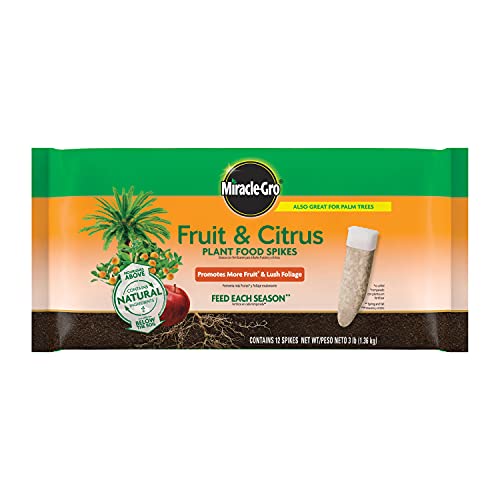
FORMULATED FOR CITRUS AND FRUIT TREES: Use these citrus fertilizer spikes on apple, orange, lemon, lime, and avocado trees; this formula is also great for feeding palm trees
Age Of The Tree
Age significantly influences a lemon tree’s fruit-bearing capability. Typically, a lemon tree starts producing fruit at around 3 to 5 years old. Younger trees may yield fewer lemons, while mature trees often produce more. For optimal fruit production, keep your tree healthy and well-maintained as it ages.
Variety Of Lemon Tree
Different lemon tree varieties affect fruit production timelines. For example, the Meyer lemon tree produces fruit quicker than the Eureka or Lisbon varieties. Meyer lemons may start bearing fruit within 1 to 2 years, while Eureka and Lisbon generally take about 3 to 5 years. Choosing the right variety for your climate can influence the harvest duration.
Growing Conditions
Growing conditions play a crucial role in fruit yield. Lemon trees thrive in well-draining, slightly acidic soil with a pH of 5.5 to 6.5. Ensure consistent watering, particularly during dry spells, and provide at least 8 hours of sunlight each day. Implementing proper fertilization every couple of months can boost growth and increase fruit production. Monitoring and managing pests proactively also contribute to a healthier tree and better harvests.
Timeline For Fruit Bearing
Understanding the timeline for fruit bearing in lemon trees helps you manage expectations and enhance your gardening experience.
Recommended Products


✅ Now shipping to California! Up for sale is an 18-36 inch tall, grafted Eureka Semi-Dwarf Lemon Tree (Citrus limon). This self-fertile variety thrives in U.S.D.A. zones 8-10 and is hardy down to 32°F.
Initial Fruit Production
Lemon trees often begin producing fruit within 1 to 5 years, depending on the variety. Meyer lemons may start bearing fruit as early as 1 to 2 years after planting. Eureka and Lisbon varieties typically take 3 to 5 years to yield their first lemons. Once the tree reaches maturity, the number of lemons produced increases significantly.
Peak Production Years
Lemon trees tend to reach peak production around 5 to 15 years of age. During this time, you can expect abundant harvests. On average, a mature lemon tree can produce 30 to 100 lemons per year, with the most significant yields occurring in late spring and summer. Proper care, including regular watering and fertilization, helps maintain peak production levels.
Decline In Production
After about 15 years, lemon trees might experience a decline in fruit production. Factors such as age, environmental conditions, and care practices influence this decline. With adequate maintenance, such as pruning and fertilizing, trees can continue to produce some fruit beyond their peak years. However, expect yields to gradually decrease, leading to smaller harvests.
Maintenance Tips For Healthy Trees
Maintaining your lemon tree promotes healthy growth and maximizes fruit yield. Adopting proper practices significantly enhances your gardening experience.
Recommended Products

Package contains 4 Pounds organic fruit and citrus fertilizer grains and is produced to avoid wasteful runoff, mess, hazards and smells

CITRUS-SPECIFIC FORMULA: Specially designed for oranges, lemons, limes, and grapefruit to support healthy foliage, strong roots, and abundant fruit production.

🌿 Balanced 10-10-10 Granular Fertilizer for Outdoor & Indoor Plants: All-purpose plant food with 10% Nitrogen, 10% Phosphorus, and 10% Potassium. Perfect for outdoor vegetable gardens, fruit trees, evergreens, shrubs, lawns, and flowers. Also great for potted plants and indoor gardening. One solution for all your plant needs!
Pruning Techniques
Pruning your lemon tree encourages robust growth and helps maintain its shape. Follow these steps:
- Timing: Prune in late winter or early spring before new growth starts.
- Tools: Use sharp, clean pruning shears to make precise cuts.
- Remove Dead or Diseased Wood: Cut away any broken, dead, or pest-infested branches to prevent disease spread.
- Thin Out: Trim overlapping branches to increase airflow and sunlight penetration, promoting better fruit production.
- Shape the Tree: Maintain an open center to allow light exposure and air circulation.
Regular pruning ensures your tree remains healthy and productive for years.
Fertilization Guidelines
Fertilizing your lemon tree provides essential nutrients for optimal growth. Implement these guidelines:
- Type of Fertilizer: Choose a slow-release, balanced fertilizer specifically formulated for citrus trees.
- Frequency: Fertilize every 6 to 8 weeks during the growing season, typically from spring to early fall.
- Amount: Follow the manufacturer’s instructions for application rates based on the tree’s age and size.
- Watering: After applying fertilizer, water the tree thoroughly to help nutrients penetrate the soil.
- Organic Options: Consider using compost or well-rotted manure as a natural alternative to chemical fertilizers.
Consistent fertilization contributes to vigorous growth and abundant fruit setups for your lemon tree.
Conclusion
Growing a lemon tree can be a rewarding experience that brings fresh fruit to your home. With the right care and conditions you can enjoy lemons year-round. Remember that patience is key as your tree matures and begins to bear fruit.
By understanding the unique timelines of different varieties you can choose the one that best fits your gardening goals. Whether you opt for a Meyer lemon tree or a more traditional variety you’ll be well on your way to a fruitful harvest. So keep nurturing your tree and soon enough you’ll be savoring the sweet and tangy flavors of homegrown lemons. Happy gardening!
Frequently Asked Questions
How long does it take for a lemon tree to produce fruit?
Most lemon trees start producing fruit within 1 to 5 years after planting, depending on the variety. Meyer lemons may bear fruit as early as 1 to 2 years, while Eureka and Lisbon typically take 3 to 5 years.
What are the best conditions for growing lemon trees?
Lemon trees thrive in warm climates with well-draining, slightly acidic soil. They require at least 8 hours of sunlight daily and should be watered consistently to promote healthy growth and fruit yield.
When is the best time for lemon trees to produce fruit?
Lemon trees produce fruit year-round, with peak production occurring in late spring and summer. This is when you can expect the highest yields of ripe lemons.
How many lemons can a mature tree produce?
Once a lemon tree is mature, typically around 5 to 15 years of age, it can yield between 30 to 100 lemons per year, especially during peak production seasons.
What maintenance do lemon trees require?
Regular maintenance for lemon trees includes pruning in late winter or early spring, fertilizing every 6 to 8 weeks during the growing season, and managing pests. This ensures healthy growth and optimal fruit production.
