

Have you ever wondered which fruit tree takes the longest to bear fruit? If you’re dreaming of a lush orchard filled with delicious fruits, you might be in for a wait. Some trees take years to mature before they reward you with their first harvest.
Key Takeaways
- Patience is Key: Fruit trees like the walnut and durian can take 4 to 10 years to bear fruit, requiring long-term commitment from growers.
- Species Matters: Different fruit tree species have varying maturation times; for example, mango trees take about 3 to 6 years, whereas olive trees take 3 to 5 years.
- Growing Conditions Impact Growth: Factors such as soil quality, sunlight, and water availability significantly influence the speed at which fruit trees mature.
- Proper Care Accelerates Growth: Regular pruning and the use of balanced fertilizers can enhance tree health and promote quicker fruit production.
- Climate Considerations: Selecting the right fruit tree species based on your local climate is crucial for successful growth and fruiting.
- Ongoing Maintenance is Essential: Consistent watering and monitoring for pests will support healthy growth and maximize fruit yield over time.
Overview of Fruit Tree Growth
Growing fruit trees requires patience and understanding of their growth patterns. You can expect different timelines for various types of trees, with some taking longer than others to bear fruit. Here’s a breakdown of factors influencing their growth.
Factors Influencing Growth Time
- Species Selection: Different species of fruit trees mature at varying rates. For example, mango trees typically take 3 to 5 years, while some walnut trees may take up to 10 years before producing nuts.
- Growing Conditions: Soil quality, sunlight, and water availability affect growth speed. Trees in well-drained, nutrient-rich soil thrive faster.
- Care Practices: Regular pruning and fertilization can accelerate growth. Applying the correct fertilizers during the growing season boosts overall tree health.
Typical Growth Times for Common Fruit Trees
| Fruit Tree | Years to Fruit Production |
|---|---|
| Apple | 3 to 5 years |
| Pear | 3 to 6 years |
| Cherry | 4 to 7 years |
| Peach | 3 to 4 years |
| Walnut | 5 to 10 years |
| Mango | 3 to 5 years |
| Avocado | 3 to 4 years |
| Pomegranate | 3 to 5 years |
- Choose the Right Location: Select a spot with ample sunlight and wind protection. This helps trees thrive.
- Water Consistently: Regular watering fosters strong root development. Avoid letting soil dry out completely.
- Fertilize Wisely: Use a balanced fertilizer that supports growth during the active growing season.
- Monitor for Pests: Keep an eye out for pests and diseases. Treat any issues quickly to prevent long-term damage.
Understanding the growth patterns of fruit trees allows you to plan accurately and nurture your orchard more effectively.
Factors Affecting Growth Rates
Several factors directly influence the growth rates of fruit trees. Understanding these elements helps you make informed decisions when planting and caring for your trees.
Recommended Products

Accurate Soil pH Testing: Dewildetradingco Soil pH Test Strips offer measurements of soil pH levels (pH 3.5-9). As an essential tool for every gardener and grower, these test strips help determine the optimal pH for various plants, such as outdoor plants, indoor plants, gardens, grass lawns, fruit trees, flowers, vegetables, and forest shrubs.

Kindly NOTE: This soil tester can not be applied to test pH value of any other liquid. If the soil is too dry the indicator will not move, and water it before testing.

KNOW BEFORE YOU GROW | Grow the healthiest, sustainable lawn and garden with the most accurate and easy to use professional soil test kit on the market
Climate and Environment
Climate plays a crucial role in tree growth. Different fruit tree species thrive in varying conditions. For instance, citrus trees prefer warm, subtropical climates, while apple trees adapt well to temperate zones.
You should assess your local climate before selecting a fruit tree. Monitor temperature extremes, seasonal rainfall, and sunlight exposure. Exposure to frost can delay growth, particularly for trees like peaches. Aim to choose species suited to your area’s average conditions for optimal growth.
Soil Quality
Soil quality directly impacts the health and growth of fruit trees. Trees require nutrient-rich, well-draining soil for optimum development. Sandy or loamy soils often provide better drainage, while clay soils may retain moisture and lead to root diseases.
Test your soil to identify its pH and nutrient content. Fruit trees commonly prefer slightly acidic to neutral soils (pH 6-7). Consider adding organic matter, such as compost, to improve soil structure and fertility. Regularly monitor soil moisture levels, as both overwatering and drought can stress trees and slow growth.
Longest Growing Fruit Trees
Certain fruit trees require years of patience before they bear fruit. Understanding their growth timelines helps you plan effectively.
Recommended Products

1. Peel the fruit directly and remove the seeds.


Durian
Durian trees take about 4 to 7 years to produce fruit. Known for their strong odor, durians thrive in tropical climates. They require consistent warm temperatures and humidity. Plant the tree in rich, well-draining soil and ensure it receives full sunlight. Regular watering and fertilization will support healthy growth, leading to a rewarding harvest eventually.
Olive Tree
Olive trees typically take 3 to 5 years to yield their first olives, though some may take longer. These trees flourish in Mediterranean climates, excelling in hot, dry summers and mild winters. Ensure well-draining, sandy soil and full sun exposure to boost growth. Pruning the trees helps improve air circulation, which ultimately enhances fruit production. With patience, enjoying homemade olive oil awaits.
Mango Tree
Mango trees require 3 to 6 years before you reach that first taste of ripe fruit. They thrive in warm, tropical conditions with plenty of sunlight. Choose a location with well-draining soil rich in organic material. Water the tree regularly, but avoid waterlogging; mango roots dislike it. Once established, a healthy mango tree produces a bountiful harvest, providing delicious fruit for years.
Care and Maintenance for Optimal Growth
Caring for your fruit trees requires attention and dedication. Implementing proper care practices promotes healthy growth and maximizes fruit yield over time.
Recommended Products

LONG-LASTING SHARPNESS: Japanese SK5 bypass blade with titanium coating is tested through 5,000 cuts to maintain a sharp edge and deliver clean, consistent cuts on live stems and branches
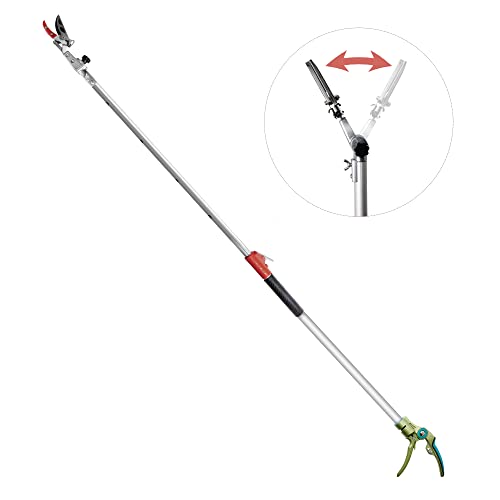
[Helpful Garden Tool] GARTOL brings to you a lightweight and extendable pruning tool to reach out to the least approachable arenas of your garden. You can conveniently get across other plants to remove the fastgrowing brambles and sting nettles without getting scratched or hurt. For gardening lovers, the telescopic pruner cutter head can can be rotated which resolves mobility issues and gives you the pleasure of trimming your garden without bending down or using a ladder to climb and cut them.

Reduce Hand Strain: These micro tip snips are made to reduces hand fatigue which makes them great for those with arthritis, carpal tunnel, hand or wrist issues; Comfortable “grip” handles will make it easy to work for long-time use without making you feel hand pain
Pruning Techniques
Pruning helps shape the tree and encourages fruitful growth. Start with these steps:
- Choose the Right Time: Prune during late winter or early spring, while the tree is still dormant.
- Use Clean Tools: Sanitize your pruning shears to prevent disease spread.
- Remove Dead or Diseased Wood: Cut away any branches that appear damaged or unhealthy. This improves airflow and sunlight penetration.
- Cut Back for Shape: Trim excess growth to maintain a strong structure. Focus on branches that cross each other or grow inward.
- Limit Your Cuts: Avoid over-pruning, which can stress the tree. Aim to remove no more than 20% of the tree’s canopy in a single year.
Pruning varies by species, so research specific needs for the tree types you cultivate.
Fertilization Practices
Proper fertilization contributes significantly to tree health and fruit production. Follow these essentials:
- Soil Testing: Conduct a soil test to understand nutrient levels and pH. This information guides your fertilization plan.
- Choose the Right Fertilizer: Select a balanced fertilizer, such as a 10-10-10 NPK (nitrogen-phosphorus-potassium) blend. Specific needs may vary by tree type.
- Apply in Spring: Fertilize at the beginning of the growing season before new growth appears.
- Follow Instructions: Adhere to the manufacturer’s guidelines regarding application rates. Over-fertilizing can harm the tree.
- Water After Application: Water the ground thoroughly after fertilizing. This helps distribute nutrients to the root zone.
Regular fertilization together with soil care helps maintain healthy and productive trees.
Conclusion
Growing fruit trees can be a rewarding journey filled with anticipation. While some trees may take longer to bear fruit than others patience is key. Each tree you nurture brings you one step closer to enjoying the fruits of your labor.
By understanding the specific needs of your chosen species and providing the right care you’ll set yourself up for success. Remember that every season brings new opportunities for growth and learning. As you embark on this horticultural adventure embrace the process and enjoy the beauty of watching your trees flourish over time.
Frequently Asked Questions
How long does it take for fruit trees to bear fruit?
Most fruit trees take several years to produce fruit. For example, apple trees can take 3 to 6 years, while olives can take up to 10 years or more. Patience is key when growing any fruit tree, as maturity times vary by species.
Which fruit trees have the longest wait times?
Fruit trees with the longest wait times include the durian (4 to 8 years), olive tree (3 to 12 years), and mango tree (3 to 6 years). These trees require specific conditions and care for optimal growth before bearing fruit.
What factors affect the growth time of fruit trees?
Several factors influence growth times, including species selection, climate, and soil quality. Proper care practices, such as watering, fertilizing, and pest monitoring, also play a crucial role in tree development and fruit production.
How can I choose the right location for planting fruit trees?
Select a location with plenty of sunlight, well-draining soil, and protection from strong winds. Assess local climate conditions to ensure the chosen fruit tree species is compatible with your environment for successful growth.
What are some essential care practices for fruit trees?
Key care practices include regular watering, appropriate fertilization, and timely pruning. Conduct soil tests to choose the right fertilizer and ensure healthy growth. Prune trees in late winter or early spring to maintain shape and improve airflow.
