

Have you been eagerly waiting for your lime tree to bear fruit? You’re not alone. Many gardeners share the excitement of nurturing their plants, only to wonder when they’ll finally get to enjoy those juicy limes.
Key Takeaways
- Understanding Lime Trees: Lime trees thrive in warm climates with well-draining soil, requiring regular watering and sunlight for optimal growth.
- Growth Stages: Lime trees take 3-4 years to flower and 6-9 months to produce mature fruit, progressing through seed germination, seedling, and vegetative stages.
- Influencing Factors: The age of the tree, variety, climate conditions, and overall care significantly impact when a lime tree will bear fruit.
- Encouragement Tips: Pruning, regular fertilization, consistent watering, and hand-pollination can enhance fruit production in lime trees.
- Common Challenges: Pests, diseases, and environmental stressors can hinder fruit production; proper care and monitoring are essential to mitigate these issues.
Understanding Lime Trees
Lime trees, part of the citrus family, thrive in environments with warm temperatures and plenty of sunlight. They prefer well-draining soil and require regular watering, particularly during dry spells. Knowing these basics helps you care for your lime tree.
Types of Lime Trees
Several lime tree varieties exist, each producing different flavors and fruits. Common types include:
- Persian Lime: This variety yields large, seedless limes. It’s the most popular lime for commercial use.
- Key Lime: Smaller and more aromatic, Key limes are famous for their distinct taste. These are often used in desserts.
- Kaffir Lime: Known for its fragrant leaves, this type adds a unique flavor to many dishes.
Growth Stages
Lime trees progress through several growth stages before producing fruit. Understanding these stages enhances your expectations:
- Seed Germination: When planted from seed, limes typically germinate within 2-3 weeks.
- Seedling Stage: In 4-6 months, your seedling should grow to about 6 inches tall.
- Vegetative Growth: This stage lasts a year or two, with branches and leaves developing.
- Flowering: After 3-4 years, your tree begins to flower.
- Fruit Development: Limes take 6-9 months to mature after flowering.
Factors Influencing Fruit Bearing
Multiple factors affect when your lime tree bears fruit. Keep these in mind:
- Age: Trees usually need 3-4 years after planting to produce fruit.
- Variety: Different varieties bear fruit at varying ages.
- Climate: Temperature and sunlight significantly influence growth and fruiting.
- Care: Proper fertilization and pest management promote healthy fruit production.
Tips for Encouraging Fruit Production
Enhance your lime tree’s chances of producing fruit with these practical tips:
- Pruning: Regularly prune for better airflow and light penetration.
- Fertilizing: Use a balanced fertilizer during the growing season for enhanced nutrition.
- Watering: Consistently water, especially during dry spells, but avoid waterlogging.
- Pollination: Hand-pollinate flowers if necessary, especially in low-pollination environments.
Monitoring these aspects makes a difference in your lime tree’s health and fruit yield. Your patience and care will reward you with fresh limes in due time.
Factors Affecting Fruit Production
Several factors influence how and when your lime tree produces fruit. Understanding these elements can help maximize the yield and quality of your harvest.
Recommended Products

🍋 EXPLOSIVE HARVEST: GardenWise ignites a remarkable yield boost. Its scientific blend, featuring 6% nitrogen for growth, 4% phosphorus for flowering, and 6% potassium for fruit quality, culminates in an abundance of flavorful, aromatic fruits. This is more than growth; it's a nutrient-powered revolution in your citrus yield.

Balanced Organic Nutrition – Supplies a 6‑3‑3 NPK ratio along with calcium, sulfur, iron, and zinc to foster healthy foliage, flowering, and fruit.

Made for Lemon & Citrus Trees – Formulated to support healthy growth in lemon and citrus plants.
Age of the Lime Tree
Age significantly impacts fruiting. Lime trees typically bear fruit after three to four years of growth. Younger trees focus on establishing roots and foliage, delaying fruit production. Older trees, generally over five years old, produce more fruit. Regular care enhances growth and can speed up the time to fruiting.
Climate and Weather Conditions
Climate plays a crucial role in fruit development. Lime trees thrive in warm temperatures between 70°F and 100°F (21°C to 38°C). Frost can damage blossoms and young fruits, so ensure your tree is protected during colder months. Consistent rainfall or irrigation is essential but avoid waterlogged conditions. Dry spells can stunt production, while overly wet conditions can foster disease.
Soil Quality and Nutrition
Soil quality affects growth and fruiting. Lime trees prefer well-draining, sandy loam or loamy soil. The pH should ideally range between 5.5 and 6.5. Nutrient-rich soil enhances production, so regularly test and amend your soil with organic matter or fertilizer high in nitrogen and potassium. Fertilizing during the growing season promotes healthy foliage and encourages fruit development.
Growing Tips for Healthy Lime Trees
Healthy lime trees require specific care to thrive and produce fruit. Focusing on proper watering and fertilization lays the foundation for success.
Recommended Products
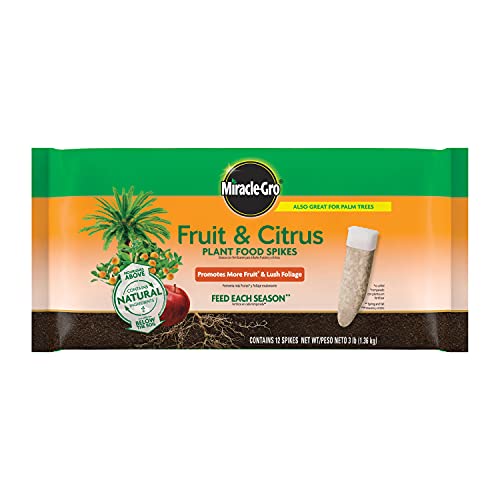
FORMULATED FOR CITRUS AND FRUIT TREES: Use these citrus fertilizer spikes on apple, orange, lemon, lime, and avocado trees; this formula is also great for feeding palm trees

Let our professionally formulated plant food help your citrus tree grow healthy, strong AND abundantly producing

Package contains 4 Pounds organic fruit and citrus fertilizer grains and is produced to avoid wasteful runoff, mess, hazards and smells
Proper Watering Techniques
Watering lime trees correctly promotes strong growth. Ensure the soil remains consistently moist but never soggy. Check the top inch of soil; if it feels dry, it’s time to water. Use the following techniques:
- Deep Watering: Water deeply once every 1-2 weeks. This encourages deep root growth.
- Morning Watering: Water in the morning to reduce evaporation, allowing trees to absorb moisture throughout the day.
- Draining Soil: Select a well-draining pot or garden bed. Lime trees dislike standing water as it promotes root rot.
Best Fertilizers for Lime Trees
Fertilizing lime trees can significantly increase fruit yield. Use a balanced fertilizer designed for fruit trees. Here are some tips:
- Frequency: Apply fertilizer every 6-8 weeks during the growing season. Start in early spring and continue until late summer.
- Type of Fertilizer: Look for fertilizers rich in nitrogen, phosphorus, and potassium. For example, a 10-10-10 NPK formula supports overall growth.
- Organic Options: Consider organic choices like compost or well-rotted manure. These improve soil health while providing essential nutrients.
These tips help ensure your lime tree remains healthy and productive, paving the way for an enjoyable harvest.
Common Problems and Solutions
Lime trees can face several challenges that affect their ability to bear fruit. Identifying and addressing these issues helps ensure a healthy and productive tree.
Recommended Products

READY-TO-USE CONTACT SPRAY: No mixing required. Thoroughly spray insecticide on all plant parts, including the underside of leaves. Pests must be sprayed directly to achieve control
GENTLE ON MOST PLANTS - This aphid spray is ideal for use on flowers, herbs, vegetables, houseplants, lawn, tree, shrubs, and more

Control diseases and insects in your garden with Captain Jack’s Fruit Tree Spray Concentrate! Use on a variety of listed fruits, nuts and citrus plants.
Pests and Diseases
Pests and diseases can significantly impact your lime tree. Common pests include aphids, spider mites, and whiteflies. These insects suck sap from the leaves and weaken the tree, leading to stunted growth and reduced fruit production.
To combat these pests:
- Inspect Regularly: Look for signs of pests on leaves and branches.
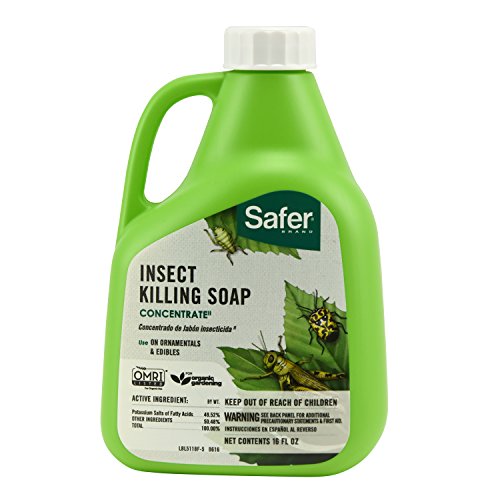
- Use Insecticidal Soap: Spray infested areas to eliminate pests without harming beneficial insects.
- Encourage Beneficial Insects: Ladybugs and lacewings feed on aphids, helping to control their populations.
Diseases such as root rot and citrus greening also pose threats. Root rot thrives in overly wet conditions, while citrus greening causes yellowing leaves and stunted growth.
To prevent diseases:
- Ensure Proper Drainage: Use well-draining soil to avoid waterlogged roots.
- Avoid Overwatering: Water only when the top inch of soil feels dry.
- Monitor Trees for Symptoms: Act quickly to remove affected branches and seek advice from local gardening experts.
Environmental Stressors
Environmental stress can affect your lime tree’s productivity. Factors such as temperature extremes, excessive wind, and poor soil conditions contribute to stress.
To mitigate these stressors:
- Protect from Frost: Cover the tree during cold weather or move potted trees indoors.
- Provide Windbreaks: Use fences or shrubs to shield young trees from strong winds.
- Test and Amend Soil: Ensure the soil is pH-balanced (around 6-7) and rich in nutrients by testing it regularly and adding organic matter as needed.
Consistent attention to these problems enables you to enjoy healthy lime trees and abundant fruit.
Conclusion
Waiting for your lime tree to bear fruit can be a thrilling journey filled with hope and care. By nurturing your tree with the right conditions and attention you’ll pave the way for a fruitful harvest.
Remember that patience is key as younger trees take time to mature. Keep an eye on their needs and address any challenges that pop up along the way. With the right approach your lime tree will reward your efforts with delicious limes to enjoy.
So keep tending to your green companion and savor the excitement of watching it grow. Your efforts will surely pay off in the end.
Frequently Asked Questions
What types of lime trees are mentioned in the article?
The article discusses three main varieties of lime trees: Persian limes, Key limes, and Kaffir limes. Each variety offers unique flavors and culinary uses, making them popular among gardeners and chefs alike.
How long does it take for a lime tree to bear fruit?
Younger lime trees typically take about three to four years to start producing fruit. Older trees tend to bear fruit more consistently and in greater quantities.
What soil conditions do lime trees prefer?
Lime trees thrive in well-draining, nutrient-rich soil with a slightly acidic to neutral pH. Proper soil conditions help promote healthy growth and fruit production.
How often should lime trees be watered?
Lime trees should be deeply watered every 1-2 weeks, preferably in the morning. This practice promotes strong growth while preventing soggy soil, which can harm the roots.
What common pests affect lime trees?
Common pests include aphids and spider mites. Regular inspections and management practices like using insecticidal soap can help control these pests and protect fruit production.
What are some tips for fertilizing lime trees?
Use a balanced fertilizer rich in nitrogen, phosphorus, and potassium every 6-8 weeks during the growing season. Organic options like compost can also enhance soil health and support lime tree growth.
How do temperature extremes impact lime trees?
Lime trees are sensitive to temperature changes. Protecting them from frost and providing windbreaks can help mitigate stress caused by temperature extremes.
What diseases should lime tree growers watch for?
Lime trees can suffer from root rot and citrus greening. Ensuring proper drainage and avoiding overwatering are key preventive measures to maintain tree health.
How can I encourage my lime tree to produce more fruit?
To boost fruit production, focus on proper care practices such as regular pruning, consistent watering, and appropriate fertilization. Hand-pollination may also help in some cases.
Why is soil pH important for lime trees?
Soil pH affects nutrient availability and overall health. Lime trees prefer a slightly acidic to neutral pH range. Monitoring pH helps ensure optimal growth and fruit yield.
