

Have you ever reached for a juicy apple only to find a spider lurking nearby? You’re not alone. Many fruit tree owners face the challenge of unwanted spiders making their homes among the branches. While spiders can be beneficial in controlling pests, they can also be a nuisance, especially when you’re trying to enjoy your harvest.
Key Takeaways
- Understand Spider Types: Familiarize yourself with common spiders like garden spiders, wolf spiders, orb-weavers, and jumping spiders that inhabit fruit trees and their roles in pest control.
- Natural Spider Control: Use natural methods such as attracting birds and beneficial insects, and employing essential oils like peppermint and tea tree to effectively deter spiders.
- Chemical Solutions: When necessary, consider insecticidal soaps and chemical pesticides to eliminate unwanted spider populations while following safety guidelines.
- Preventive Maintenance: Regularly prune trees, clear debris, maintain soil health, and control weeds to reduce spider habitats and potential infestations.
- Weekly Inspections: Conduct weekly checks for spider webs and egg sacs to enable early detection and management of spider populations.
- Community Involvement: Coordinate efforts with neighbors to enhance spider control and monitoring, fostering a healthier ecosystem for your fruit trees.
Understanding Spiders on Fruit Trees
Spiders inhabit fruit trees for various reasons, such as seeking shelter or hunting for prey. While some spiders benefit your garden by controlling pests, others may be unwelcome during harvest time.
Common Types of Spiders Found
- Garden Spider: Recognizable by its large, intricate webs, the garden spider preys on numerous garden pests.
- Wolf Spider: This ground-dwelling spider hunts without building webs. You might see them scurrying across the ground near your trees.
- Orb-Weaver Spider: Known for their circular webs, orb-weaver spiders capture flying insects, helping reduce pests on your trees.
- Jumping Spider: These small, agile spiders don’t spin webs but pounce on prey, contributing to pest control around fruit trees.
Impact on Fruit Trees
Spiders can affect fruit trees in several ways. Beneficial spiders consume harmful pests like aphids and caterpillars, promoting healthier trees. However, their presence can deter birds and other beneficial insects that help with pollination and pest management. In some cases, webs may cover fruit and branches, making harvesting difficult. Understanding the balance between beneficial and harmful spiders helps you maintain a healthy fruit tree environment.
Natural Methods to Get Rid of Spiders
Natural methods can effectively reduce spider populations on fruit trees without harming the ecosystem. Here are some strategies you can employ to keep spiders at bay.
Encouraging Natural Predators
Encouraging natural predators can help manage spider populations. Birds, such as chickadees and wrens, eat spiders and their eggs. To attract these birds:
- Hang birdhouses near your fruit trees.
- Offer bird feeders stocked with seeds.
- Plant native shrubs and flowers to create shelter.
Additionally, beneficial insects like ladybugs and lacewings can deter spiders. You can invite these insects by planting nectar-rich flowers, such as yarrow or dill.
Using Essential Oils
Essential oils serve as a natural spider repellent. Certain aromas deter spiders while being safe for your fruit trees. Some effective essential oils include:
- Peppermint Oil: Mix 10-15 drops with water in a spray bottle. Spray around the tree and on the leaves.
- Tea Tree Oil: Combine 10 drops with water, and apply it similarly.
- Lavender Oil: Mix it with water and use it as a gentle mist.
Apply these sprays every few days, especially after rainfall, to maintain effectiveness. Make sure to avoid over-saturating your trees, as excessive moisture can harm them.
Chemical Solutions for Spider Control
Using chemical solutions for spider control provides effective results for managing unwanted spider populations on fruit trees. These solutions include insecticidal soaps and chemical pesticides, which can eliminate spiders while minimizing harm to your plants.
Recommended Products
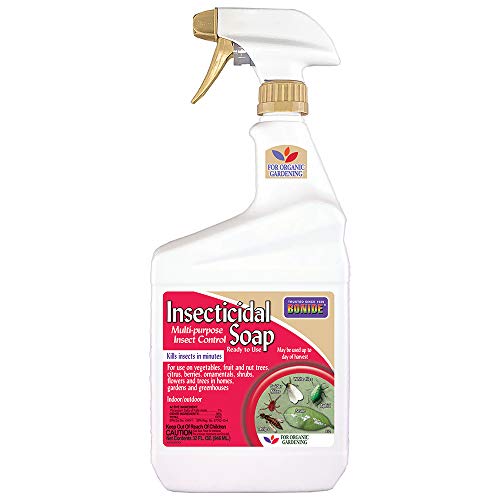
Captain Jack's Insecticidal Super Soap controls species of adelgid, ant, aphid, borer, caterpillar, spider mite, cricket, chinch bug, weevil, fly, thrip, and more

READY-TO-USE CONTACT SPRAY: No mixing required. Thoroughly spray insecticide on all plant parts, including the underside of leaves. Pests must be sprayed directly to achieve control

PEST DEFENSE - Insecticidal Super Soap controls species of adelgid, ant, aphid, borer, caterpillar, spider mite, cricket, chinch bug, weevil, fly, thrip, & more.
Insecticidal Soaps
Insecticidal soaps serve as a targeted approach to control spiders. These products consist of natural fats and oils that disrupt the cell membranes of soft-bodied insects and spiders, leading to dehydration. To use insecticidal soaps effectively:
- Select the Right Product: Look for insecticidal soaps labeled specifically for spider control.
- Dilute: Mix the soap with water as per the instructions on the product label.
- Spray: Apply the solution directly on affected areas of the fruit tree, coating both the leaves and any visible spiders.
- Timing: Apply in the early morning or late evening to avoid direct sunlight, which can reduce effectiveness.
Insecticidal soaps work quickly, typically within a few hours.
Chemical Pesticides
Chemical pesticides provide stronger measures for spider control and are best used when spider populations are high. Various formulations exist, including sprays and granules designed for specific pests. Here’s how to apply chemical pesticides safely:
- Research Options: Choose a pesticide effective against spiders and safe for your fruit trees.
- Follow Label Instructions: Carefully read the label for specific application rates and timing.
- Apply Evenly: Spray the pesticide evenly across your trees, focusing on areas with visible spider activity.
- Ventilation: Ensure proper ventilation during application by using it outdoors on calm days to minimize drift.
Chemical pesticides can be potent and should be applied judiciously, respecting the recommended guidelines to protect beneficial insects and your fruit crops. Check local regulations, as some pesticides may require specific precautions or certifications.
Preventive Measures for Future Infestations
Keeping spiders away from fruit trees requires consistent efforts and vigilance. Implementing proper tree maintenance and regular monitoring can significantly reduce spider populations.
Proper Tree Maintenance
- Prune Regularly: Trim branches to improve air circulation. Good airflow deters damp conditions that attract spiders.
- Remove Debris: Clear fallen leaves, branches, or fruit around the base of the tree. Debris provides hiding spots for spiders and their prey.
- Maintain Soil Health: Fertilize and mulch properly to encourage healthy root systems. Healthy trees resist pest infestations better.
- Control Weeds: Eliminate weeds around the fruit tree. Weeds often harbor pests that attract spiders.
- Use Companion Planting: Grow plants that repel spiders near your trees, like Marigold. Such plants can create a natural barrier against unwanted pests.
- Inspect Trees Weekly: Check for spider webs and pests regularly. Early detection helps in managing populations before they multiply.
- Look for Eggs: Identify spider egg sacs on branches or leaves. Remove them promptly to prevent new infestations.
- Note Changes: Keep track of any increases in spider activity. Adjust your maintenance routine based on these observations.
- Apply Natural Repellents: Reapply essential oils every few weeks. This practice helps maintain a spider-deterring environment consistently.
- Involve Neighbors: Coordinate with nearby fruit tree owners. A community approach can enhance the effectiveness of monitoring and maintenance efforts.
Conclusion
Managing spider populations on your fruit trees doesn’t have to be a daunting task. By understanding their role in your garden and implementing a mix of natural and chemical strategies, you can keep unwanted spiders at bay while still benefiting from their pest control abilities.
Regular maintenance and preventive measures can go a long way in creating an environment that’s less inviting for spiders. With a little effort and attention, you’ll be able to enjoy a fruitful harvest without the hassle of spider webs. Happy gardening and here’s to a bountiful season ahead!
Frequently Asked Questions
What types of spiders are commonly found on fruit trees?
Common types of spiders that inhabit fruit trees include garden spiders, wolf spiders, orb-weaver spiders, and jumping spiders. Each of these species plays a role in pest control, helping to manage harmful insects in the environment.
Why do spiders inhabit fruit trees?
Spiders are typically drawn to fruit trees as they seek shelter and hunt for prey. While they can assist in pest control, their presence can also be inconvenient for fruit tree owners during harvest.
How can I manage spider populations naturally?
To manage spider populations naturally, encourage beneficial predators like birds and insects by installing birdhouses or planting native flowers. Using essential oils, such as peppermint or tea tree, as repellents can also help keep spider numbers down.
Are there chemical solutions for spider control?
Yes, chemical solutions like insecticidal soaps can effectively manage unwanted spider populations. It’s important to follow product guidelines for dilution and application to minimize harm to the environment while targeting spiders specifically.
What preventive measures can I take against spider infestations?
Regular tree maintenance is key to preventing spider infestations. This includes pruning for better airflow, removing debris, maintaining soil health, and using marigolds as companion plants. Regular inspections also help catch potential problems early.
