


The location where you plant your almond trees can have a big impact on the nut yield. Factors like soil and pest control play a role in determining the best spot for your orchard.
Knowing these key elements will help you get the most out of your almond trees and ensure a good nut harvest.
Key Takeaways
- Almond trees thrive in well-draining, sandy loam soils with a pH level between 6.0 and 7.5.
- Almond trees require at least six hours of direct sunlight daily and prefer a Mediterranean climate with warm summers and mild winters.
- Regular watering, proper drainage, and monitoring soil moisture levels are essential for almond tree growth.
- Proper spacing, pollination by honeybees, and integrated pest and disease management strategies are crucial for optimal nut yield.
Soil Requirements for Almond Trees
To ensure optimal growth and nut yield, almond trees thrive in well-draining, sandy loam soils with a pH level between 6.0 and 7.5. This specific soil type provides the necessary environment for the nutrient composition that almond trees require to produce high-quality nuts.
Almond trees need a soil rich in nutrients such as phosphorus, potassium, and calcium for healthy development and nut production. The pH level of the soil is crucial as it affects the availability of these nutrients to the trees. Soils with pH levels outside the recommended range may hinder the trees' ability to absorb essential nutrients, impacting their growth and nut yield.
Therefore, it's essential to test and adjust the soil pH to create an optimal environment for almond trees to thrive and produce abundant, high-quality nuts.
Sunlight and Temperature Needs
As your almond trees soak up the nutrient-rich soil, it's crucial to consider their sunlight and temperature needs to ensure robust growth and a bountiful nut yield. Almond trees thrive in full sunlight, requiring at least six hours of direct sunlight daily. When planting, ensure they are positioned in a location that receives ample sunlight throughout the day. Additionally, almond trees prefer a Mediterranean climate with warm, dry summers and mild, wet winters. They are sensitive to late frosts, so avoid planting them in low-lying areas where cold air settles. To further support their growth, proper pruning practices and nutrient management are essential. By maintaining a balance of sunlight, temperature, and care, you can optimize your almond trees' potential for abundant nut production.
| Sunlight | Temperature |
|---|---|
| Full sunlight for 6+ hours | Mediterranean climate |
Watering and Drainage Considerations
Considering the water needs of your almond trees is essential for ensuring healthy growth and optimal nut production. Proper irrigation methods and monitoring soil moisture levels are crucial.
Almond trees require regular watering, especially during the growing season, to support their development and nut yield. Drip irrigation is an efficient method, as it delivers water directly to the roots, minimizing moisture loss and reducing the risk of diseases caused by overwatering.
Additionally, ensuring proper drainage is vital to prevent root rot. Almond trees are susceptible to root rot if the soil becomes waterlogged, so it's important to plant them in well-draining soil and avoid overwatering.
Recommended Products
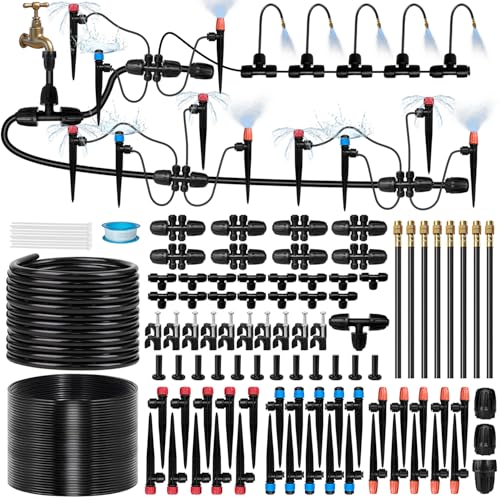
【Upgraded Tube Design & Water Saving】 Our garden watering system is upgraded to 1/2” diameter to support high water pressure. The 1/2” tee connector allows seamless splitting into 2 independent zones for customized watering schedules. By delivering moisture directly to root zones, this drip Irrigation system significantly reduces evaporation and runoff—saving more water compared to conventional sprinklers while eliminating the need for manual watering.

NO MORE HARD INSTALLATION - SET UP IN MINUTES. Tired of struggling with stiff barbed fittings? This drip irrigation system features quick-connect fittings that let you push, lock, and secure tubing effortlessly. No tools, no leaks, just a smooth setup experience. Enjoy a frustration-free installation and get your garden watering system running in minutes.
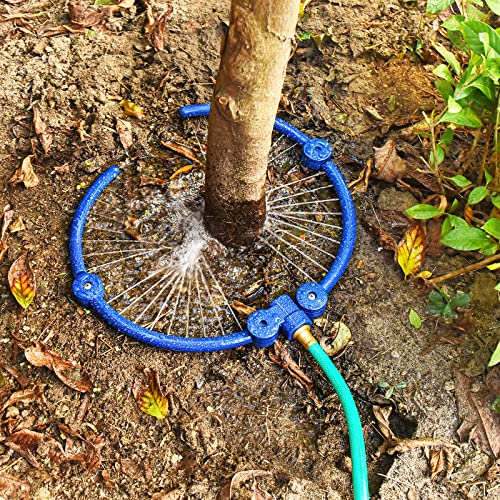
【Specially Designed for Trees and Shrubs】 The Watering Ring is a multi-purpose irrigation ring that attaches to a garden hose to efficiently water young trees shrubs vegetables or flower beds using drip or trickle irrigation.It directs water to the root perimeter of the plant to give them a good start during the first two growing seasons or through periods of drought.
Pollination and Spacing Guidelines
Ensure healthy pollination and optimal nut production by carefully considering the spacing guidelines for planting almond trees. Proper spacing allows for adequate sunlight exposure and airflow, which are crucial for pollination and nut development. Almond trees are primarily pollinated by honeybees, and optimal spacing enhances their ability to transfer pollen between blossoms. When planting almond trees, consider a spacing of 18-22 feet between the trees in a row and 22-24 feet between rows to allow for efficient pollination and nut yield.
| Spacing Guidelines | Distance (feet) |
|---|---|
| Between Trees (in a row) | 18-22 |
| Between Rows | 22-24 |
Pest Control and Disease Prevention
To effectively manage pests and prevent diseases in your almond orchard, implement proactive and sustainable control measures.
- Integrated Pest and Disease Management
- Introduce beneficial insects like ladybugs and lacewings to control aphids and mites, reducing the need for chemical control.
- Utilize trap crops to attract pests away from the main almond trees, reducing overall pest pressure.
Paying attention to integrated pest and disease management is crucial for maintaining a healthy almond orchard. By employing natural predators and strategic planting, you can reduce the reliance on chemical control, promoting a more sustainable environment for your trees.
Conclusion
In cultivating almond trees for optimal nut yield, remember the importance of:
- Well-draining soil
- Ample sunlight
- Consistent watering
Pay attention to:
- Pollination
- Spacing
- Pest management
By adhering to these principles, you set the stage for a successful almond harvest.
Happy planting and may your orchard flourish with abundance!
