

Have you ever wondered why your calamansi tree isn’t bearing fruit? You’re not alone. Many gardeners face this frustrating issue, hoping to enjoy the tangy flavor of fresh calamansi but feeling stuck when their trees don’t produce.
Key Takeaways
- Growing Conditions: Ensure your calamansi tree has well-draining soil with a pH of 6.0 to 7.0, receives at least six hours of sunlight daily, and is watered deeply but infrequently to promote fruiting.
- Pruning Importance: Prune at the beginning of spring and possibly in early fall to remove damaged branches and encourage healthy growth and fruit production.
- Fertilization Techniques: Apply organic or balanced fertilizers in early spring and mid-summer to support growth and fruit development. Regular soil testing can guide your fertilization schedule.
- Pest and Disease Management: Regularly inspect your tree for common pests and use appropriate treatments, while proactive disease prevention through proper watering and pruning is essential for tree health.
- Contributions to Home and Environment: Calamansi trees enhance home gardens with their aesthetic appeal, contribute positively to the environment, and can provide economic benefits through homegrown fruit.
Importance Of Calamansi Trees
Calamansi trees play a significant role in home gardens and culinary practices. These trees are valued for their versatility and aesthetic appeal.
Culinary Uses
Calamansi, a small citrus fruit, enhances various dishes. You can use it in marinades, salad dressings, or sauces. Its tangy flavor adds brightness to meals and complements seafood, meats, and vegetables.
Nutritional Benefits
Calamansi fruits are rich in vitamins and antioxidants. They provide vitamin C, which boosts immunity and promotes skin health. Including calamansi in your diet supports overall wellness.
Home Gardening Value
Growing a calamansi tree contributes to home gardening aesthetics. The glossy green leaves and fragrant blossoms attract pollinators. These trees also produce fruit that can be harvested for personal use, reducing reliance on store-bought citrus.
Economic Advantages
Cultivating calamansi trees can be economically beneficial. You can sell excess fruit at local markets or share it with friends and family. This fosters community connections while promoting sustainable practices.
Environmental Impact
Calamansi trees contribute positively to the environment. They help improve air quality and support local biodiversity. Planting calamansi trees encourages healthy ecosystems in urban and rural areas.
Ideal Growing Conditions
To help your calamansi tree bear fruit, creating the right growing environment is essential. Focus on soil, sunlight, and watering to ensure your tree thrives.
Recommended Products

Balanced Organic Nutrition – Supplies a 6‑3‑3 NPK ratio along with calcium, sulfur, iron, and zinc to foster healthy foliage, flowering, and fruit.

🍋 EXPLOSIVE HARVEST: GardenWise ignites a remarkable yield boost. Its scientific blend, featuring 6% nitrogen for growth, 4% phosphorus for flowering, and 6% potassium for fruit quality, culminates in an abundance of flavorful, aromatic fruits. This is more than growth; it's a nutrient-powered revolution in your citrus yield.

Let our professionally formulated plant food help your citrus tree grow healthy, strong AND abundantly producing
Soil Requirements
You’ll want well-draining soil for your calamansi tree. A mix of sandy loam and organic compost works best. It pH should range from 6.0 to 7.0. This acidity level promotes healthy root development. Test the soil if you’re unsure about its pH. Amend it with sulfur if it’s too alkaline. For added nutrients, incorporate aged manure or compost into the planting hole.
Sunlight and Watering Needs
Calamansi trees thrive in full sun, requiring at least six hours of direct sunlight daily. Position your tree where it can soak up those rays. Adjust watering based on the season; keep the soil moist but not soggy. Water your tree deeply about once a week, increasing frequency during hot months. This routine encourages robust growth and fruit production. Make sure to check for drainage to prevent waterlogging, which can harm the roots.
Pruning Techniques
Pruning your calamansi tree plays a crucial role in encouraging fruit production and maintaining overall tree health. Implement the following techniques for effective pruning.
When to Prune
Prune your calamansi tree at the beginning of spring before new growth starts. This timing allows the tree to recover quickly and promotes healthy growth. Additionally, consider pruning during early fall to remove any dead or damaged branches after the growing season.
- Gather Tools: Use sharp pruning shears, loppers, and gloves for safety. Clean tools before use to prevent disease spread.
- Identify Branches: Look for dead, damaged, or crossing branches. These can hinder air circulation and light exposure.
- Cut at the Right Angle: Make trims at a 45-degree angle. This shape helps prevent water accumulation on cuts, which can cause rot.
- Remove Suckers: Cut any suckers—shoots growing from the base or roots. These divert energy from fruit production.
- Thin Out: Lightly thin branches to increase sunlight penetration. Focus on the center of the tree where crowded branches grow. Aim for about 20-30% of the total foliage for optimal airflow.
- Monitor Growth: After pruning, observe new growth. Adjust future pruning based on how your calamansi tree responds.
- Practice Regularly: Implement these pruning practices annually to maintain a healthy, productive tree.
By applying these pruning techniques, you set the stage for your calamansi tree to thrive and produce fruit effectively.
Fertilization Methods
Fertilization plays a vital role in encouraging your calamansi tree to bear fruit. Understanding the right fertilizers and timing can make a significant difference in your tree’s productivity.
Recommended Products

Made for Citrus Tree Plants – Formulated to support healthy growth for Citrus trees and other indoor plants.
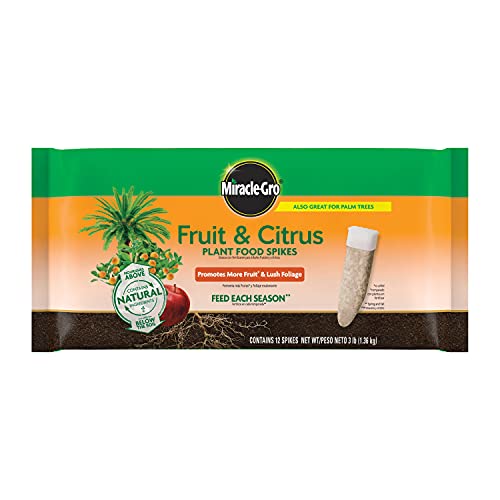
FORMULATED FOR CITRUS AND FRUIT TREES: Use these citrus fertilizer spikes on apple, orange, lemon, lime, and avocado trees; this formula is also great for feeding palm trees

CITRUS-SPECIFIC FORMULA: Specially designed for oranges, lemons, limes, and grapefruit to support healthy foliage, strong roots, and abundant fruit production.
Types of Fertilizers
- Organic Fertilizers: Use compost, well-rotted manure, or fish emulsion. These options improve soil structure and provide essential nutrients. They promote healthy growth and enhance fruit flavor.
- Synthetic Fertilizers: Opt for a balanced fertilizer like 10-10-10 or one specifically formulated for citrus. These fertilizers provide quick nutrient absorption, addressing immediate deficiencies. Follow the manufacturer’s instructions for application rates.
- Slow-Release Fertilizers: Consider using slow-release options for consistent nutrient delivery. These release nutrients gradually over time, reducing the risk of over-fertilization. This method supports steady growth and fruiting.
- Micronutrient Supplements: Supplement your calamansi tree’s diet with micronutrients, such as magnesium or iron, if you notice yellowing leaves. Fertilizers containing these elements can prevent nutritional deficiencies that hinder fruit production.
- Early Spring: Apply fertilizer when new growth appears. This timing supports active growth and prepares the tree for fruiting.
- Mid-Summer: Provide a second dose in mid-summer to support fruit development. This application helps sustain energy levels as the tree starts setting fruit.
- After Harvest: Fertilize your calamansi tree after the harvest season. This practice aids in post-fruit recovery and prepares the tree for the next growing season.
- Regular Soil Testing: Test the soil pH and nutrient levels annually. Adjust the fertilization schedule based on soil health, ensuring optimal growing conditions.
By utilizing the right fertilizers and timing, your calamansi tree gains the essential nutrients necessary to flourish and produce fruit effectively.
Pest and Disease Management
Effective pest and disease management is vital for ensuring your calamansi tree produces fruit. Addressing these issues promptly helps maintain tree health and enhances fruit yield.
Recommended Products

KILLS LISTED FRUIT & CITRUS TREE INSECTS: Controls Asian Citrus Psyllid, Whiteflies, Aphids Thrips, Citrus Leafminers, Leafhoppers, Blackfly, Mealybugs, Scales, Avocado Lacebugs, Oriental Beetles, Flea Beetles, Sharpshooters, and Spittlebugs

INSECT KILLER: Fast-acting formula kills listed insects including aphids, Japanese beetles, caterpillars, whiteflies, and other listed pests on contact
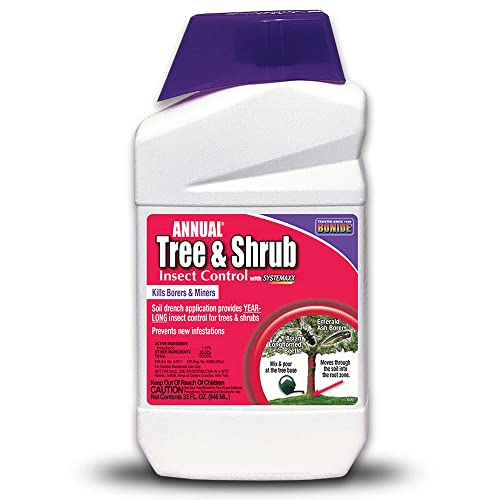
Kill borers, miners and more in your lawn and garden with Annual Tree & Shrub Insect Control Concentrate with Systemaxx from Bonide
Common Pests
Identifying and managing common pests can prevent damage to your calamansi tree.
- Aphids: Small, soft-bodied insects that cluster on new growth, sucking sap and weakening the tree. Control them by spraying with insecticidal soap or a strong stream of water.
- Spider mites: Tiny arachnids that create fine webbing on leaves, leading to yellowing and leaf drop. Increase humidity around the tree or treat with neem oil.
- Scale insects: Small, immobile pests that attach themselves to stems and leaves, draining nutrients. Remove them with a damp cloth or spray with horticultural oil.
- Caterpillars: Larvae of moths and butterflies feed on leaves, causing significant damage. Handpick them off the tree or use a biological control like Bacillus thuringiensis (Bt).
- Whiteflies: Small, flying insects that also suck sap and transmit diseases. Use yellow sticky traps and spray with insecticidal soap to manage their population.
Disease Prevention Strategies
Preventing diseases requires a proactive approach to tree care.
- Proper Watering: Water at the base of the tree to avoid wetting the foliage, reducing the risk of fungal diseases like root rot and leaf spots.
- Soil Health: Use well-draining soil and organic amendments to maintain soil vitality and prevent fungal infections.
- Pruning: Regularly prune dead or diseased branches to improve airflow and light penetration. Disinfect pruning tools between cuts with rubbing alcohol to prevent spreading pathogens.
- Fungicides: Apply fungicides as a preventive measure during wet seasons or when signs of disease appear. Always follow label instructions for optimal results.
- Fruit Drop Management: If fruit drop occurs, check for underlying causes like pests or diseases. Dispose of any fallen fruit to minimize disease spread.
By implementing these pest and disease management strategies, you enhance your chances of a thriving calamansi tree that bears fruit successfully.
Conclusion
Getting your calamansi tree to bear fruit takes a bit of patience and care but it’s totally worth it. By ensuring your tree gets the right sunlight and water and using proper pruning and fertilization techniques, you’re setting the stage for a fruitful harvest.
Don’t forget to keep an eye out for pests and diseases to keep your tree healthy. With a little dedication and attention, you’ll soon enjoy the tangy flavors of fresh calamansi right from your own garden. Happy gardening and may your calamansi tree thrive!
Frequently Asked Questions
Why is my calamansi tree not bearing fruit?
Calamansi trees may fail to produce fruit due to inadequate sunlight, poor soil conditions, or insufficient watering. Ensuring your tree receives at least six hours of direct sunlight daily, using well-draining soil, and maintaining consistent moisture can help encourage fruit production.
What are the ideal growing conditions for calamansi trees?
Calamansi trees thrive in well-draining sandy loam mixed with organic compost, with a pH between 6.0 and 7.0. They also require full sunlight for at least six hours a day. Proper watering without waterlogging is essential for healthy growth.
How can I encourage fruit production in my calamansi tree?
To promote fruit production, regularly prune your calamansi tree in spring and fall to remove damaged branches and encourage air circulation. Additionally, use appropriate fertilizers during key growth periods and ensure proper watering techniques.
What type of fertilizer should I use for calamansi trees?
For calamansi trees, you can use organic fertilizers like compost and well-rotted manure, or synthetic options such as balanced 10-10-10. Applying fertilizer in early spring, mid-summer, and post-harvest can significantly enhance fruit development.
How do I manage pests on my calamansi tree?
To manage pests such as aphids or spider mites, monitor your tree regularly and apply appropriate control methods, including insecticidal soap or neem oil. Maintaining good watering practices and soil health also helps prevent pest infestations.
