

Ever found yourself struggling to get your tree pruner to work properly? Maybe it’s the spring causing all the trouble. How do you replace it without a hassle? We’ve got you covered.
Imagine this: You’re all set to tackle those overgrown branches, but your pruner just won’t cooperate. Fret not, as we’re here to guide you through the process of replacing that pesky spring.
Benefits of a Functional Spring on a Tree Pruner
Having a tree pruner with a properly functioning spring offers several advantages:
- Improved Efficiency: It helps reduce hand fatigue and makes pruning quicker and more precise.
- Extended Tool Lifespan: A good spring ensures that the pruner remains in optimal condition for longer.
- Enhanced Safety: It provides smooth operation, lowering the risk of accidents or injuries.
Remember that maintaining your tools is key to efficient and safe gardening.
Signs that Indicate a Damaged Spring
If you notice uneven cutting, blades not fully opening or closing, or a weakened cutting force, these could be signs of a damaged spring on your tree pruner.
When inspecting your tree pruner, pay attention to any rust, cracks, or deformities in the spring mechanism.
A worn-out spring can lead to inefficient cuts or even safety hazards while pruning.
Inspect regularly and replace the spring promptly to keep your tree pruner in top condition.
| Key Points | |
|---|---|
| Signs of Damage | Uneven cutting, blades not fully operating, weakened cutting force |
| Inspection Tips | Check for rust, cracks, deformities in the spring mechanism |
| Importance | Prevents safety hazards, ensures efficient pruning operations |
Recommended Products

Designed for Z104 pole pruner spring replacement, compatible with Marvin PH4 pruner head and other common pole pruner models, offering a reliable spring replacement

Falco Pruner Replacement Springs 2-91 2 Pack Is your Falco listless and unresponsive? Bring it back to life with genuine Falco replacement springs
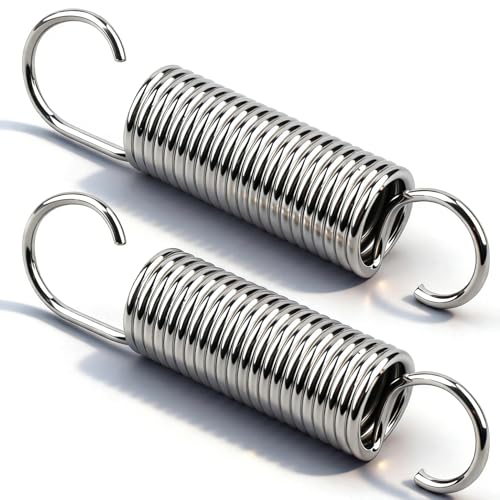
Product Information: 6801-5 spring, designed fits for Corona tree pruners 2-piece set—consistent performance as the original component
Tools Required for Replacing a Spring
When it comes to replacing a spring on your tree pruner, having the right tools at your disposal is essential. Here are the tools you’ll need:
- Screwdriver: To help with disassembling and reassembling the pruner.
- Pliers: Useful for handling small parts and ensuring a secure fit.
- Replacement Spring: Ensure you have the correct type and size for your tree pruner.
- Safety Gear: Gloves and safety glasses to protect your hands and eyes during the process.
Having these tools ready before starting the spring replacement will make the task smoother and more efficient. Now, let’s move on to the step-by-step guide for replacing the spring on your tree pruner.
Recommended Products

Specification: Material:Stainless Steel

Tree Pole Pruner Spring Replacement Set – Includes 5Pcs replacement springs designed for pruners, pruning shears, trimming scissors, garden clippers, and tree branch trimmers, ideal for manual and handheld gardening tools.

Specifically designed for use compatible with Corona TP 6881 ,pole pruner, the 6880-5 pruner spring is ideal for restoring smooth, responsive operation.
Step-by-Step Guide to Replace the Spring on a Tree Pruner
When it comes to replacing the spring on your tree pruner, you want to ensure you follow a systematic approach. Here’s a step-by-step guide to help you through the process:
- Step 1: Prepare Your Tools
Get your screwdriver, pliers, and the replacement spring ready. Don’t forget to put on your safety gloves and safety glasses. - Step 2: Disassemble the Pruner
Start by carefully disassembling the tree pruner. This usually involves removing screws and separating the parts to access the old spring. - Step 3: Remove the Old Spring
Once you have access to the old spring, gently detach it using your pliers. Be cautious not to damage any surrounding parts during this step. - Step 4: Install the New Spring
Take the replacement spring and securely place it in the correct position as per the pruner’s manual or instructional guide. - Step 5: Reassemble the Tree Pruner
Carefully put the pruner back together, ensuring all parts are in their correct positions and securely fastened with the screws. - Step 6: Test the Pruner
Once reassembled, test the tree pruner to ensure the new spring functions correctly. Make any adjustments if needed.
Remember, safety is crucial throughout the process. By following these steps carefully, you can successfully replace the spring on your tree pruner and get back to smooth and efficient pruning.
Recommended Products

What You Get: Includes 2 compound tree pruner springs, providing convenient replacements for maintenance and extending the service life of your pruning tools.

Made from high quality stainless steel, which is durabie and longlife for use.
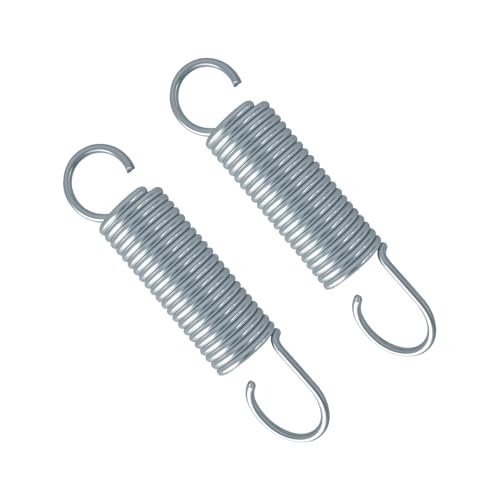
This pruner replacement spring is designed to restore proper tension for compound pruning tools, offering smooth cutting movement for pole saw mechanisms.
Conclusion
You now have the knowledge and tools to confidently replace the spring on your tree pruner. By following the detailed steps outlined in the guide and taking necessary safety precautions, you can ensure a smooth and successful spring replacement process. Remember to work methodically and stay safe throughout the task. With your pruner fully functional again, you’ll be ready to tackle your pruning tasks with ease. Happy pruning!
Frequently Asked Questions
1. What tools are needed to replace the spring on a tree pruner?
You will need a screwdriver, pliers, a replacement spring, safety gloves, and safety glasses.
2. How do I replace the spring on a tree pruner?
- Disassemble pruner: Detach all components carefully.
- Remove old spring: Use pliers to take out the old spring.
- Install new spring: Place the replacement spring securely.
- Reassemble pruner: Put all parts back in their place.
- Test functionality: Ensure proper working of the pruner.
3. Why are safety precautions important during the spring replacement process?
Wearing safety gloves and glasses protects you from potential injuries while handling tools and parts. Always prioritize safety for successful and accident-free pruning operations.
