

Have you ever wished you could enjoy fresh fruit right from your patio or balcony? If space is tight, growing traditional fruit trees might feel impossible. But there’s a solution: espaliering. This technique allows you to train fruit trees to grow flat against a structure, maximizing your limited space while adding beauty to your outdoor area.
Key Takeaways
- Espalier Technique: Espaliering is a space-efficient method of training fruit trees to grow flat against structures, enhancing aesthetics while maximizing limited outdoor spaces.
- Best Tree Varieties: Opt for dwarf or semi-dwarf fruit trees like apple, pear, cherry, plum, and certain citrus varieties that thrive in pots and adapt well to espaliering.
- Pot Preparation: Use at least 10-15 gallon pots with good drainage, filled with a nutrient-rich potting mix of organic matter, perlite, and coconut coir for optimal growth conditions.
- Training and Pruning: Begin with shaping your trees by selecting a central leader branch and pruning competing branches. Maintain regular pruning and adjustments to ensure healthy growth and fruit production.
- Maintenance Matters: Consistent watering, seasonal fertilization, and pest control are crucial for the health of espaliered trees. Monitor growth and adjust ties to promote openness for sunlight and airflow.
- Avoid Common Mistakes: Prevent overwatering and pruning errors by monitoring soil moisture and practicing careful pruning techniques to promote healthy, productive fruit trees.
Understanding Espalier Techniques
Espaliering involves training fruit trees to grow flat against a structure, optimizing space and improving aesthetics. This method allows for creative designs while producing a bountiful harvest.
What Is Espalier?
Espalier is a horticultural practice that encourages tree branches to grow in a two-dimensional arrangement. By using trellises, wires, or walls, you can direct the growth of branches in a desired pattern. You select specific branches to secure while pruning others to maintain the flat shape. This controlled growth leads to an attractive visual display and easier access to the fruit.
- Space Efficiency: Espaliering maximizes limited outdoor areas. By growing trees flat against a wall or fence, you save space while still enjoying fresh fruit.
- Increased Airflow: Improved airflow around the branches reduces the risk of disease. This helps keep trees healthier and more productive.
- Enhanced Sunlight Exposure: Flat training allows for better light penetration. More sunlight translates into improved fruit production and ripening.
- Accessibility: Easier access to fruit makes harvesting more convenient. You can reach fruits at eye level instead of climbing up or bending down.
- Aesthetic Appeal: Espaliered trees create visual interest. They add structure and charm to patios, balconies, or gardens.
- Easier Maintenance: Managing a smaller surface area simplifies pruning and watering. You’ll spend less time on upkeep.
Espaliering combines beauty and practicality, making it an excellent choice for anyone with limited gardening space.
Choosing the Right Fruit Trees for Espalier
Selecting the right fruit trees is crucial for successful espaliering in pots. You want varieties that thrive in containers and can adapt to the espalier technique.
Recommended Products

Product Quantity: 180+ premium bonsai fruit seeds across 5 varieties; Individual packs contain 40+ apple, 40+ lemon, 40+ orange, 20+ blueberry, and 40+ cherry seeds; Perfect for starting a diverse miniature orchard

Package: 5 Individual Packs, 40+ Lemon Tree Seeds 40+ Cherry Tree Seeds 40+ Orange Tree Seeds 40+ Apple Seeds 20+ Blueberry Seeds

4 kinds of the most popular fruits, individually packaged, 50pcs Lemon seeds 50pcs Cherry seeds 50pcs Orange seeds 50pcs Apple seeds Fresh seeds, all fruit seeds are packed in tear and moisture resistant zipper sealed bags for your long term storage.
Best Varieties for Pot Cultivation
- Apple Trees: Dwarf varieties like ‘Gardener’s Delight’ or ‘Columnar Apple’ fit well in pots. They produce fruit quickly and require less space.
- Pear Trees: Varieties such as ‘Patio Pear’ or ‘Pineapple Pear’ thrive in containers. They flourish with suitable support and produce sweet, juicy pears.
- Cherry Trees: ‘Stella’ and ‘Compact Stella’ are perfect choices. These varieties yield delicious cherries and adjust easily to limited spaces.
- Plum Trees: Consider ‘Dwarf Blue Damson’ or ‘Pixy Plum’ for pots. These trees grow compactly and offer tasty fruit.
- Citrus Trees: Options like ‘Meiwa Kumquat’ or ‘Improved Meyer Lemon’ adapt well to pots. They add fragrance and flavor to your garden while being relatively easy to train.
- Size: Choose dwarf or semi-dwarf varieties. They grow more compactly, making training and maintenance easier.
- Climate Compatibility: Select trees suited to your local climate. Check frost dates and heat tolerance to ensure success.
- Growth Habit: Look for trees with a naturally open branching structure. This trait makes it easier to guide their growth during training.
- Pollination Needs: Confirm whether your chosen trees require cross-pollination. Some fruit trees, like apples, produce better yields with a compatible partner.
- Container Requirements: Ensure your selected trees can thrive in pots. Choose large containers to accommodate root growth, and use quality potting soil for optimal health.
By thoughtfully selecting your fruit trees, you can create a beautiful and productive espalier garden that flourishes in your limited space.
Preparing Your Pots for Espalier
Preparing your pots correctly sets the stage for healthy fruit trees and successful espaliering. Focus on the pot size and potting mix to create the ideal environment for your trees.
Recommended Products

100% Natural: Custom blend for your indoor potted banana trees

100% Natural: Expertly hand-blended with premium ingredients for potted citrus trees, ensuring your trees receive the purest, chemical-free nutrients. Contains no artificial additives.

【Ideal pH Balance】Our citrus soil is carefully calibrated to maintain an optimal pH level between 6.0 and 7.1, ensuring your citrus trees can absorb essential nutrients efficiently and thrive
Selecting the Appropriate Size
Selecting the right pot size is crucial for your fruit trees’ growth. Choose pots that hold at least 10-15 gallons of soil for dwarf fruit trees. This size allows roots to spread while maintaining moisture and nutrients. Ensure pots have drainage holes to prevent root rot. If you’re creating a trellis system, consider pots with sturdy bases to support the tree’s structure as it grows, promoting stability and health.
Essential Potting Mix Components
Using a high-quality potting mix provides your trees with the necessary nutrients. Look for a mix that contains:
- Organic Matter: Helps retain moisture and supplies nutrients.
- Perlite or Vermiculite: Promotes drainage and aeration, preventing compaction.
- Coconut Coir: Increases moisture retention and adds organic matter.
Blend these components to create a well-draining, nutrient-rich environment. Aim for a ratio of 60% organic matter, 20% perlite, and 20% coconut coir for optimal results. This mix supports root growth and enhances overall plant health.
By selecting the right pot size and using an effective potting mix, you create a solid foundation for your espaliered fruit trees.
Training Your Fruit Trees
Training your fruit trees is essential for successful espaliering. This process involves shaping your trees to maximize space, enhance fruit production, and retain an attractive appearance.
Recommended Products

【Durable Metal Construction】This dragon fruit plant rack is made of high-quality metal, sturdy and durable. This dragon fruit trellis has excellent weather resistance, providing strong support for the healthy growth of your climbing plants both indoors and outdoors.

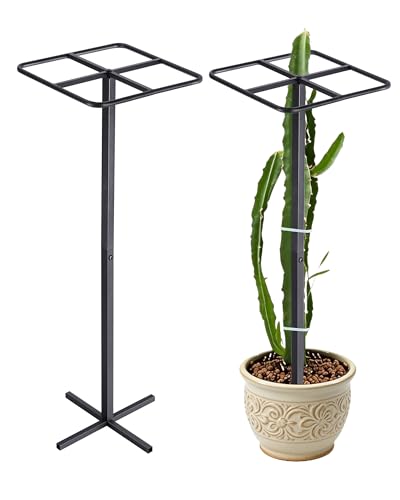
Square Top Design Unlike round trellis tops that let vines tangle together, our 4-section square top gives you four separate areas to train and separate your plants. This design improves air circulation and sunlight exposure while making pruning and harvesting easier.
Initial Pruning and Shaping Techniques
Start by selecting a single central leader branch on each tree. Prune this branch to encourage upward growth. Remove any competing branches, particularly those growing at wide angles. Cut these back to focus energy on the main stem. As the tree grows, identify lateral branches that will form the framework.
Tie these lateral branches with soft plant ties to a trellis or support structure. Position them horizontally to maintain flat growth. Aim for a spacing of 12-18 inches between branches. Regular pruning is crucial, so monitor the tree’s development and prune any wayward growth at least twice a year. Pruning encourages fruiting and prevents overcrowding.
Maintenance and Adjustments Over Time
Ongoing maintenance ensures your fruit trees maintain their desired shape. Regularly inspect the growth of branches and adjust ties as necessary to prevent constriction. If branches outgrow their space, prune them back to the desired length, maintaining an open canopy for sunlight and air circulation.
Watering consistently is key. Ensure the soil remains moist but not soggy, especially during fruiting seasons. Fertilization should occur in early spring using a balanced fertilizer suitable for fruit trees. Keep an eye on pest and disease symptoms. Take action promptly if you notice issues, utilizing organic pest control methods when possible.
By following these steps, you’ll cultivate healthy espaliered fruit trees that flourish in pots, maximizing both fruit yield and aesthetic appeal.
Common Mistakes to Avoid
Espaliering fruit trees in pots offers rewards but comes with potential pitfalls. Being aware of common mistakes can help ensure your trees thrive.
Overwatering and Underwatering
Overwatering leads to root rot, while underwatering causes stress. Check the moisture level before watering. Stick your finger into the soil up to the second knuckle. If it feels dry, it’s time to water. Ensure pots have drainage holes to prevent excess water buildup. Use a potting mix that retains moisture but drains well. Regularly monitor your pots, especially during hot weather.
Pruning Errors
Pruning mistakes can hinder growth and fruit production. Prioritize shaping your tree from an early stage. Always remove dead or crossing branches first. Keep lateral branches tied to the trellis for flat growth. Avoid cutting too much at once; aim for removing no more than one-third of the tree’s foliage in a single session. Regular maintenance pruning in late winter or early spring promotes healthy growth. Watch for overcrowding, and adjust ties as needed to maintain shape.
Conclusion
Espaliering fruit trees in pots is a rewarding way to enjoy fresh produce while adding beauty to your space. By choosing the right varieties and preparing your pots thoughtfully you can set yourself up for success. Remember to train and prune your trees regularly to maintain their shape and health.
With a little patience and care you’ll not only maximize your growing area but also create a stunning focal point in your garden or patio. So grab those tools and get started on your espaliering journey. You’ll be thrilled with the results and the delicious fruit that follows. Happy gardening!
Frequently Asked Questions
What is espaliering?
Espaliering is a horticultural technique that involves training fruit trees to grow flat against a structure, such as a wall or trellis. This method optimizes space, enhances airflow, and improves sunlight exposure, making it ideal for limited gardening areas like patios or balconies.
Which fruit trees are best for espaliering in pots?
Dwarf fruit trees are ideal for espaliering in pots. Recommended varieties include ‘Gardener’s Delight’ apple, ‘Patio Pear,’ ‘Stella’ cherry, ‘Dwarf Blue Damson’ plum, and ‘Meiwa Kumquat’ citrus. These trees adapt well to containers and the espalier technique.
How do I prepare pots for espaliering?
Choose pots that hold 10-15 gallons of soil to support root growth. Ensure pots have drainage holes to prevent root rot. Use a quality potting mix with about 60% organic matter, 20% perlite, and 20% coconut coir for optimal growth.
What training techniques are essential for espaliering?
Training involves initial pruning and shaping of the tree. Select a central leader branch and remove competing branches. Tie lateral branches to a trellis to encourage flat growth. Regular pruning helps maintain shape, promotes fruiting, and prevents overcrowding.
What common mistakes should I avoid when espaliering?
Avoid overwatering or underwatering your trees by regularly checking soil moisture. Improper pruning can hinder growth; ensure early shaping and removal of dead or crossing branches. Follow a careful pruning schedule to promote healthy tree development.
