

Tamarind trees can thrive in Florida’s subtropical climate, given the right conditions. These trees require well-drained soil, ample sunlight, and protection from frost to flourish.
Tamarind Tree Growth Conditions in Florida
Tamarind trees are native to tropical regions and thrive in warm climates. Florida’s subtropical environment provides a suitable habitat, but specific care is essential for successful growth. The trees prefer sandy or loamy soil that drains well to prevent root rot. They also need full sunlight for optimal growth and fruit production.
Recommended Products

Quick, at home results for Soil pH, Nitrogen, Phosphorous and Potash Innovative and inexpensive soil test kit features an easy-to-use capsule system and patented color comparators

Kindly NOTE: This soil tester can not be applied to test pH value of any other liquid. If the soil is too dry the indicator will not move, and water it before testing.
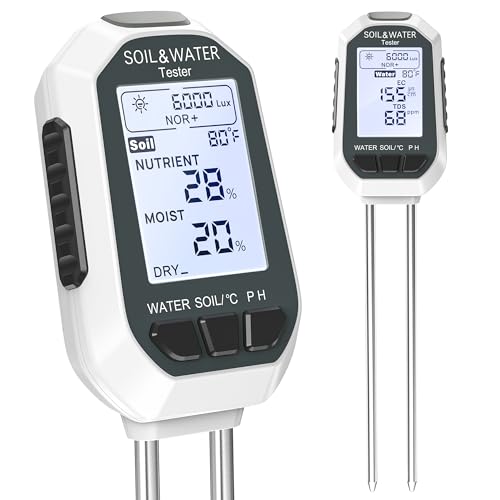
【7-in-1 Features】This is a 7-in-1 multi-function soil tester. Our soil tester quickly measures soil moisture, pH, temperature and light intensity, and its fertility function helps you take better care of your plants. With this device you can measure the soil moisture, pH, temperature and light intensity for your plants and with the EC and TDS functions you will know when it is time to water the soil.
Tamarind Tree Soil and Drainage Requirements
Tamarind trees thrive in warm climates, making Florida an ideal location for their growth. Understanding the specific soil and drainage requirements is crucial for successful cultivation. This section delves into the optimal conditions that support the health and productivity of tamarind trees in Florida’s diverse landscapes.
Proper soil conditions are crucial for tamarind trees. They prefer:
Sandy soil that allows excess water to drain quickly.
Loamy soil enriched with organic matter for nutrients.
pH levels between 6.0 and 7.0 for healthy growth.
A soil test can help determine the pH and nutrient levels. If the soil is too compact or clay-heavy, consider amending it with sand or compost to improve drainage.
Sunlight Requirements for Tamarind Trees
Tamarind trees thrive in warm, sunny environments, making Florida’s climate potentially ideal for their growth. Understanding the specific sunlight requirements is crucial for successful cultivation, as these trees need ample light to flourish and produce fruit. This section delves into the optimal sunlight conditions necessary for tamarind trees to thrive in Florida’s unique ecosystem.
Tamarind trees thrive in full sunlight, requiring at least six hours of direct sunlight daily. They can tolerate high temperatures but are sensitive to frost.
Ideal temperature range is between 70°F and 100°F.
Frost protection is necessary during winter months in northern Florida.
Consider planting tamarind trees in a location that receives ample sunlight and is shielded from cold winds.
Tamarind Tree Watering and Fertilization Techniques
Understanding the proper watering and fertilization techniques is crucial for cultivating healthy tamarind trees in Florida’s unique climate. These practices not only support the tree’s growth but also enhance its resilience against environmental stressors. By following specific guidelines, you can ensure that your tamarind trees thrive in this tropical setting.
Watering and fertilization are vital for healthy tamarind trees.
Water regularly during dry spells, ensuring the soil remains moist but not waterlogged.
Fertilize with a balanced fertilizer during the growing season to promote growth.
A deep watering schedule encourages deep root growth, which is essential for the tree’s stability and health.
| Watering Frequency | Season | Soil Condition |
|---|---|---|
| Weekly | Spring/Summer | Moist but well-drained |
| Bi-weekly | Fall/Winter | Slightly drier |
Tamarind Tree Pest and Disease Solutions
Tamarind trees, while resilient, can face various pests and diseases that threaten their health and productivity. Understanding these challenges is crucial for successful cultivation in Florida’s unique climate. This section highlights effective solutions to manage and prevent pest infestations and disease outbreaks, ensuring your tamarind trees thrive.
Tamarind trees can face various pests and diseases. Common issues include:
Scale insects that can weaken the tree.
Root rot caused by overwatering or poor drainage.
Regular monitoring and prompt treatment with appropriate insecticides or fungicides can help maintain tree health. Implementing good cultural practices, such as proper spacing and sanitation, can also reduce disease risks.
Tamarind Tree Pruning and Care Tips
Proper pruning and care are essential for maintaining healthy tamarind trees in Florida’s unique climate. This section offers practical tips on how to effectively prune these trees to promote growth, enhance fruit production, and ensure their overall vitality. Discover the best practices that will help you cultivate thriving tamarind trees in your garden.
Pruning is essential for maintaining the shape and health of tamarind trees.
Remove dead or diseased branches to prevent the spread of pests.
Thin out crowded branches to improve air circulation.
Regular maintenance ensures the tree remains healthy and productive.
| Pruning Frequency | Best Time | Purpose |
|---|---|---|
| Annually | Late winter | Shape and health |
| As needed | Growing season | Remove dead wood |
Tamarind Pod Harvesting Techniques
Harvesting tamarind pods requires a blend of traditional methods and modern techniques to ensure optimal yield and quality. Understanding the right timing and tools can significantly enhance the efficiency of the process. This section explores effective strategies for tamarind pod harvesting, tailored specifically for Florida’s unique climate and growing conditions.
Tamarind trees typically start producing fruit after three to four years. The pods ripen and can be harvested when they turn brown and begin to dry.
Harvest pods by hand to avoid damaging the tree.
Store harvested pods in a cool, dry place.
Proper harvesting techniques ensure a good yield and maintain tree health.
Leveraging Local Resources for Tamarind Growth
Growing tamarind trees in Florida can be a rewarding endeavor, especially when local resources are utilized effectively. Understanding the region’s climate, soil conditions, and available materials can significantly enhance the chances of success. This section explores practical strategies for leveraging Florida’s unique environment to foster healthy tamarind growth.
Utilizing local resources can enhance your tamarind growing experience.
Visit local nurseries for tamarind seedlings or expert advice.
Join gardening clubs to share experiences and tips with fellow growers.
Engaging with the community can provide valuable insights into successful tamarind cultivation in Florida.
Evaluate Florida’s Climate for Tamarind Growth
Florida’s climate presents a unique opportunity for tamarind trees, which thrive in warm, tropical conditions. Understanding the specific weather patterns, soil types, and seasonal variations in Florida is essential for assessing the potential for successful tamarind cultivation. This section delves into the key climatic factors that influence the growth of tamarind trees in the Sunshine State.
Before planting tamarind trees, assess your growing conditions.
Check soil drainage and amend as necessary.
Evaluate sunlight exposure and choose a suitable location.
Taking these steps ensures a higher chance of success in growing tamarind trees in Florida.
