

Ever wondered how long it takes for apricot trees to start producing those sweet, juicy fruits? If you’ve planted one or are thinking about it, you’re not alone. Many gardeners share the excitement of nurturing a tree, only to feel a bit anxious about when they’ll finally see the fruits of their labor.
Key Takeaways
- Apricot trees typically start producing fruit between 3 to 5 years after planting, with grafted varieties yielding fruit even sooner (2 to 3 years).
- Different apricot varieties, such as Royal, Tilton, and Harcot, have unique characteristics and growing requirements that can impact fruit production.
- Optimal growing conditions include full sunlight (6-8 hours), well-draining soil (pH 6.0-7.5), regular watering, and temperatures with cold winters and warm summers.
- Care practices like proper pruning, nutrient management, and soil testing facilitate quicker and more abundant fruiting in apricot trees.
- Understanding the growth stages—from seedling to maturity—helps growers provide appropriate care and meet the tree’s developmental needs for fruit production.
Understanding Apricot Trees
Apricot trees are a delightful addition to any garden, offering both beauty and delicious fruit. Knowing the different varieties and the ideal growing conditions helps ensure a fruitful harvest.
Overview of Apricot Tree Varieties
You’ll find several apricot tree varieties, each with unique characteristics.
- Royal: Famous for its sweet, golden-orange fruit. Grows well in a range of climates.
- Tilton: Known for its large fruit and good flavor. Ideal for colder areas.
- Harcot: Produces small to medium fruit. Tasty and great for preserves.
Selecting the right variety for your climate and intended use can enhance your gardening experience.
Ideal Growing Conditions
Apricot trees thrive in specific conditions that promote healthy growth and fruit production.
- Sunlight: Full sun for at least 6-8 hours daily is essential.
- Soil: Well-draining soil with a pH level between 6.0 and 7.5 supports healthy roots.
- Watering: Regular watering during dry spells promotes vitality, but avoid waterlogging.
- Temperature: Apricot trees prefer a climate with cold winters and warm summers for optimal flowering and fruit set.
Meeting these growing conditions contributes to a robust apricot tree that bears fruit in due time.
Factors Influencing Fruit Time
Various factors influence how long apricot trees take to produce fruit. Understanding these factors helps in nurturing your trees for optimal growth and yield.
Recommended Products
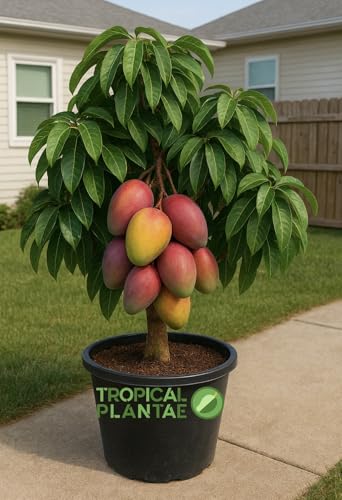
Imagine stepping into your backyard a few months from now and seeing a beautiful grafted Haden mango tree, growing stronger every day — a tree that will soon reward you with one of the most classic, flavorful mangoes ever grown.

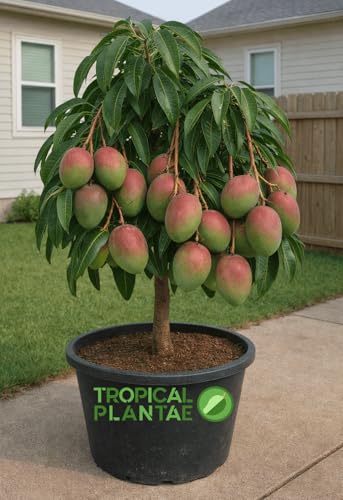
Imagine stepping outside your home and seeing a healthy mango tree growing stronger every season—one that doesn’t just decorate your yard, but adds real value to your daily life.
Age of the Tree
Age significantly impacts fruiting time in apricot trees. Generally, apricot trees start producing fruit between 3 to 5 years after planting. Younger trees may take longer, especially if they’re grown from seed. Choosing grafted trees offers quicker results, as they often bear fruit within 2 to 3 years. For optimal fruit production, ensure your tree is mature enough and consider the variety, as some may mature faster than others.
Grafting Techniques
Grafting techniques also play a vital role in fruiting time. Grafting involves joining a young shoot from one tree (the scion) to the rootstock of another. This process enhances growth and can lead to earlier fruit production. Commonly used grafting methods include whip-and-tongue and cleft grafting. Using high-quality rootstocks can improve vigor and disease resistance, resulting in a healthier tree that fruits sooner. When considering grafting, select techniques that best match the characteristics of your desired apricot variety.
Growth Stages of Apricot Trees
Apricot trees progress through several distinct growth stages before they start producing fruit. Understanding these stages helps you nurture your tree effectively.
Seedling Stage
During the seedling stage, the young apricot tree focuses on establishing its roots and developing basic structure. This stage lasts for about one to two years. Ensure the sapling receives adequate water and sunlight to promote healthy growth. Regularly check the soil’s moisture level and protect the seedling from harsh weather conditions.
Early Development
The early development stage occurs after the seedling stage, typically between years two and four. Your tree will grow in height and branch out during this period. Fertilizing with a balanced fertilizer supports robust growth and aids in the establishment of a strong canopy. Pruning young trees helps shape their growth and ensures adequate airflow, reducing the risk of diseases.
Maturity
Maturity generally begins around the third to fifth year after planting. This stage marks the transition to fruit-bearing. You’ll notice flowers appearing in the spring, indicating potential fruit development. Proper care, including consistent watering and nutrient management, enhances fruit yield during this period. By ensuring optimum conditions, you can expect to harvest your first batch of apricots as the tree matures.
Care and Maintenance for Faster Fruiting
Proper care and maintenance can significantly speed up the fruiting process of your apricot trees. Focus on pruning and nutrient management for the best results.
Pruning Practices
Pruning apricot trees influences their overall health and fruit production. Follow these steps for effective pruning:
- Timing: Prune in late winter or early spring, just before new growth begins. This prevents damage to young buds.
- Remove Dead Wood: Cut away any dead, damaged, or diseased branches to improve air circulation and light penetration.
- Shape the Tree: Maintain an open center structure. This allows sunlight to reach all parts of the tree, promoting uniform fruit development.
- Thin Out Growth: Remove some branches to reduce competition for nutrients, encouraging better growth on remaining branches.
- Limit Size: Prune to keep the tree at a manageable height for easier harvesting.
Nutrient Requirements
Providing the right nutrients ensures optimal growth for apricot trees. Consider the following for effective nutrient management:
- Soil Testing: Test soil annually to understand nutrient levels. Adjust your fertilization strategy based on test results.
- Balanced Fertilizer: Use a balanced fertilizer with equal parts nitrogen, phosphorus, and potassium (N-P-K), like a 10-10-10 blend. This supports healthy growth.
- Organic Matter: Incorporate compost or well-rotted manure into the soil. This improves soil structure and adds essential nutrients.
- Application Timing: Fertilize in early spring as growth begins, following up with a second feeding in early summer for continued support.
- Watering: Keep the tree adequately watered, especially during dry spells. This helps nutrient absorption and promotes overall health.
By implementing these care and maintenance practices, you can encourage your apricot trees to produce fruit more quickly and abundantly.
Conclusion
Growing apricot trees can be a rewarding journey filled with anticipation. With patience and proper care you’ll soon enjoy the sweet reward of your labor. Remember that each variety has its own timeline and unique needs so staying attentive to your tree’s growth is key.
By nurturing your apricot tree through its early stages you’re setting the foundation for a bountiful harvest in just a few years. Embrace the process and celebrate each milestone along the way. Before you know it you’ll be savoring the fruits of your efforts straight from your own garden. Happy gardening!
Frequently Asked Questions
How long does it take for apricot trees to start producing fruit?
Apricot trees typically begin to produce fruit between 3 to 5 years after planting. However, grafted trees can yield fruit sooner, usually within 2 to 3 years.
What factors affect the fruiting time of apricot trees?
The time it takes for apricot trees to bear fruit is influenced by their age, variety, and growing conditions. Proper care, including watering, soil conditions, and nutrient management, also plays a crucial role.
What are some common varieties of apricot trees?
Common apricot tree varieties include Royal, Tilton, and Harcot. Each offers unique characteristics suited for different climates and usage, ensuring a good fit for various gardening needs.
What are the ideal growing conditions for apricot trees?
Apricot trees thrive in full sunlight, well-draining soil, regular watering, and a temperature range between 75°F-85°F (24°C-29°C). These conditions promote healthy growth and increased fruit production.
How can care and maintenance speed up fruiting?
Proper pruning, nutrient management, and consistent watering can enhance growth and accelerate fruit production. Techniques like shaping the tree and removing dead wood make it easier for sunlight to reach the fruit-bearing branches.
What are the growth stages of apricot trees before they bear fruit?
Apricot trees go through three key growth stages: the seedling stage (1-2 years), early development stage (2-4 years), and maturity stage (3-5 years). During these stages, care is essential for healthy growth and fruit production.
What is grafting, and how does it affect apricot trees?
Grafting involves joining different plant parts to improve growth traits. It can accelerate fruit production, with grafted trees often bearing fruit earlier than non-grafted ones, enhancing vigor and disease resistance.
